
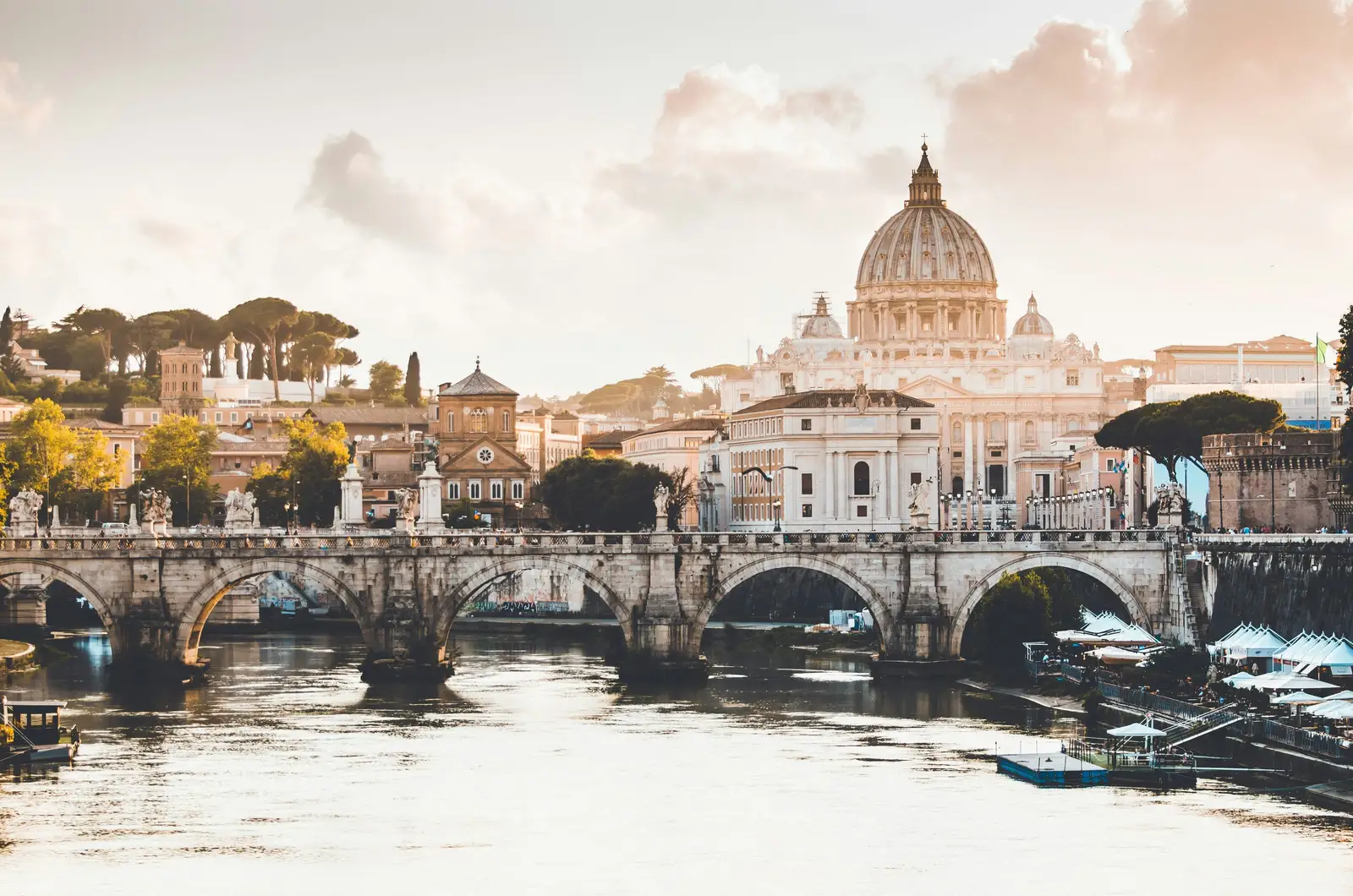
What a Rome Wedding Costs
A Rome wedding runs €100,000 to €450,000 all-in for 40 or 80 guests, and from €150,000 at 150. Catering runs from just over €130 to €300 a head before drinks. Magic Day weddings in Rome start from €100,000.
Here is what a wedding at each venue with a page of its own starts from, all-in, and what we recommend budgeting there:
- La Posta Vecchia: from €350,000, recommended €450,000
- Villa Miani, Villa Aurelia, Castello di Torcrescenza, Castello Odescalchi di Bracciano, Castello Brancaccio, Castello della Castelluccia, Borgo di Tragliata and Villa Clara: from €150,000, recommended €250,000
- Casale Doria Pamphilj: from €100,000, recommended €150,000
Most of them start from €150,000, with €250,000 recommended, and the spread either side is not imprecision.
Rome holds a villa that seats 550 and a house that seats thirty. Those are not the same product at different prices; they are different weddings, and a couple who has averaged two Rome prices has a number that describes neither of them.
The useful split is city against outside it.
A wedding inside Rome is a city wedding with everything that implies: a venue on a street inside a restricted traffic zone, no yard to park a lorry in, a delivery window, and labour rather than logistics as the cost driver. What you get back is that guests need nothing. Rome has tens of thousands of hotel rooms, everything is twenty minutes from everything, and there is no transfer plan worth the name.
A wedding outside the city is the opposite, and it prices like a countryside wedding: more space, more freedom, and coaches at both ends of the night, unless the estate sleeps the wedding itself, as Borgo di Tragliata and Casale Doria Pamphilj do.
Against the rest of Italy, Rome sits below Venice and roughly level with Florence for a comparable property. What it has that neither of them does is scale, and scale here is cheaper than it is anywhere else in the country simply because the rooms exist.
Wedding Planner Rome
Magic Day has been established in Rome at 5 Via dei Luceri since 2011.
Magic Day has planned weddings across 11 countries since 2008, and Rome is the city where the smallest room decides the largest wedding. A wedding planner in Rome starts with the Sala Rossa calendar, because for a wedding inside the city a legal ceremony seating twenty on a weekend morning is not a detail to arrange later; it is the fixed point everything else is built around.
What a venue’s hire covers here divides three ways. The hotels and most of the estates outside the city come with a kitchen and a staff: La Posta Vecchia, Castello Brancaccio, Castello della Castelluccia, Borgo di Tragliata and Casale Doria Pamphilj all cater from their own kitchens, and so does the house that runs Villa Miani. Villa Aurelia and Castello di Torcrescenza take a caterer from their own lists. Castello Odescalchi di Bracciano and Villa Clara come with the building, and everything else is brought in, which in the centre means through a door on a street inside a restricted traffic zone, on a permit, carried by hand because there is no back-of-house.
Then the question this page exists to raise, which is whether you need the split day at all. Castello Brancaccio, Borgo di Tragliata and Casale Doria Pamphilj sit under comuni that marry couples on site, so the legal wedding and the one everybody watches are the same moment. A Rome wedding planner who puts that on the table first is worth the fee before doing anything else.
And then the ordinary Italian administration, sequential as always: a nulla osta from your embassy, sworn translations, apostilles, an interpreter, and three to six months of it with each step waiting on the one before.
Tell us the guest count and the month, and we will tell you whether your wedding belongs on a hill, in the centre, in a castle park at the city’s edge or outside it entirely. In Rome those are four different weddings and the choice is made early.
Rome Wedding Venues
Thirteen properties, described briefly on purpose. Ten have pages of their own, where the capacity by space, the hire and what it includes are set out in full, so here they get a sentence or two each. They run from the hills to the centre, out to the castle parks at the city’s edge, and beyond it.
Accommodation divides them more than size does.
Six of the thirteen sleep nobody but, at most, the couple. In Venice or on the Italian lakes that would be the defining problem of the wedding. In Rome it barely registers, because the city has more hotel rooms than most countries and your guests can stay where they like at a price they choose, twenty minutes from anything. Outside the city the estates mostly sleep the wedding themselves.
Villa Miani
A villa on Monte Mario, the highest hill in Rome, with the whole city laid out below its lawn and Saint Peter’s dome in the middle of it. The Salone delle Feste seats 550 and the patio 500 outdoors.
Villa Aurelia
A 17th-century villa at the top of the Gianicolo, owned by the American Academy in Rome since 1909, in gardens looking east across the rooftops. The Secret Garden seats 450 and the Sala Aurelia 180 under a roof.
Casina Valadier
A neoclassical pavilion of 1816 on the Pincio, above Piazza del Popolo, in the Villa Borghese gardens. The Giardino dell’Aurora takes 200 for dinner and up to 500 with a stage, and the smaller Fontana terrace seats 60.
Palazzo Brancaccio
The last aristocratic palace built in Rome, finished in 1880 near Santa Maria Maggiore, with frescoed halls and a garden behind it. The Grand Hall seats 290 and the whole palace reaches about 800 across ten rooms.
Villa Agrippina Gran Meliá
A 5-star hotel on the Janiculum slope near the Vatican, built on the site of Agrippina’s gardens, with 110 rooms and a pool in the grounds. Its event spaces take up to 80, so a wedding of that size sleeps in the hotel it dines in.
Villa Clara
A brick and stone villa of 1929 in Pinciano, a few streets from Villa Borghese, restored by Jacques Garcia and let whole with four suites. It seats thirty, in the dining room or on the roof terrace.
Castello di Torcrescenza
A medieval castle in its own park at Grottarossa, on the northern edge of the city and inside it, 18 minutes from Piazza Venezia. Its two glass-roofed cloisters seat 300 each, so the rain plan is the wedding itself.
Castello della Castelluccia
A castle of the twelfth and thirteenth centuries at La Storta, on the north-west edge of Rome beside the Veio park, now a hotel whose 21 rooms sleep 50. It seats 180 for dinner, in a garden laid over the old tufa caves.
Castello Odescalchi di Bracciano
A 15th-century Orsini castle above Lake Bracciano, an hour north of the city, owned by the Odescalchi family since 1696. Dinner is priced to 300 in the Court of Honour, and the castle holds 1,000 across its courts and gardens.
La Posta Vecchia
A 17th-century villa on the sea at Palo Laziale, built over a Roman villa and restored by J. Paul Getty as his own house, now a hotel taken whole. Its terraces and garden take 160, and its 21 rooms sleep 45.
Borgo di Tragliata
A fortified hamlet on a spur of tufa in the comune of Fiumicino, 42 minutes west of the centre, with its own Baroque church and an organic farm around it. The Massello seats 250, and 200 guests sleep on the estate.
Casale Doria Pamphilj
The old granary of the Doria Pamphilj estate at Testa di Lepre, in the farmland between Rome and the sea, its wings wrapped round a rose garden. The garden seats 120 for dinner and the rooms sleep 80.
Castello Brancaccio
A tenth-century castle above San Gregorio da Sassola, beyond Tivoli and 51 minutes east of Piazza Venezia, with frescoed halls and a small hotel inside. It takes 250, and 66 guests sleep within a short walk. It shares nothing with Palazzo Brancaccio in the centre but the princes’ name.
Venue guides in Rome
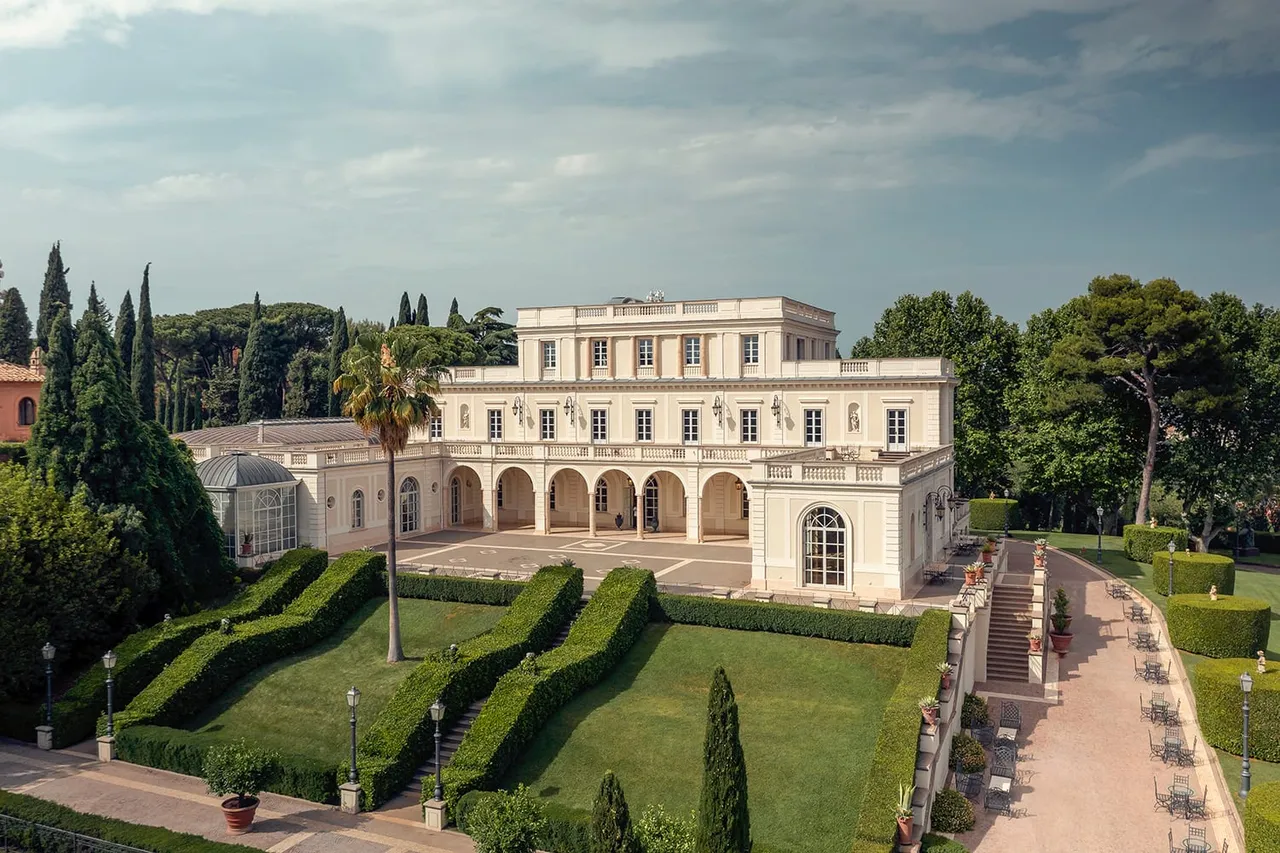 Villa Miani
- Maximum capacity
- 550 guests
- Starting budget
- €150,000+
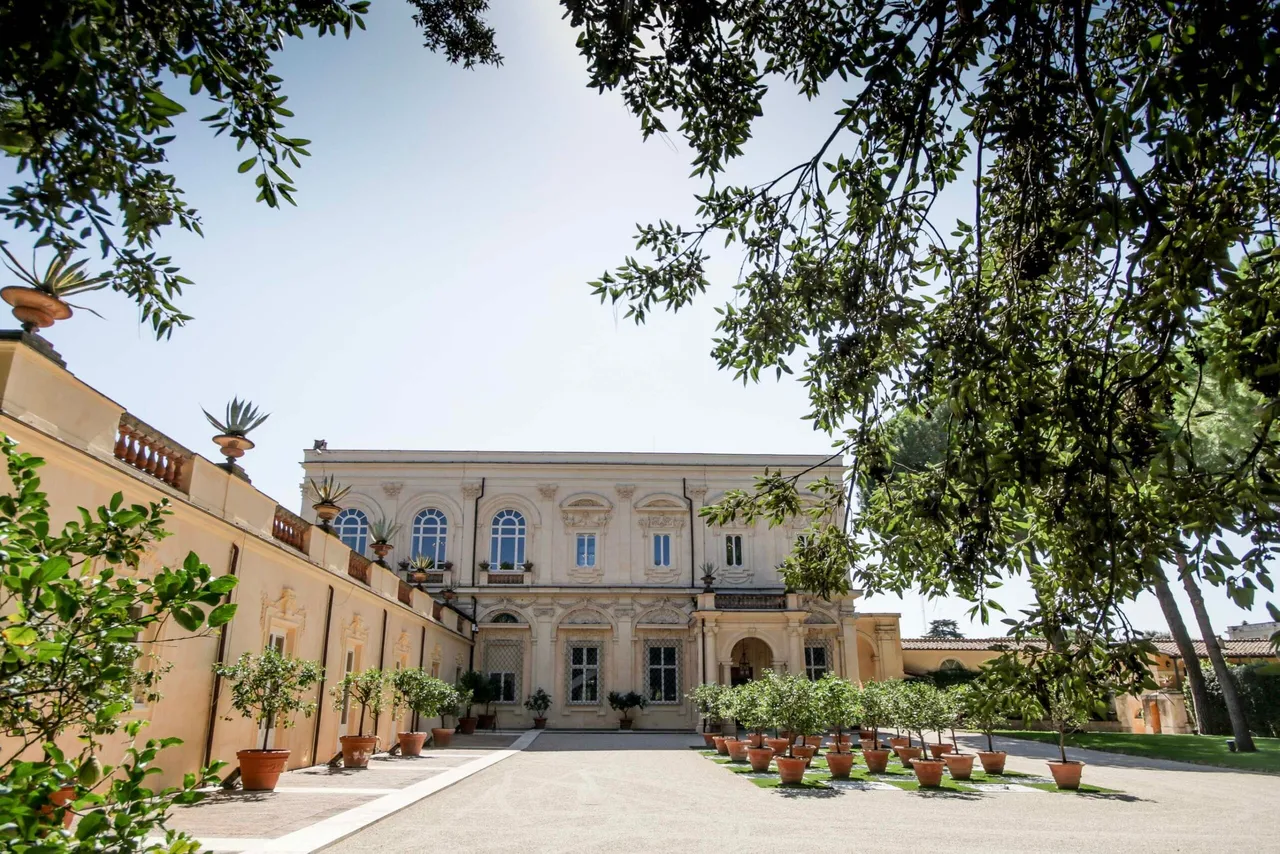 Villa Aurelia
- Maximum capacity
- 450 guests
- Starting budget
- €150,000+
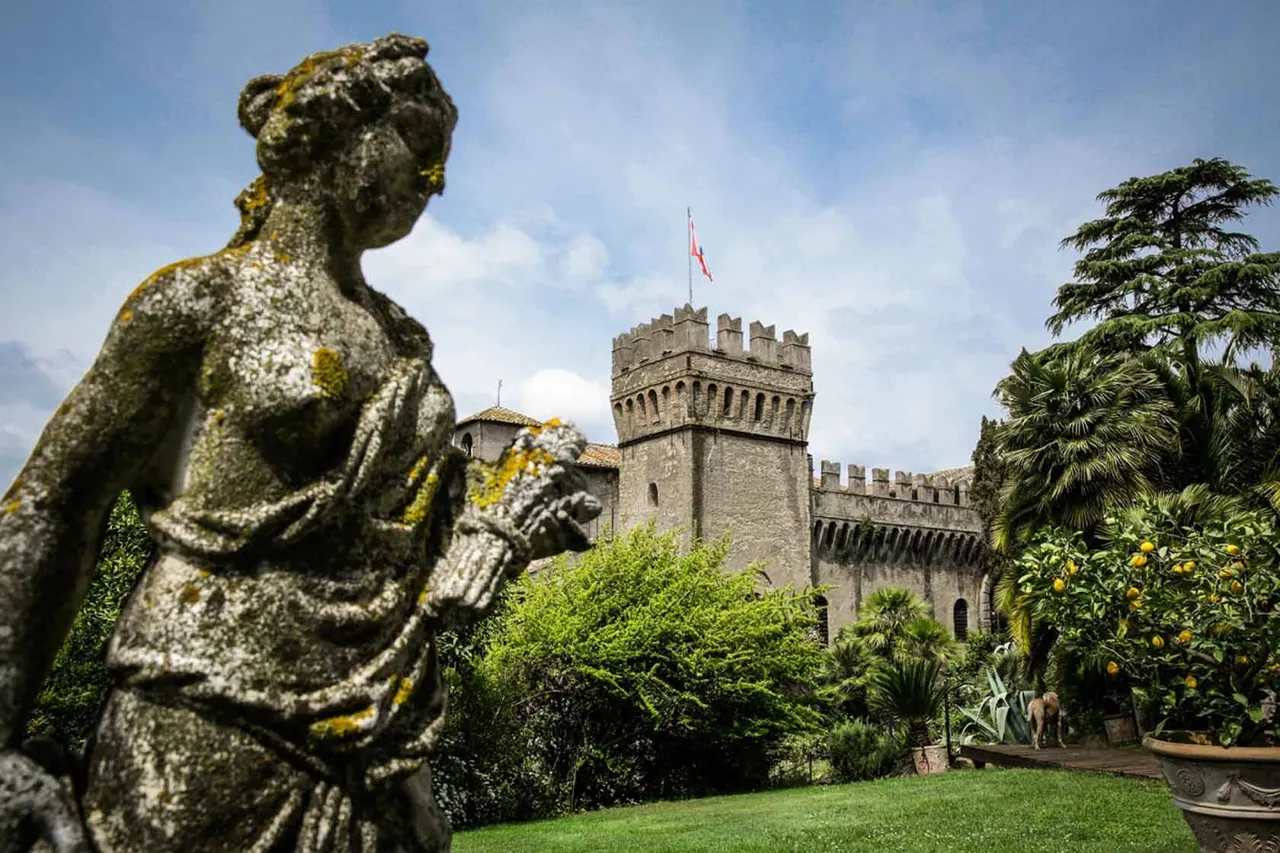 Castello di Torcrescenza
- Maximum capacity
- 308 guests
- Starting budget
- €150,000+
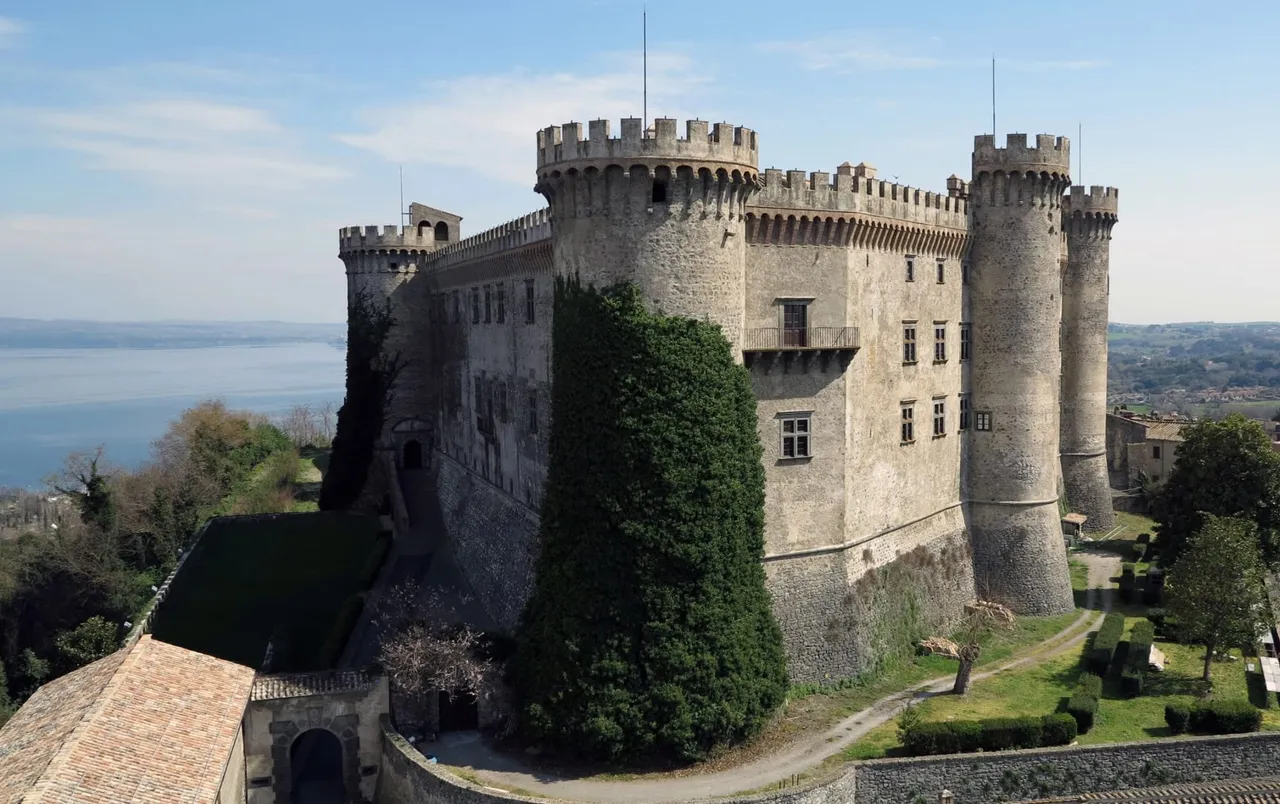 Castello Odescalchi di Bracciano
- Maximum capacity
- 300 guests
- Starting budget
- €150,000+
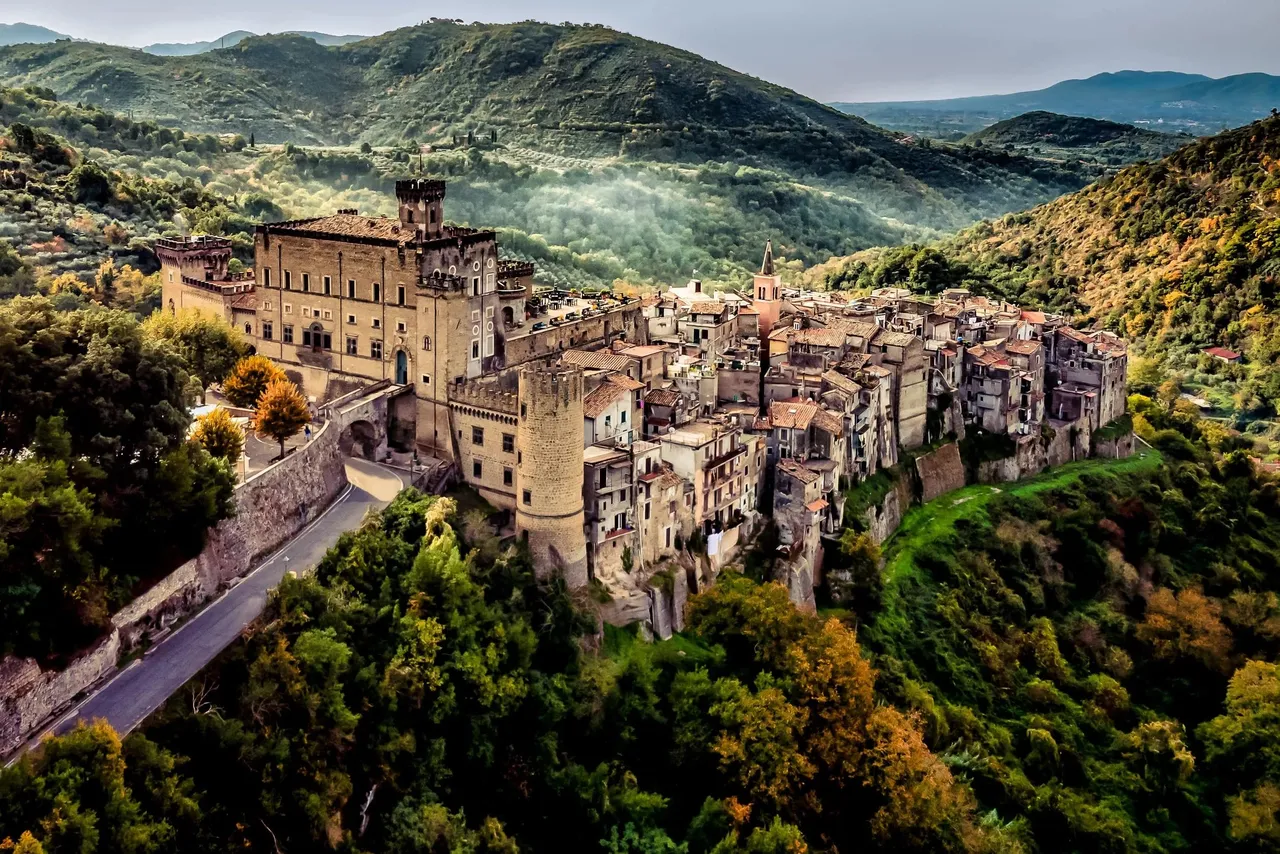 Castello Brancaccio
- Maximum capacity
- 250 guests
- Starting budget
- €150,000+
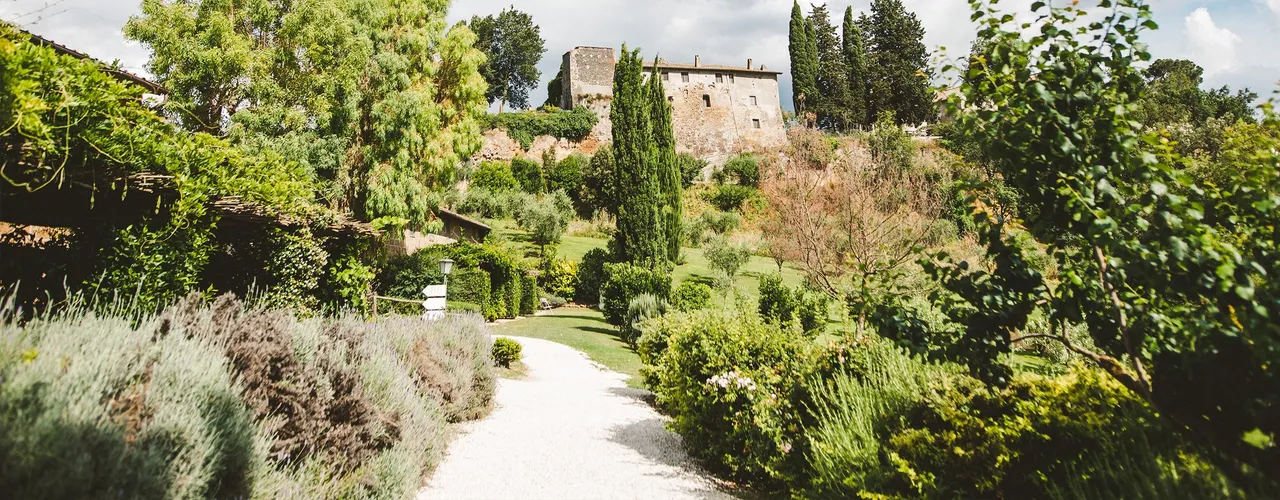 Borgo di Tragliata
- Maximum capacity
- 250 guests
- Starting budget
- €150,000+
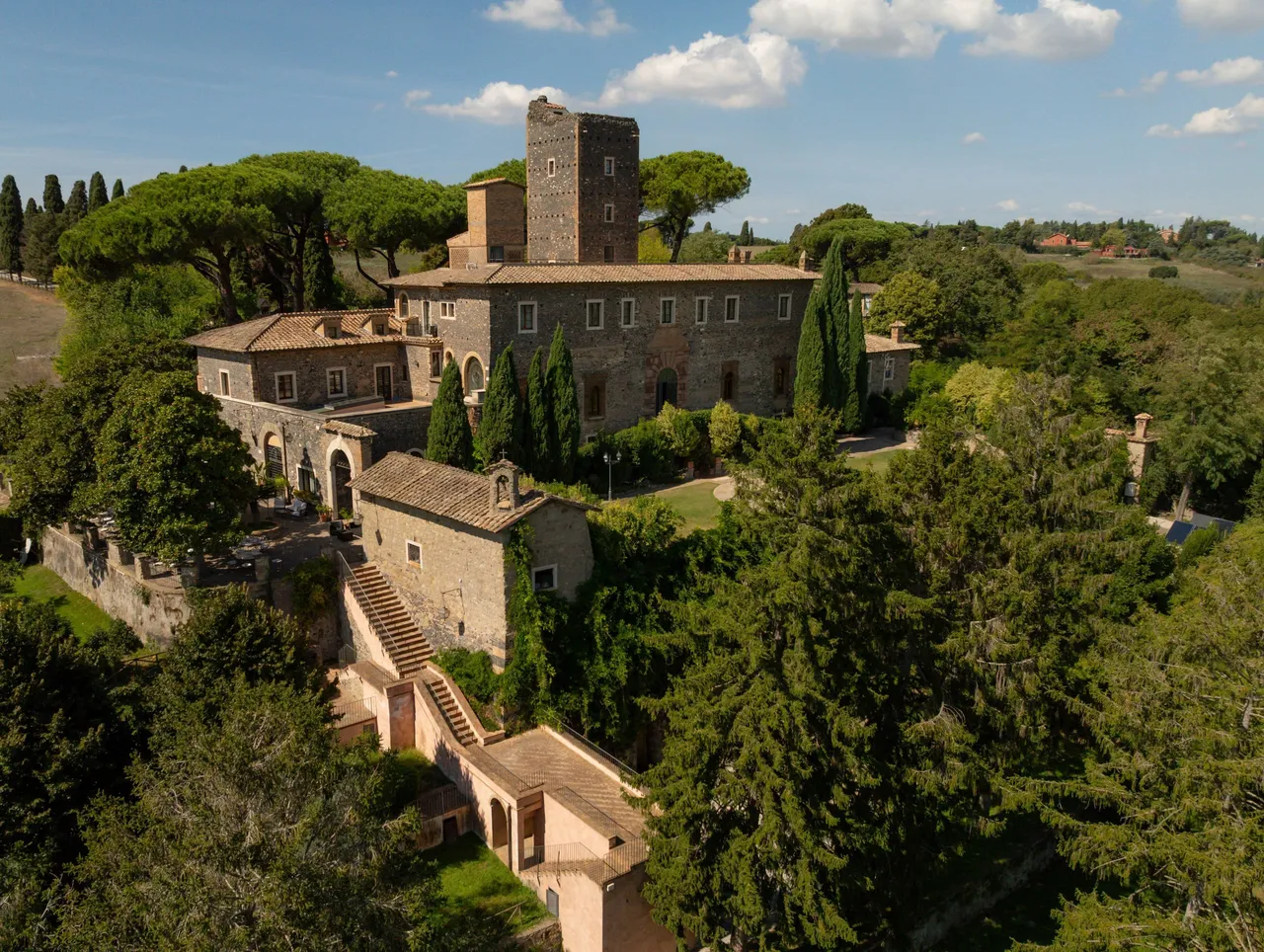 Castello della Castelluccia
- Maximum capacity
- 180 guests
- Starting budget
- €150,000+
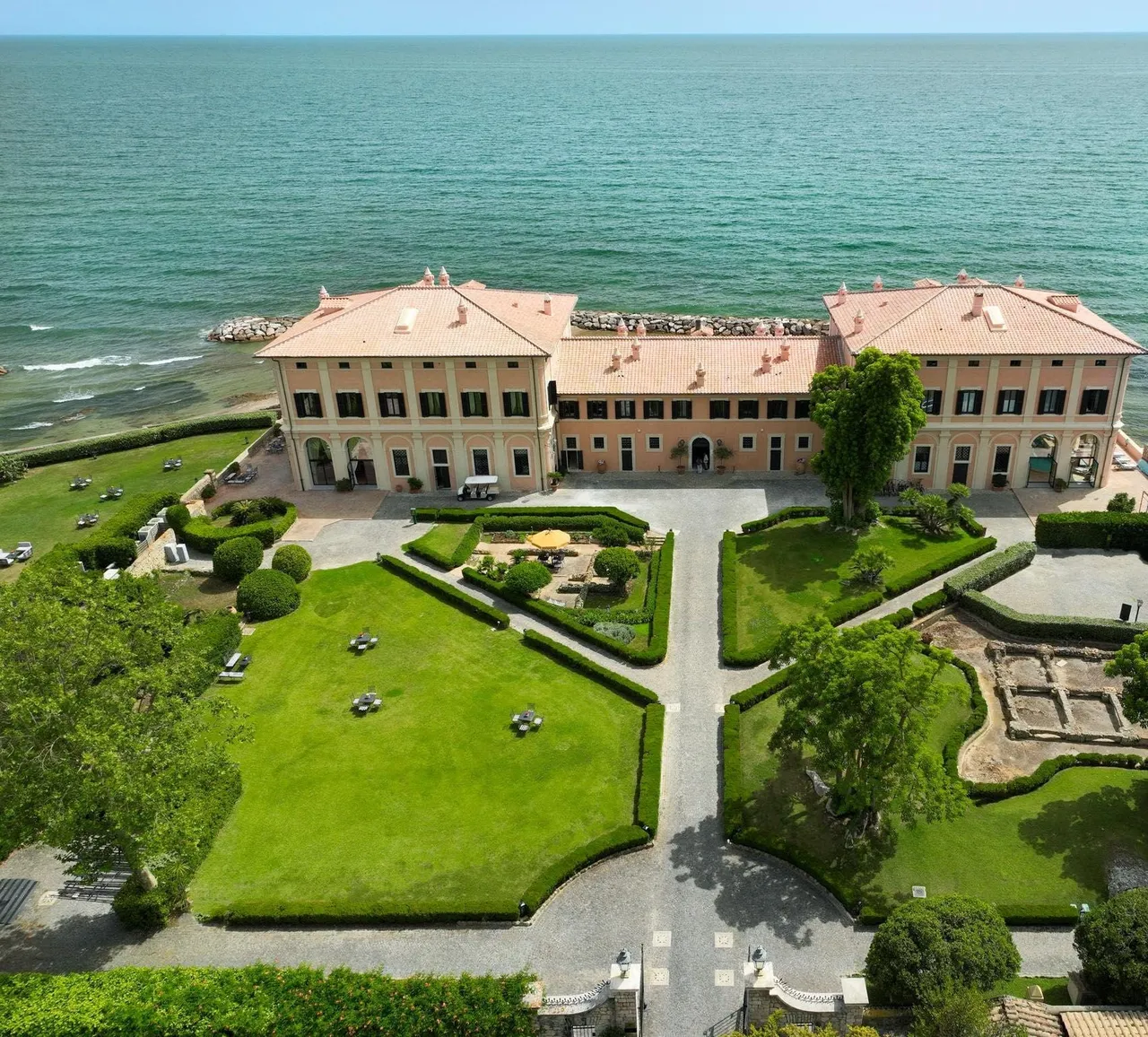 La Posta Vecchia
- Maximum capacity
- 160 guests
- Starting budget
- €350,000+
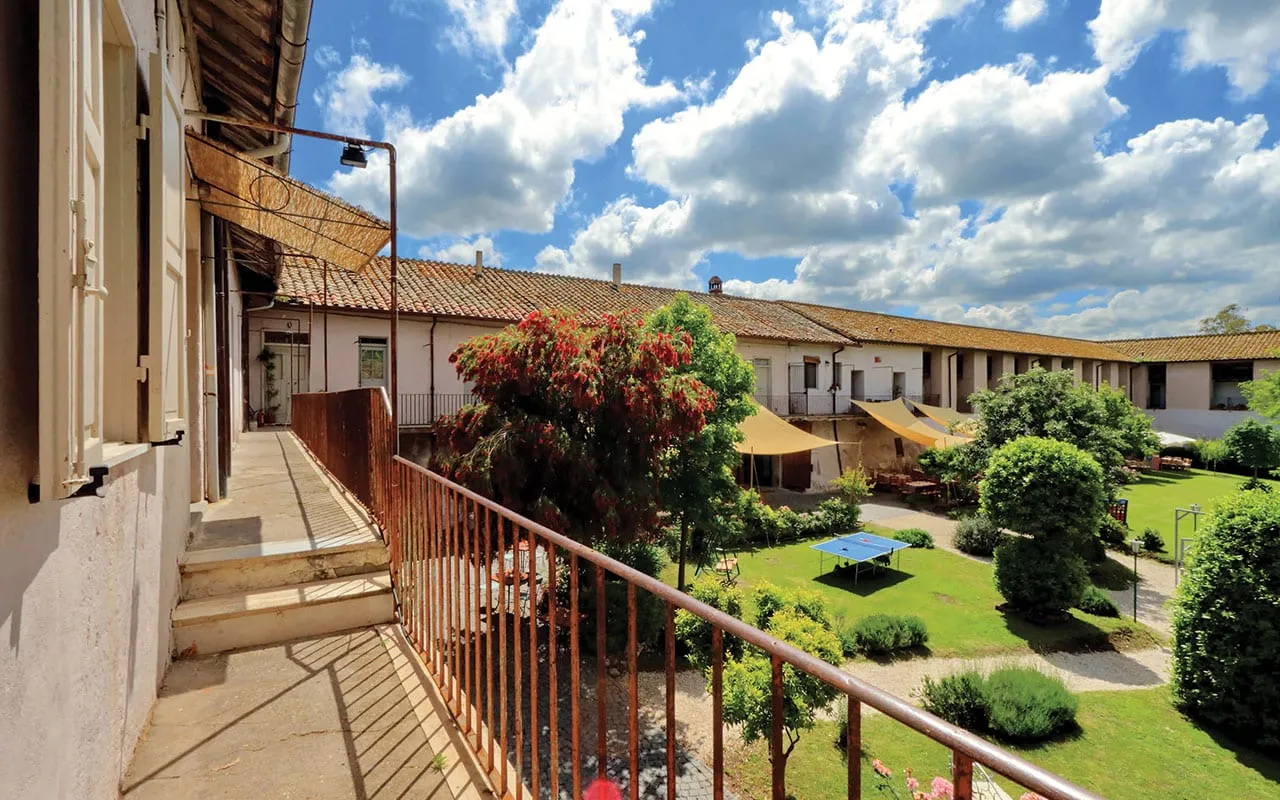 Casale Doria Pamphilj
- Maximum capacity
- 120 guests
- Starting budget
- €100,000+
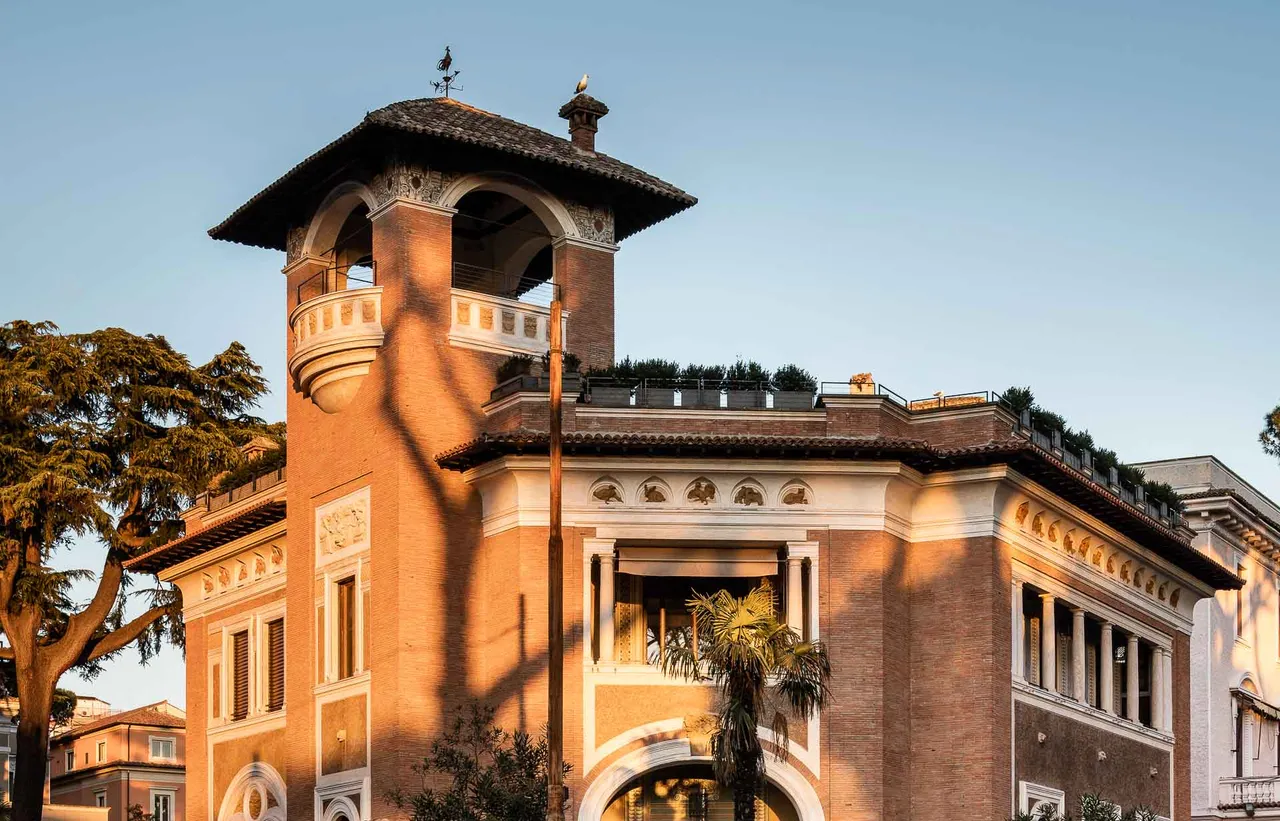 Villa Clara
- Maximum capacity
- 30 guests
- Starting budget
- €150,000+
Where to Marry in Rome
Four positions, and they are further apart in practice than the map suggests.
The hills are where the views are, and the reason is simple: from inside Rome you cannot see Rome. Villa Miani on Monte Mario, Villa Aurelia on the Gianicolo and Casina Valadier on the Pincio all exist to look back down at the city, and that view is the single thing a Rome wedding can offer that no other Italian city can.
The centre is where Palazzo Brancaccio, Villa Agrippina and Villa Clara sit, along with the hotels your guests will stay in. A wedding here is walkable, and it inherits the city’s restrictions: the traffic zone, the delivery windows and a residential street outside the door.
The edge of the city is still Rome, and it feels like the countryside. Castello di Torcrescenza stands in its own park at Grottarossa, 18 minutes north of Piazza Venezia, and Castello della Castelluccia among fields at La Storta, 28 minutes out. Both are inside the comune, so the legal ceremony is still the Campidoglio’s, and both let the night run later than the hills do.
Outside the city is the other kind of wedding altogether. Castello Odescalchi di Bracciano is an hour north above its lake, La Posta Vecchia 49 minutes west on the coast, Borgo di Tragliata and Casale Doria Pamphilj in the farmland toward the airport, and Castello Brancaccio 51 minutes east beyond Tivoli. Each has space, grounds and its own comune, four of the five have rooms, and at Borgo di Tragliata and Casale Doria Pamphilj the whole wedding can sleep on the estate.
That last point is worth more than it appears, and the legal section explains why.
One practical note about Rome that surprises people. Traffic here is worse than the distances imply and it does not follow a rush-hour pattern you can plan around, so a transfer quoted at twenty minutes is a real forty on a Friday evening. We build in the difference rather than hoping for it.
Can You Legally Marry in Rome?
Yes, and the room is a great deal smaller than anyone expects. This is the fact that shapes a Roman wedding day and almost no venue mentions it.
Rome performs legally binding civil ceremonies in three places, and the famous one is the Sala Rossa in the Campidoglio, the Michelangelo-designed complex on the Capitoline Hill. It is a formal room hung with red damask, it is in the seat of Rome’s city government, and it seats twenty people, with about seventy standing.
The other two are the Caracalla hall beside the ancient baths and Villa Lais.
The Campidoglio runs Friday, Saturday and Sunday mornings with some afternoon slots, which is a narrow window against Florence’s two Thursdays a month but a much smaller room than Florence’s 240.
So the Roman shape is fixed by that number. The legal ceremony is a small private event with parents and witnesses on a weekend morning, and the wedding everybody attends is a symbolic ceremony at the venue afterwards. That is the same arrangement as Venice and France, arrived at here because of a room’s dimensions rather than a rule about residency.
Now the part that changes the day. Five of these venues are not in Rome at all.
Each sits in a comune of its own, each comune decides where it will marry a couple, and three of them come to the venue. Castello Brancaccio is an officially recognised wedding venue of San Gregorio da Sassola, and the legal ceremony can be held in any of its rooms or on its terraces. The comune of Fiumicino marries couples in the gardens at Borgo di Tragliata and at Casale Doria Pamphilj. At those three the split day disappears, and everybody watches the wedding that legally is one.
At the other two the civil ceremony stays with the comune, a few minutes from the venue. The offices of Bracciano are a short walk from the gate of Castello Odescalchi di Bracciano, and the Duomo di Santo Stefano, joined to the castle by a gallery, takes a Catholic ceremony. At La Posta Vecchia the ceremony on the terrace is symbolic, and we hold the civil one at the comune of Ladispoli, eleven minutes away, the morning before.
Castello di Torcrescenza and Castello della Castelluccia look like the countryside and are not: both are inside the comune of Rome, so their legal ceremony is the Campidoglio’s.
We weigh that before comparing prices, because it is worth more than most of what a venue’s hire includes.
The paperwork is the standard Italian set either way: a nulla osta from your own embassy stating there is no impediment, passports, birth certificates, sworn translations into Italian, and apostilles where documents came from outside the EU. It realistically takes three to six months, and an interpreter is required.
Planning a wedding in Rome?
INQUIREMusic Curfew and Noise in Rome
Set venue by venue, and in Rome the venue’s own rule is the one that shapes the night.
On the hills the gardens have apartment blocks below them, and sound travelling downhill over a city carries further than sound crossing a field. Villa Aurelia ends outdoor music at half past ten and carries the party on in the Sala Aurelia until one, or two at the latest. Villa Miani ends it at eleven, with the volume down from half past ten, and dances indoors until two.
That is the shape the view gives the evening, and we plan dinner outside and the dancing inside from the first draft.
In the centre, Villa Clara stands on a residential street in Pinciano, where Rome’s municipal noise rules govern, so the music comes indoors for the late part of the night.
The castles at the city’s edge run differently even inside the comune. Castello di Torcrescenza, in its own park at Grottarossa, places no restriction on music. Castello della Castelluccia keeps it in the garden until midnight, then brings it inside at a lower volume.
Outside the city the venues stand in their own grounds rather than among neighbours: Castello Brancaccio has no sound curfew and runs a wedding day until four in the morning. Castello Odescalchi di Bracciano sets no music curfew, and its hire ends at one with later hours bought by the hour. La Posta Vecchia taken whole sets no restriction on live music. At Borgo di Tragliata and Casale Doria Pamphilj the party moves indoors at half past ten and runs until the bar closes at three.
So for a wedding that wants to run late, the geography points one way, off the hills and into a castle park or the countryside.
We build the running order around each venue’s hour before the date is held, buy the late hours at signature rather than on the night, and plan the garden and the hall as two halves of the evening wherever the venue treats them differently.
Getting Guests to Rome
This is the easiest arrival on the Italian side of this site.
Fiumicino is the largest airport in Italy, with direct flights from a long list of US cities and dense European connections in every direction. It is 33 to 48 minutes from the venues in the city, and closer still to the four west of it: Castello della Castelluccia is 28 minutes away, Borgo di Tragliata 29, La Posta Vecchia 33 and Casale Doria Pamphilj 34. Castello Odescalchi di Bracciano is 46 minutes from it, and Castello Brancaccio, east of the city, is just over an hour from Fiumicino and 47 minutes from Ciampino.
For an American guest list Rome sits alongside Milan and Venice as one of the three straightforward answers in Italy, and ahead of both on the number of cities served.
Ciampino takes low-cost European traffic and sits south-east of the city, useful for guests coming from within Europe on a budget.
Once here, Rome is a city with public transport, taxis and hotels at every level, so guests can be left to themselves in a way they cannot on the lakes or in Venice.
The exception is the traffic, which is genuinely bad and unpredictable. A coach from a central hotel up to Monte Mario is not a long distance and it is not a short journey either on a Friday evening. For a wedding outside the city the drive takes longer than the map says in both directions, and we put the buffer in the schedule rather than in the hope.
Season, Weather and August in Rome
April to October, and Rome’s August deserves its own warning.
The city is hot in a way that is hard to convey. Temperatures routinely pass 35 degrees, the stone holds heat well past midnight, and there is no sea breeze to speak of even though the coast is thirty minutes away. That alone would make August difficult.
What makes it worse is that Rome closes.
Around Ferragosto in mid-August, Romans leave the city in numbers, and a large share of the restaurants, bars and small suppliers shut for two or three weeks. The city that remains is visitors and heat, and the network a wedding depends on is on holiday. It can be worked around and it is not worth working around.
May, June and late September are the months we push. Late September in particular gives you warm evenings, a working city and the light that makes the stone look like it is lit from inside.
April and October are both beautiful and both carry real rain risk, which in Rome arrives as short heavy storms rather than steady rain. The indoor capacity of your venue matters at those edges: Palazzo Brancaccio and Villa Miani both have real rooms, Castello di Torcrescenza’s two cloisters are roofed in glass, and a garden dinner in October needs its marquee priced from the start.
Where Guests Stay in Rome
Six of the thirteen venues on this page sleep nobody but, at most, the couple, and in the city it hardly matters.
Rome has hotel stock at a scale nothing else in Italy approaches, at every price point, concentrated in a centre that is walkable and served by taxis at all hours. A guest list of 150 can be spread across five hotels at five price levels within fifteen minutes of each other, and every guest can choose what they spend rather than being told.
That is a real advantage over almost every destination on this site, and it is worth setting against what the venues themselves cost.
Seven venues do sleep people, and most of them are outside the centre. Borgo di Tragliata sleeps 200 across 75 rooms and 16 apartments, the whole wedding on one estate, and Casale Doria Pamphilj, ten minutes from it, sleeps 80. Castello Brancaccio sleeps 66 within a short walk of the castle and Castello della Castelluccia 50 in its 21 rooms. La Posta Vecchia’s 21 rooms sleep 45, which covers the wedding party and the families, with the rest along the coast or back in the city.
In the city, Villa Agrippina has 110 rooms, enough to put a whole wedding under one roof near the Vatican, and Villa Clara’s four suites sleep the couple and their parents.
Castello Odescalchi di Bracciano is the one to plan carefully. An hour north with no bedrooms, a large wedding there needs coaches in both directions, or rooms around the lake at Trevignano and Anguillara as well as in Bracciano town, which is small.
We take the venue’s rooms where they exist, block three hotels in the centre at different tiers, and publish one guest page with journey times that account for Roman traffic rather than for Roman distances.
Magic Day Insights
The room the city marries you in seats twenty. For a wedding inside Rome we plan the legal ceremony as a small separate event on a Friday, Saturday or Sunday morning, and design the day everyone attends around it.
Three venues outside the city marry you on site. Castello Brancaccio, Borgo di Tragliata and Casale Doria Pamphilj sit under comuni that come to the venue, and choosing one removes the split day entirely. It is the highest-value fact on this page, and we weigh it before anything is designed.
From inside Rome you cannot see Rome. If the view is what you want, you are choosing a hill, and you are choosing the earlier outdoor music hour that comes with a residential hillside.
Rome’s scale is genuinely cheap. A 550-seat ballroom, a 450-seat garden and two 300-seat cloisters under glass, all within twenty minutes of the centre. For a large wedding, Rome is the answer rather than a compromise.
Beds are not the problem here. The city has tens of thousands of hotel rooms, and outside it Borgo di Tragliata sleeps 200 on its own estate. The planning effort goes on transport instead.
Roman traffic, not Roman distances. Twenty minutes on a map is forty on a Friday. Every transfer on the day needs the real number.
August is the month we steer away from. It is not only the heat. The city empties, the restaurants close and half your supplier list is away.
October has rooms, not gardens. The rain arrives as storms. If the date is late, the venue needs a hall you would actually want to be in.
Common Questions
How much does a Rome wedding cost?
A Rome wedding runs €100,000 to €450,000 all-in for 40 or 80 guests, and from €150,000 at 150. Catering runs from just over €130 to €300 a head. At the venues with pages of their own a wedding starts from €100,000 at Casale Doria Pamphilj, with €150,000 recommended, from €150,000 at Villa Miani or Villa Aurelia, with €250,000 recommended, and from €350,000 at La Posta Vecchia, with €450,000 recommended. Magic Day weddings in Rome start from €100,000.
Can you legally get married in Rome?
Yes, at the comune, and the room is smaller than couples expect. Rome performs legally binding civil ceremonies at the Sala Rossa in the Campidoglio, which seats 20 with about 70 standing, and at the Caracalla hall and Villa Lais. The Campidoglio runs Friday, Saturday and Sunday mornings with some afternoon slots. You need a nulla osta from your embassy, sworn translations and apostilles. Most couples marrying in the city do it there with close family and hold a symbolic ceremony at the venue. Outside the city, Castello Brancaccio, Borgo di Tragliata and Casale Doria Pamphilj hold the legal ceremony on site, under their own comuni.
What are the best wedding venues in Rome?
Thirteen we argue for, in four positions. On the hills, Villa Miani on Monte Mario seats 550 and Villa Aurelia on the Gianicolo 450 in its Secret Garden. Palazzo Brancaccio seats 290 in the centre. At the city's edge, Castello di Torcrescenza seats 300 under glass-roofed cloisters. Outside it, Castello Odescalchi di Bracciano stands above its lake, La Posta Vecchia is a Getty villa on the coast with 21 rooms, and Borgo di Tragliata sleeps 200 on its own estate.
What time does music have to stop at a Rome wedding?
It depends on the venue. On the hills, where the gardens look down over apartment blocks, outdoor music ends at half past ten at Villa Aurelia and at eleven at Villa Miani, and the party carries on indoors. Castello della Castelluccia takes the music inside at midnight. Castello di Torcrescenza, inside the city in its own park, places no restriction on music, and nor do Castello Brancaccio, Castello Odescalchi di Bracciano or La Posta Vecchia taken whole. We build the running order around each venue's hour and buy any late hours at signature.
How many guests can you have at a Rome wedding?
Up to 550 seated. Villa Miani seats 550 in the Salone delle Feste and takes 1,500 standing, Villa Aurelia seats 450 in its Secret Garden, and Castello Odescalchi di Bracciano holds 1,000 across its courts and gardens. Palazzo Brancaccio takes about 800 across the whole palace. At the other end, Villa Clara is a house for thirty. Inside the city the constraint is the Sala Rossa where Rome marries you, which seats 20.
Which airport is best for a Rome wedding?
Fiumicino, which is the largest airport in Italy and carries direct flights from a long list of US cities as well as dense European connections. It is 33 to 48 minutes from the venues in the city, and about half an hour from the four to the west: Castello della Castelluccia, Borgo di Tragliata, La Posta Vecchia and Casale Doria Pamphilj. Ciampino handles low-cost European traffic and is closer to the south and east of the city. For an American guest list Rome is one of the three easiest destinations on this site.
When is the best time to get married in Rome?
May, June and late September. The season runs April to October, and August is the month to avoid for a reason beyond heat: Rome closes. Romans leave for Ferragosto, restaurants shut for two or three weeks, and the city belongs to visitors in temperatures that regularly pass 35 degrees. April and October are lovely and carry real rain risk.
Do you need a wedding planner in Rome?
Yes, and the first thing a planner earns here is the calendar. The Sala Rossa runs Friday to Sunday mornings and seats 20, so inside the city the legal ceremony is a separate event that has to be booked and built around. There are also venues in a restricted traffic zone with no back-of-house, a nulla osta that takes three to six months, and five properties outside the city under four other comuni, three of which marry couples on site. Magic Day has planned weddings across 11 countries since 2008.
Planning a wedding in Rome?
Thank you — we have it.
One of our planners will be in touch personally, usually within one working day.