
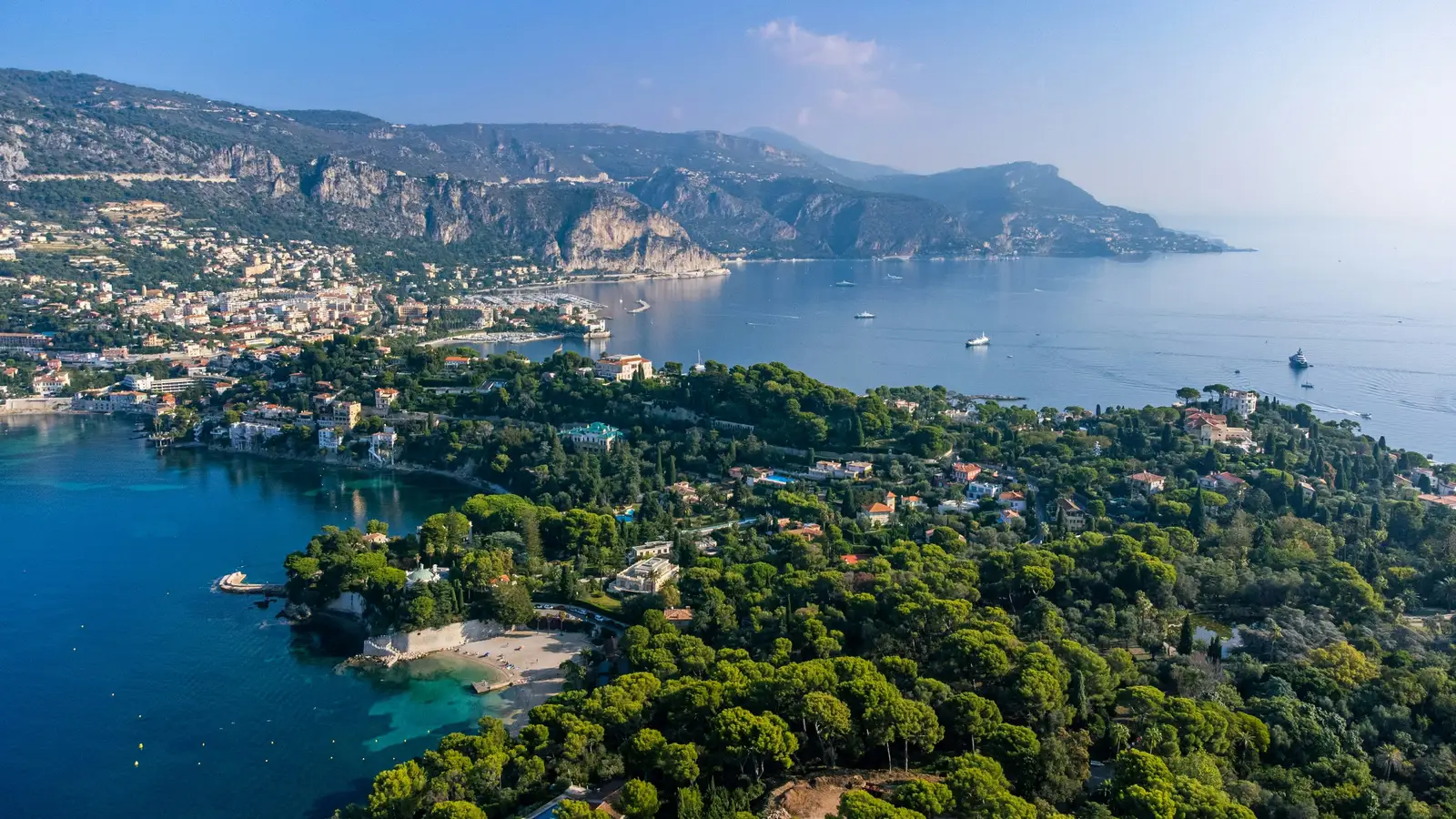
What a French Riviera Wedding Costs
A French Riviera wedding runs €100,000 to €700,000 all-in for 40 guests, €100,000 to €3,500,000 for 80, and from €250,000 at 150. Catering is €200 to €500 a head before drinks. Magic Day weddings on the French Riviera start from €100,000.
The spread at any one guest count is wider here than anywhere else we work, and it is not a question of taste. A Palace hotel on Cap d’Antibes and a private estate in the hills behind Le Cannet are two different purchases wearing the same postcode.
At a hotel, the hire buys rooms, a kitchen, furniture, staff and power. At a private estate it buys the ground.
Everything that makes a wedding happen at an estate arrives on a truck and leaves on one: kitchens, generators, tables, chairs, glassware, loos, lighting, and the people to run all of it. That is why an estate quoted at a third of a hotel’s hire can land within €50,000 of the same final number, and why comparing hire figures across the two kinds of property tells you almost nothing.
So here is where a wedding lands, all-in, at the thirteen properties on this page with a guide of their own, and the figure each starts from:
- Hôtel du Cap-Eden-Roc: from €1.8 million with the hotel taken whole, and near €250,000 for 50 to 60 guests without a buyout, from €200,000
- Château de la Croix des Gardes: near €1.5 million, from €1.3 million
- Cap Estel: near €1.2 million, from €650,000
- Château Saint-Martin: near €1 million, from €600,000
- Villa Ephrussi de Rothschild: near €550,000, from €450,000
- Grand-Hôtel du Cap-Ferrat: near €500,000 for up to 120 guests, from €250,000 for a smaller wedding
- Château Saint Jeannet: near €350,000, from €150,000
- Bastide du Roy: near €250,000, from €150,000
- Domaine du Mont Leuze: near €200,000, from €100,000
- Château de la Napoule: near €300,000, from €150,000
- Château Saint Georges: near €200,000, from €120,000
- Château Eza: near €200,000, from €100,000
- Hôtel Belles Rives: near €150,000, from €100,000
Season moves the price less here than on the Saint-Tropez peninsula, because the Riviera works for a longer stretch of the year. What moves it instead is the events calendar, and that is further down this page.
Wedding Planner French Riviera
Magic Day has been established in Nice at 2 Rue Kosma since 2010.
Magic Day has run this coast from an office in Nice since 2010, and the company has planned weddings in Europe since 2008. We work the whole of it, from Cap d’Ail to the Saint-Tropez peninsula, at 40 guests and at 300.
What a venue’s hire covers here varies more than anywhere else we work, and that is the thing to understand before comparing two quotes.
At Hôtel du Cap-Eden-Roc or Château Saint-Martin you get the space, the rooms, a kitchen and the people who run a hotel. At Villa Ephrussi de Rothschild you get nine gardens and a closed gate. At Croix des Gardes, Mont Leuze, Garibondy, Saint Georges or Le Park Mougins you get a key. None of the three kinds gives you someone to plan a wedding, because that is not what any of them is for.
What falls to a French Riviera wedding planner is the same in all three cases and largest in the last. Design, catering from a list you often cannot leave, production, entertainment, accommodation across four hotels, and the transfers that connect them. On this coast it also means the events calendar, the départemental curfew, and the A8 in August.
Being here rather than visiting is most of the value. We see these properties between weddings rather than on a site visit, we know which caterers are on which list this year, and we can put someone in a car to Grasse on a Tuesday when a question needs an answer that a phone call will not settle.
There is a case for a French Riviera wedding planner who has worked the coast rather than the country. The 23h curfew fixes your timeline. The festival weeks decide which Saturdays are usable at all.
The road decides your ceremony time between June and September. Every one of those is easier to design around than to discover in week eleven.
French Riviera Wedding Venues
Fifteen properties between Cap d’Ail and Grasse take a full wedding. They are not versions of one another, and the thing that separates them is not in the photographs.
It is what the hire includes.
Four kinds of property sit on this coast.
A Palace hotel with a kitchen that has fed weddings for a century. A hotel small enough to take whole, so the wedding is the only thing in the building. A museum that closes its gates to the public and hands you nine gardens. And a private estate, where you get a gate code and a view and bring the rest in yourself.
The kind comes first. Then the guest count, then the commune, and only then the one you liked the look of.
A Palace hotel
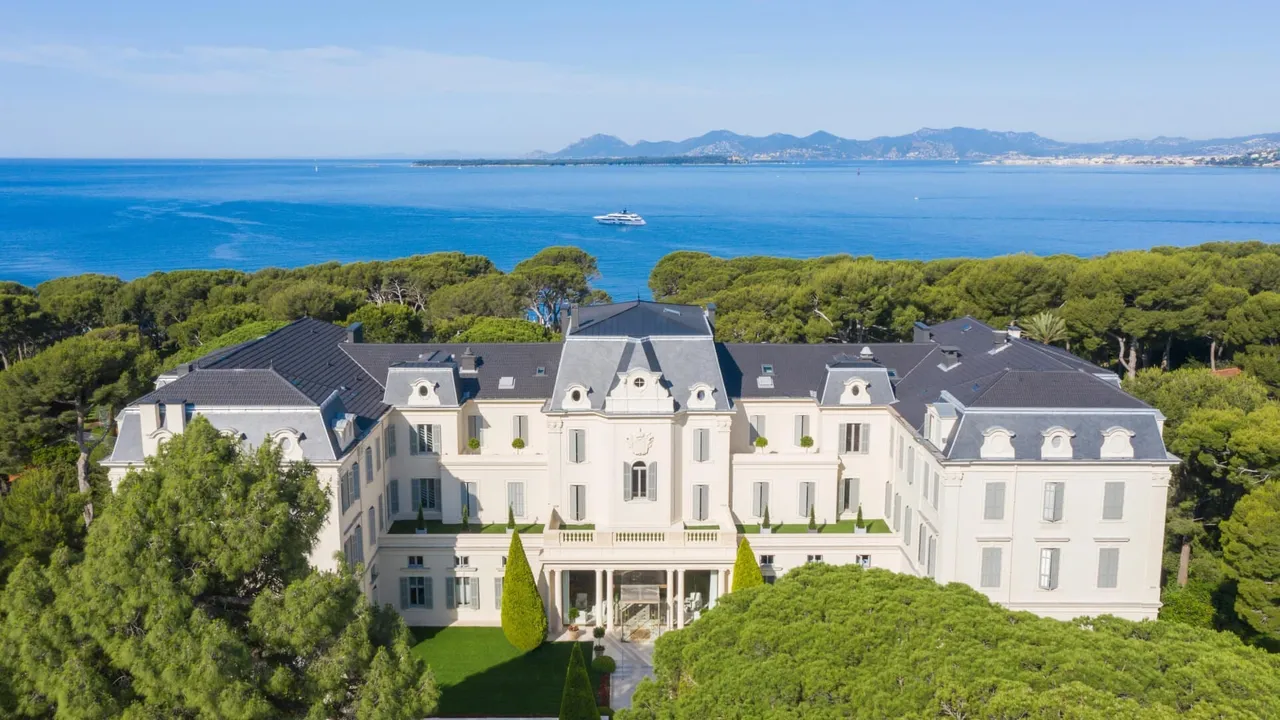
Hôtel du Cap-Eden-Roc runs two hundred metres of allée under umbrella pines, from a rose-coloured villa down to a pavilion on the rocks at the tip of Cap d’Antibes. The Grande Allée takes 450 for a ceremony and the Glasshouse seats 400 for dinner, across 109 keys that a wedding of a hundred or more takes whole. Weddings run in April and from mid-September to mid-October, which makes the date decision here unusually blunt.
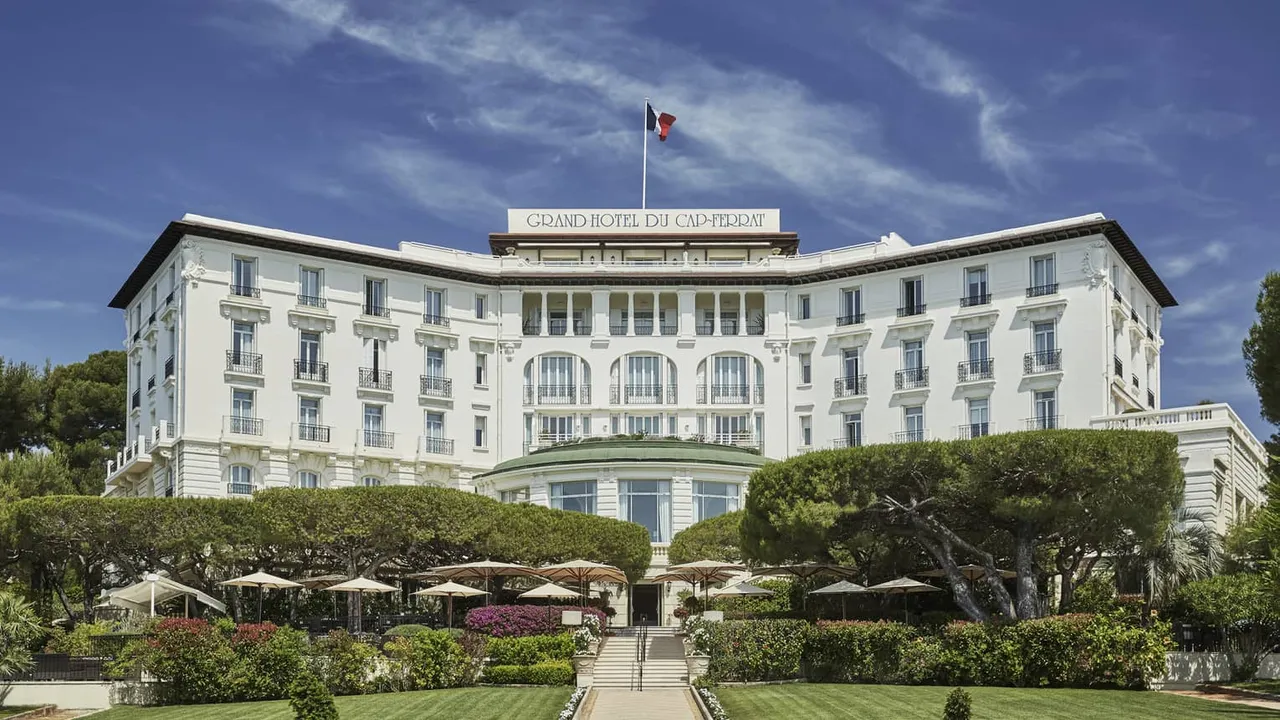
Grand-Hôtel du Cap-Ferrat, a palace of 1908 and a Four Seasons since 2015, has seven hectares running down to the sea and Club Dauphin on the rocks below: the ceremony in the gardens, dinner at the pool club for up to 120, music until two, and 200 on the Central Gardens and Panoramic Terraces with the hotel taken whole.
Château Saint-Martin above Vence was a Roman fortification and then a Templar commandery, and is now an Oetker hotel in nearly fourteen hectares of olive groves. Taken whole it sleeps around a hundred in fifty-two bedrooms, seats 150 under a marquee, and moves the party indoors at half past ten into the Bar Rossini, where the music runs until three.
A hotel small enough to take whole
Cap Estel is a gate on the Basse Corniche and then a drive dropping through palms to two hectares of private peninsula with sea on three sides, twenty-eight rooms sleeping 56 and no neighbours at all. Full hire takes the property for a minimum of three nights, its largest dining room seats 130, and Monaco is fifteen minutes east.
Hôtel Belles Rives at Juan-les-Pins was Scott and Zelda Fitzgerald’s villa in the 1920s, Art Deco on the water with its own beach, its own jetty and a Michelin star upstairs. It is the small end of this page: 60 for a ceremony facing the sea, 70 in the marquee on the sand with a dance floor, and a DJ at 79 decibels who stops at half past twelve.
Château Eza is built into the rock at the top of Èze village, four hundred metres above the water, with a terrace hanging over the sea and a Michelin star in the kitchen. Thirty-eight seats is the firm maximum, and the music stops at half past ten unless all fourteen rooms are taken, in which case it runs to one.
A museum for a day
Villa Ephrussi de Rothschild is the villa Béatrice Ephrussi de Rothschild built after having a Cap Ferrat promontory dynamited and its soil shipped in, then spending seven years making nine gardens on it. It is a museum with no bedrooms, and for one day it closes to the public and belongs to a wedding: the French garden seats 300 among the fountains, though 150 is the count we plan to.
Château de la Napoule is a neo-medieval castle on the rocks west of Cannes, rebuilt from a ruin between the wars by two American artists and still run by the foundation Marie Clews left behind. The cloistered courtyard seats 450 for dinner and the gardens hold the same for cocktails, and there are no bedrooms and no car park at all.
A private estate
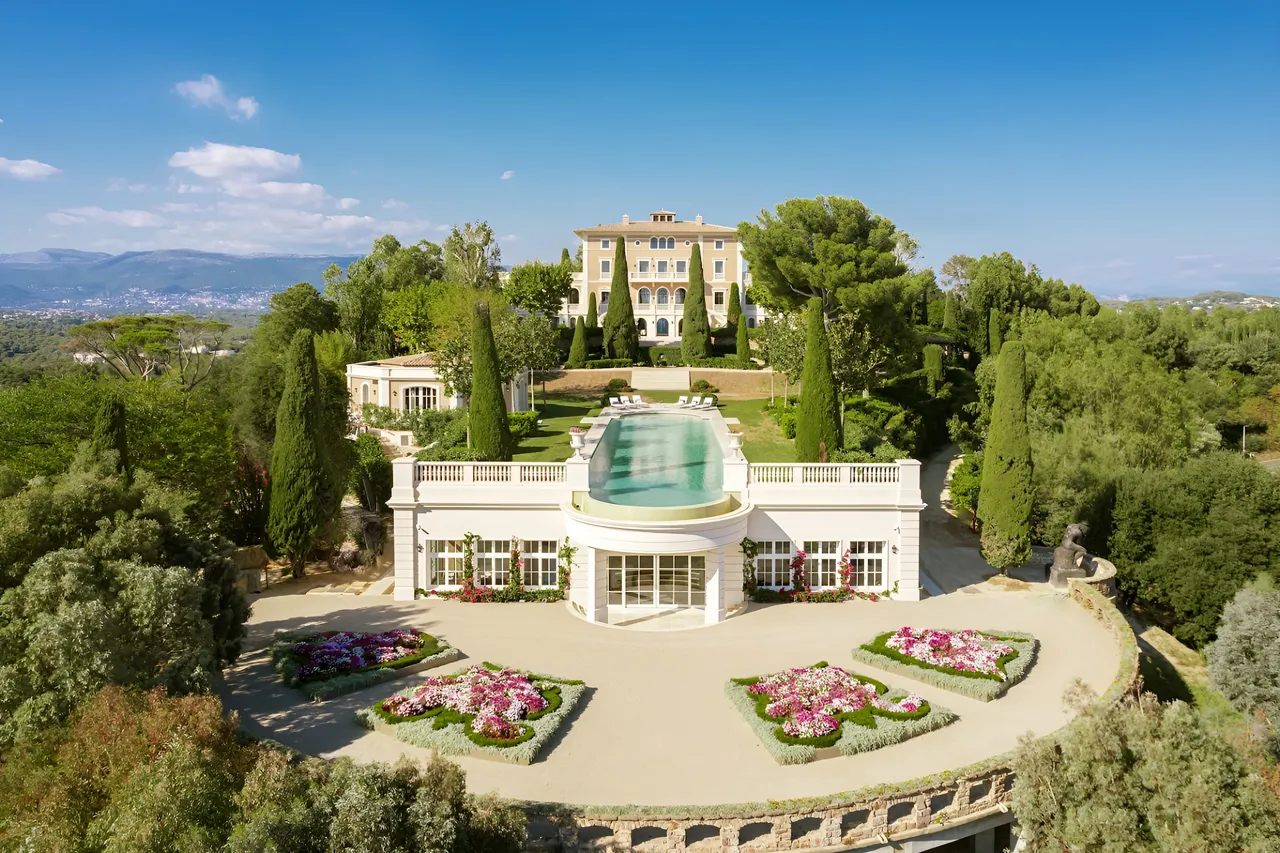
Château de la Croix des Gardes is the only château looking over the bay at Cannes, a house of 1919 in ten hectares of Italianate gardens that Hitchcock filmed for To Catch a Thief. It takes four weddings a year, each with the gardens to itself for six days, for up to 300 under a structure built for the evening.
Domaine du Mont Leuze sits on the ridge above Villefranche-sur-Mer in three terraces that all face the coast, with a helipad and a pool. Its Roof of the World seats 280 above Nice and its outdoor music runs to midnight, an hour later than the rest of this coast manages.
Château Saint Jeannet is an eleventh-century fortress rebuilt from ruins under the Baou, 27 minutes from Nice airport, with a pergola seating 130 and a lawn holding 300. It is a private house rather than a hotel, which here means two professional kitchens with nobody in them. Bastide du Roy above Biot, bought by Jeanne Lanvin in 1924, has three walled gardens, a courtyard facing the Baie des Anges and 365 olive trees, and its hire buys the ground and the staff but not a single table or chair.
Château Saint Georges stands with a Belle Époque villa in three hectares of terraced park above Grasse. Twenty bedrooms across the two houses sleep forty of the 120 guests it takes, which is the rarest ratio on this page, and no car is allowed up to the house on an event day.
Château de Garibondy Wedding
A Belle Époque château in the hills above Le Cannet, ten minutes from the Croisette and screened from all of it by its own gardens. Twelve bedrooms, a separate three-bedroom villa, an oval pool and a tennis court, on a hilltop looking out to the Estérel.
Garibondy seats 250 for dinner and takes 300 standing, which makes it the largest of the private estates here that also sleeps a family. Venue hire sits at the lower end of this coast’s range. It rents whole, for weddings and for the festival weeks, and those two markets compete for the same dates.
The compromise is Cannes itself. Being ten minutes from the Croisette is what makes Garibondy easy for guests and impossible in the third week of May, when the town is full and every room within twenty kilometres sells at several times its usual price.
For a wedding of 150 to 250 that wants a private house rather than a hotel, and wants guests to be able to walk out to dinner in a real town on the Friday, this is the one we reach for first.
Le Park Mougins Wedding
A garden estate on the edge of Mougins, the hill village behind Cannes where Picasso spent his last years. Provençal buildings in mature parkland, taken whole, twenty minutes from the airport and fifteen from the sea.
Le Park is the most adaptable venue on this page and the least defined by a single view. Seated capacity is 250. It is a private estate rather than a hotel, so the kitchen, the furniture, the power and the people all come in with you, and the parkland takes a structure without a fight.
That last point is the reason it is on this list. Almost nothing on the Riviera coast has flat, open, private ground large enough for a marquee at 200 people, because the coast is built on a slope and every metre of it is spoken for. Mougins has it.
The trade is that you are not on the water, and the estate does not pretend to be. For a wedding built around a marquee, a band and a guest list that outgrew the coastal properties, that stops mattering by the time the doors open.
Venue guides on the French Riviera
 Hotel du Cap-Eden-Roc
- Maximum capacity
- 400 guests
- Starting budget
- €200,000+
 Grand-Hôtel du Cap-Ferrat
- Maximum capacity
- 200 guests
- Starting budget
- €250,000+
 Château de la Croix des Gardes
- Maximum capacity
- 300 guests
- Starting budget
- €1,300,000+
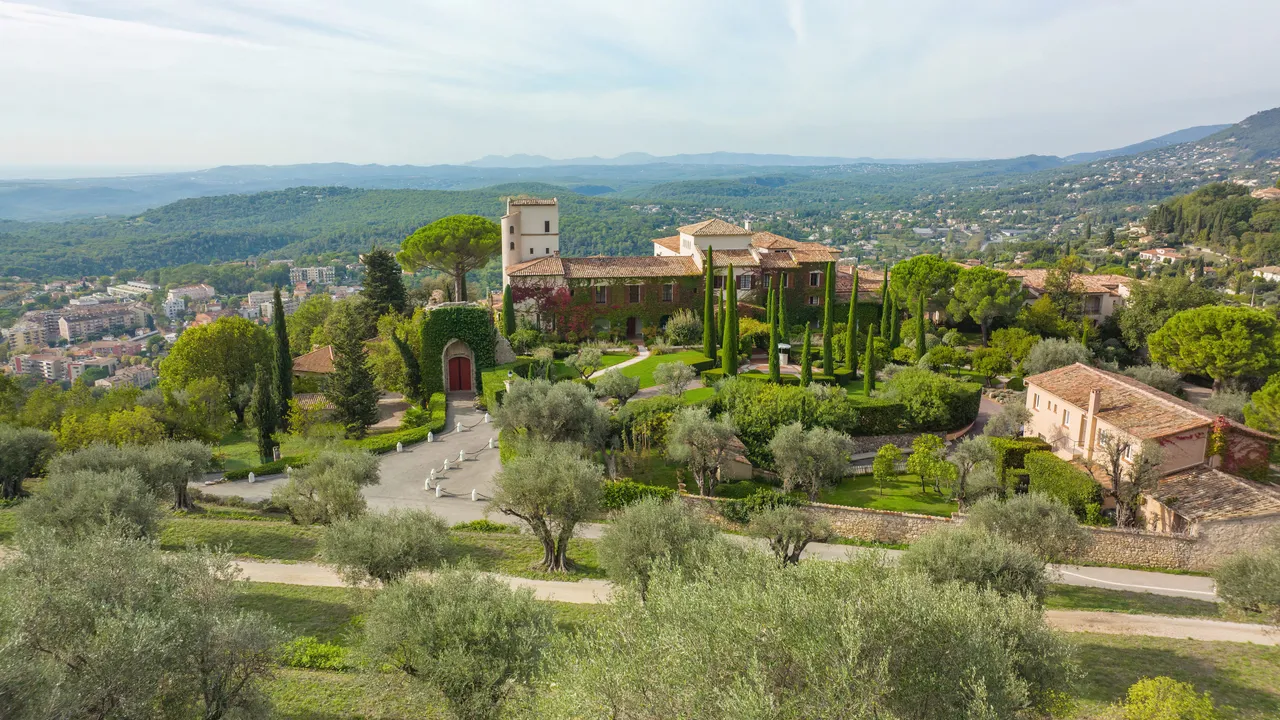 Château Saint-Martin
- Maximum capacity
- 150 guests
- Starting budget
- €600,000+
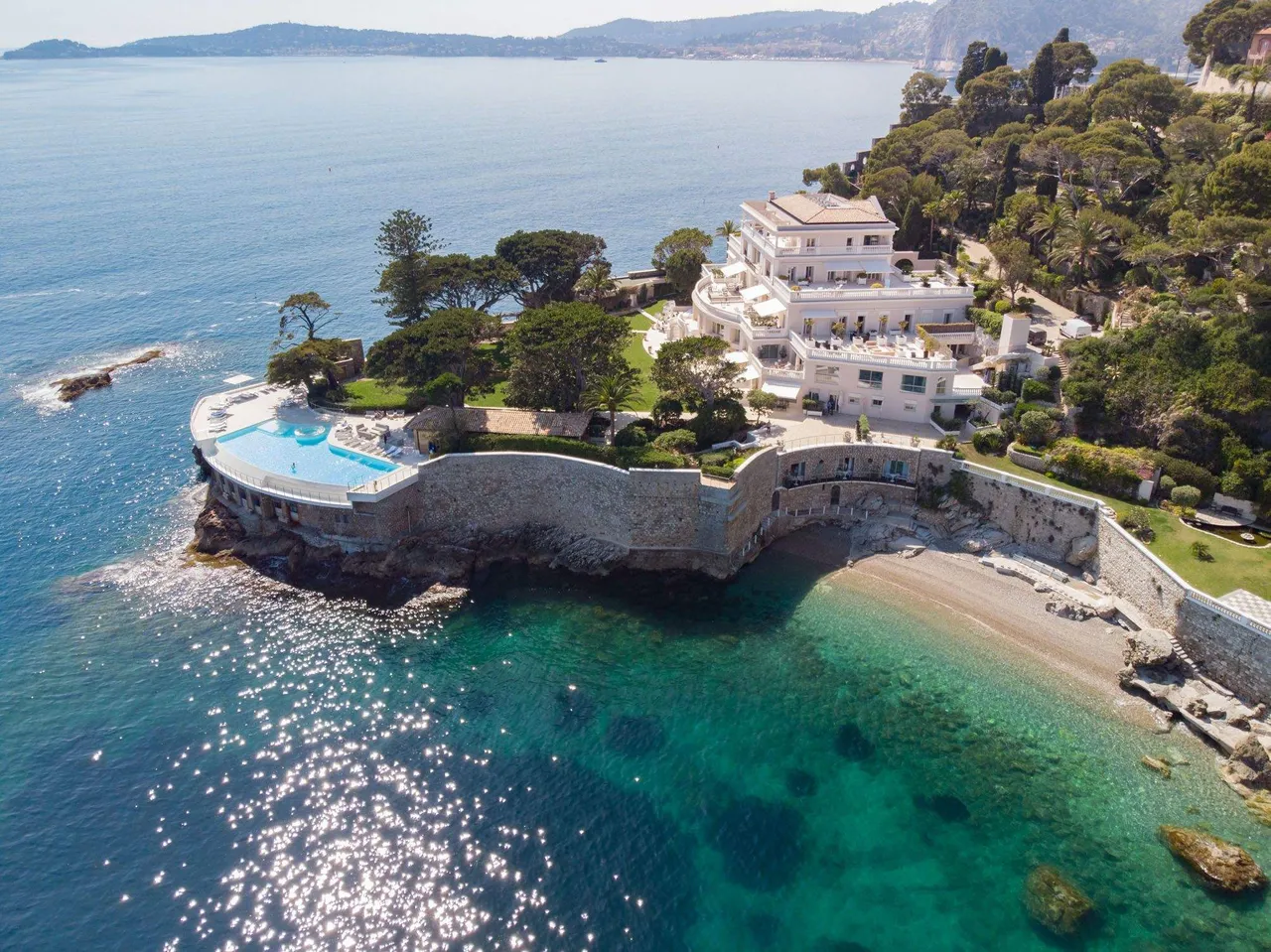 Cap Estel
- Maximum capacity
- 130 guests
- Starting budget
- €650,000+
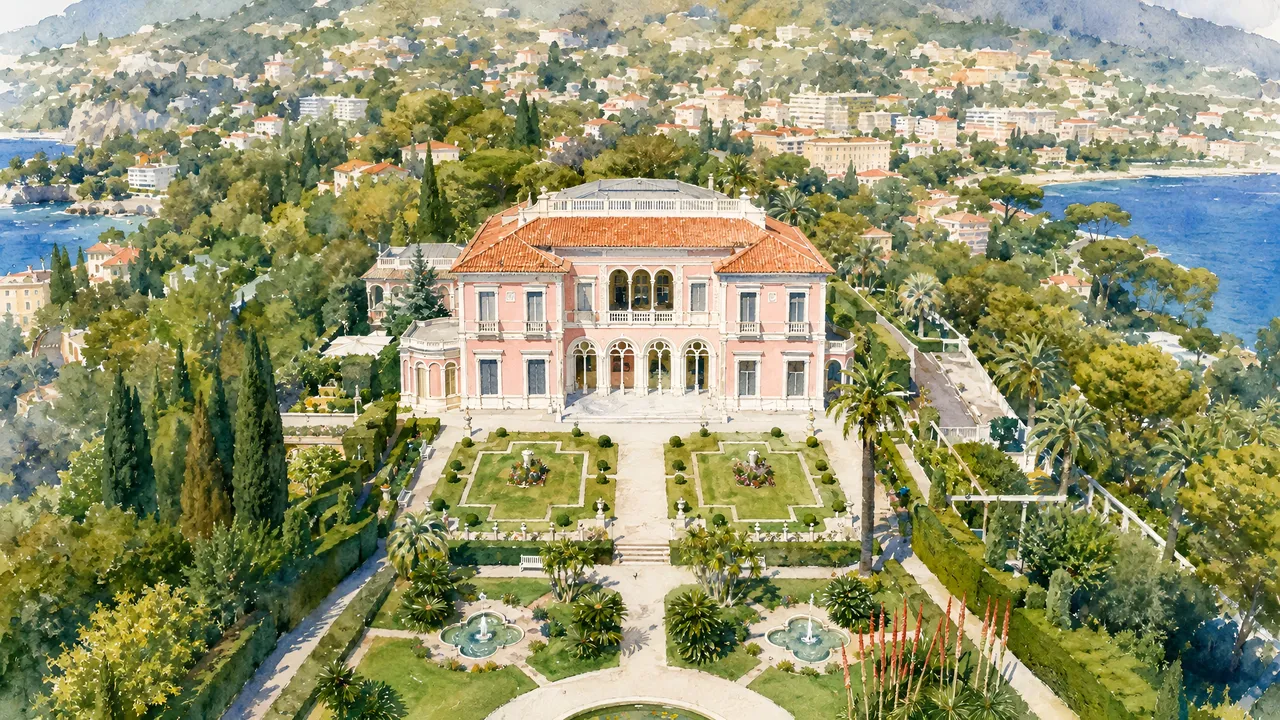 Villa Ephrussi de Rothschild
- Maximum capacity
- 300 guests
- Starting budget
- €450,000+
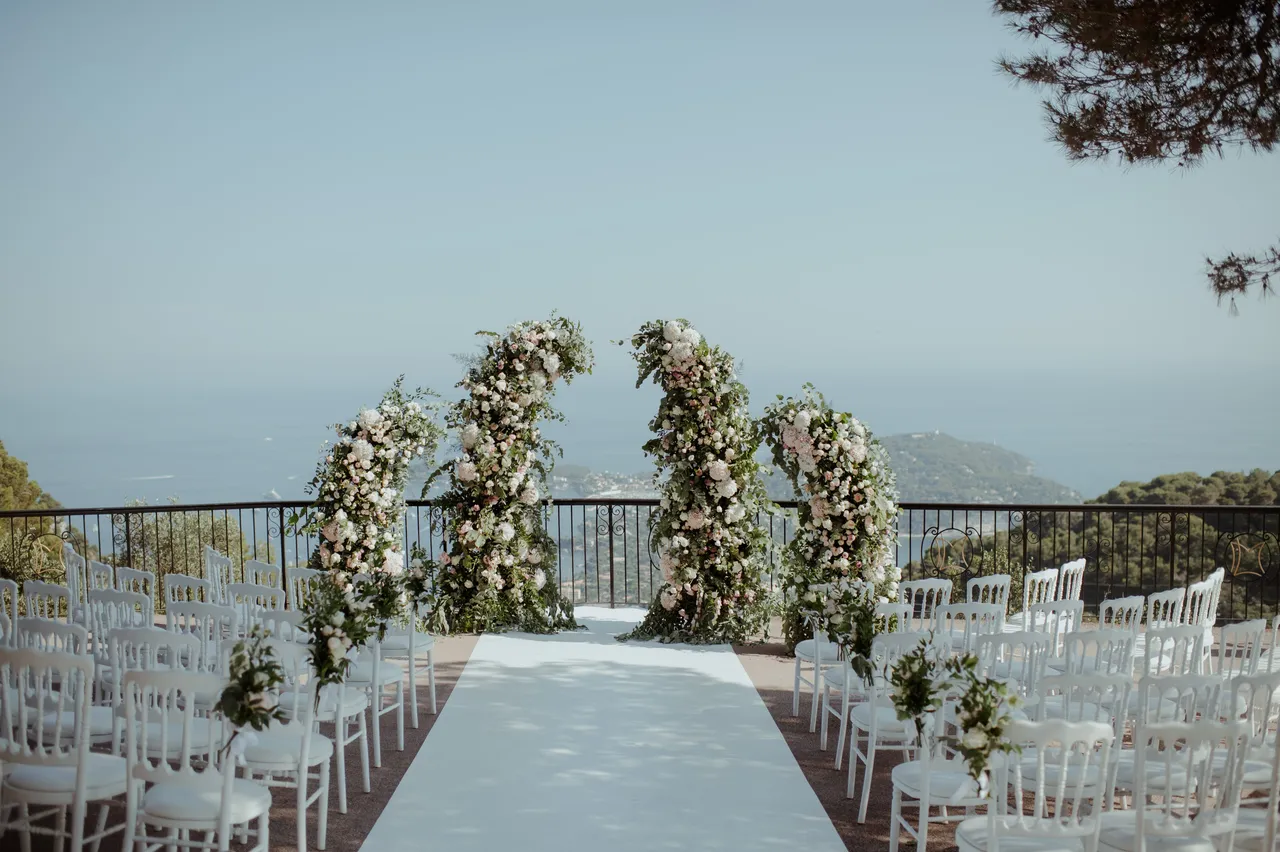 Domaine du Mont Leuze
- Maximum capacity
- 280 guests
- Starting budget
- €100,000+
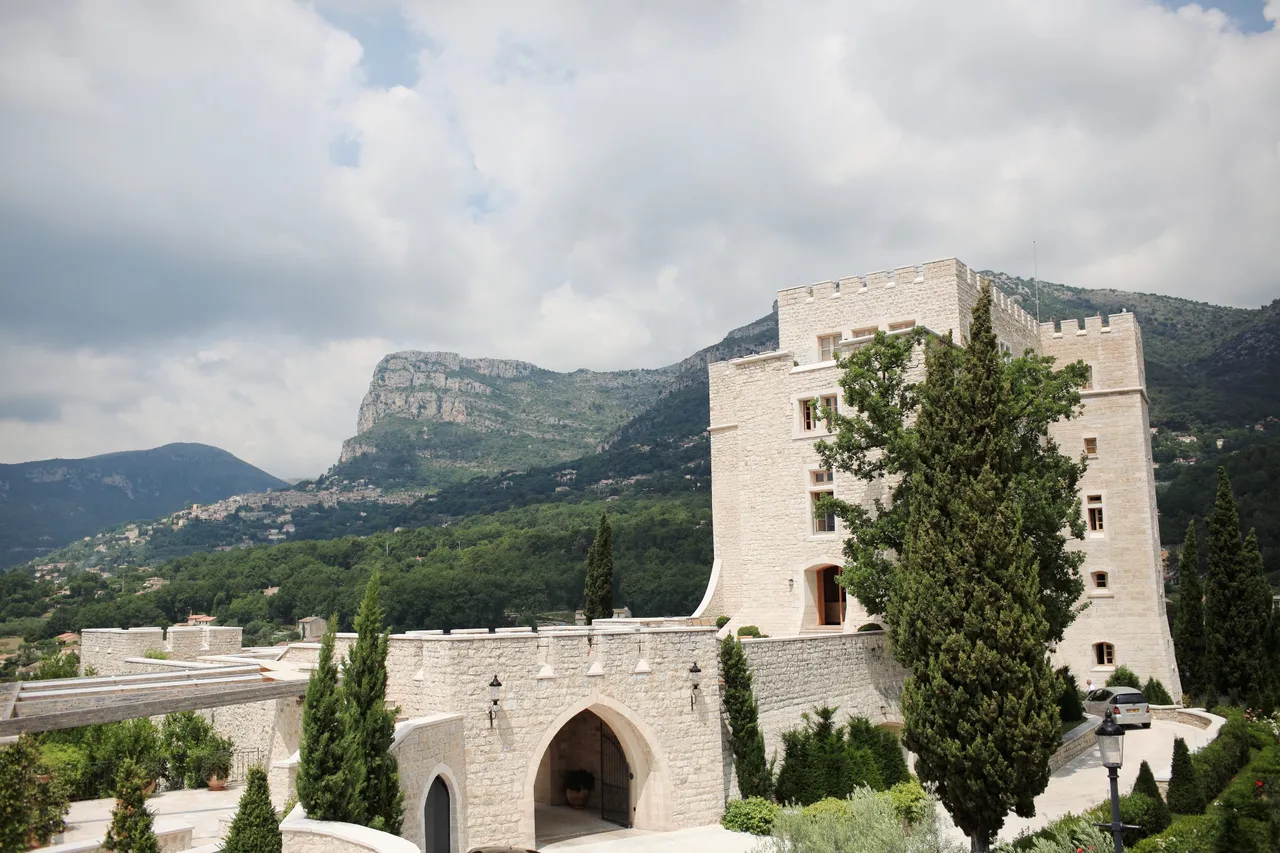 Château Saint Jeannet
- Maximum capacity
- 130 guests
- Starting budget
- €150,000+
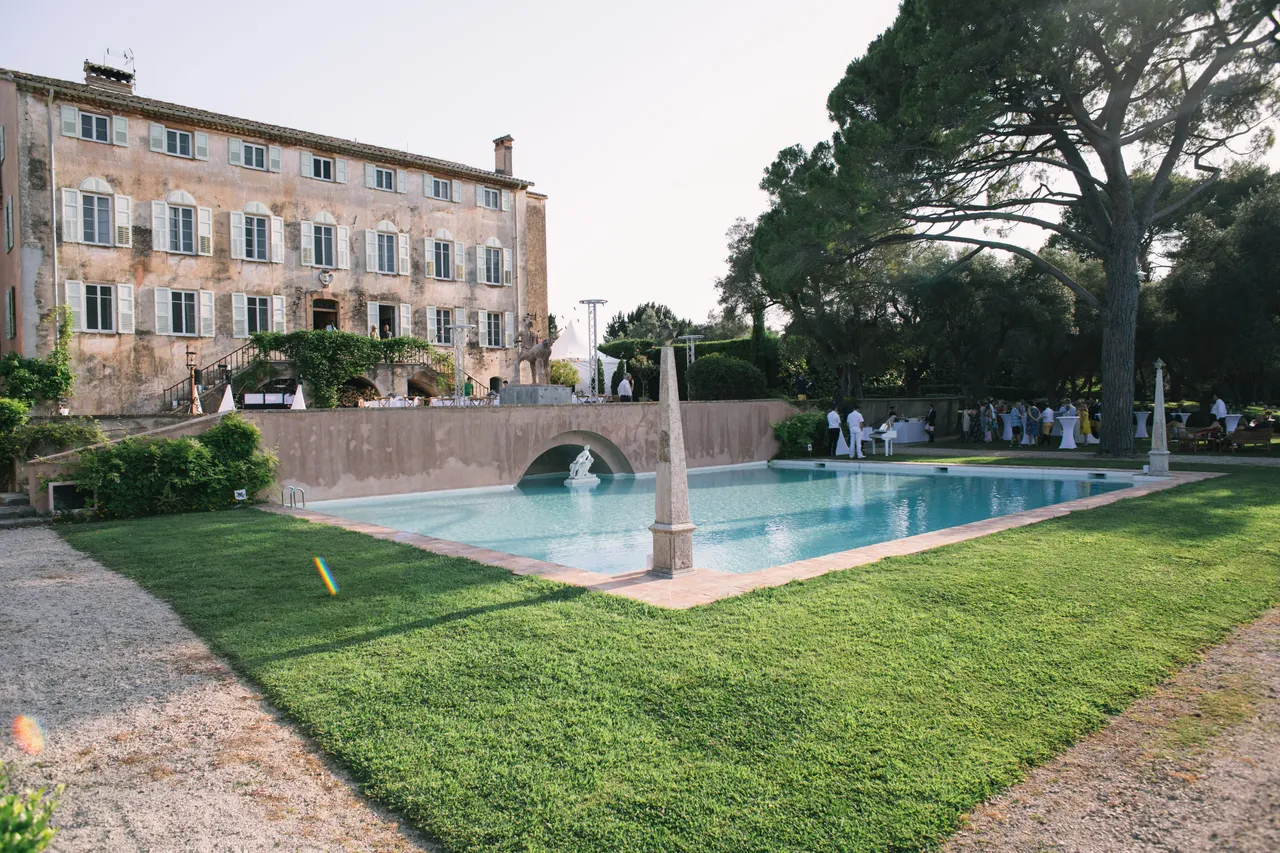 Bastide du Roy
- Maximum capacity
- 280 guests
- Starting budget
- €150,000+
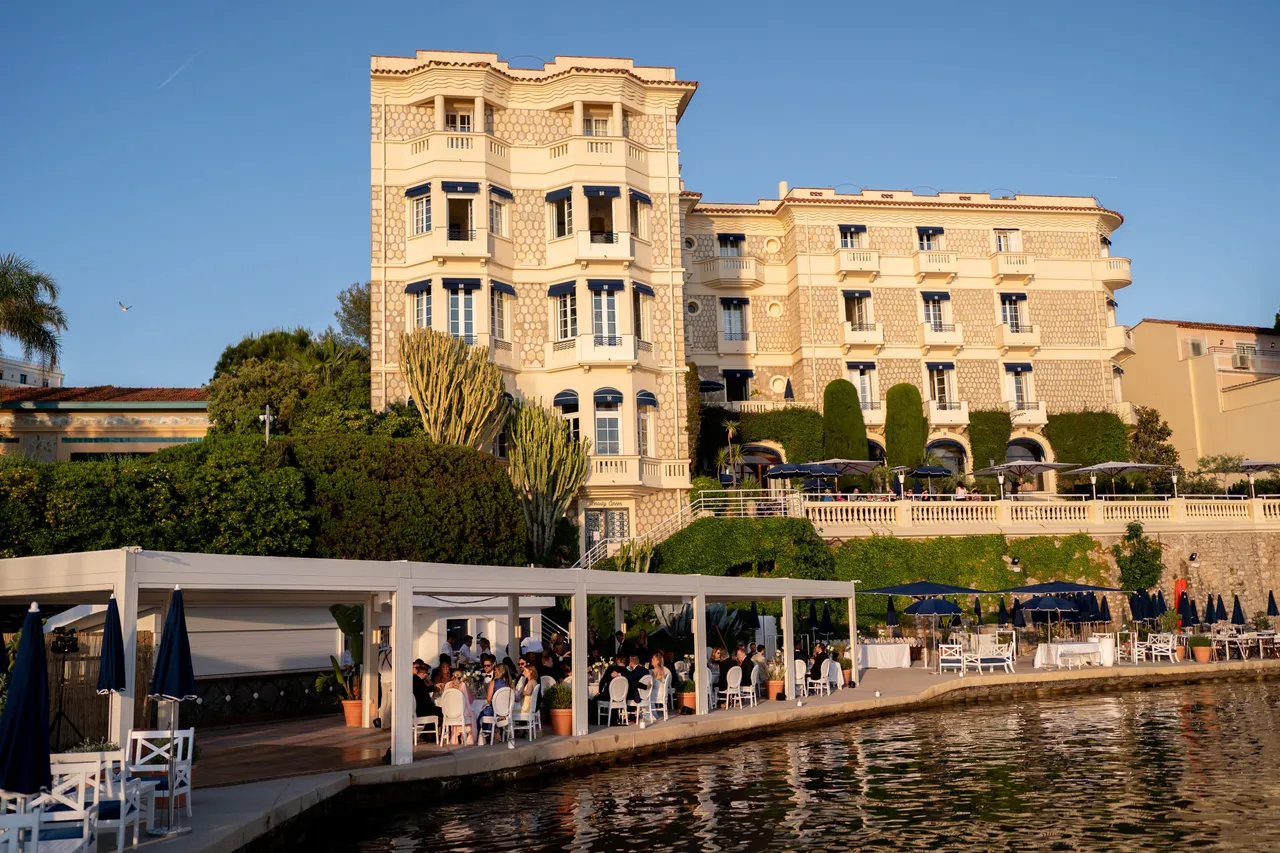 Hôtel Belles Rives
- Maximum capacity
- 90 guests
- Starting budget
- €100,000+
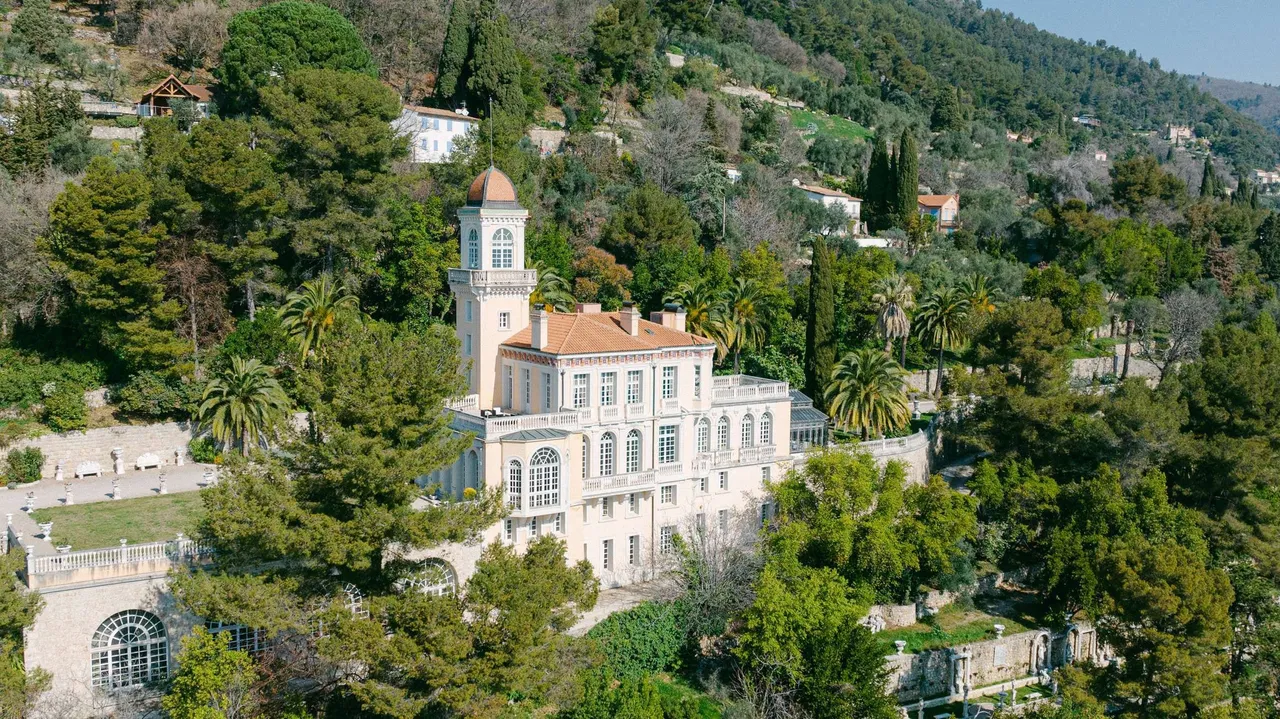 Château Saint Georges
- Maximum capacity
- 120 guests
- Starting budget
- €120,000+
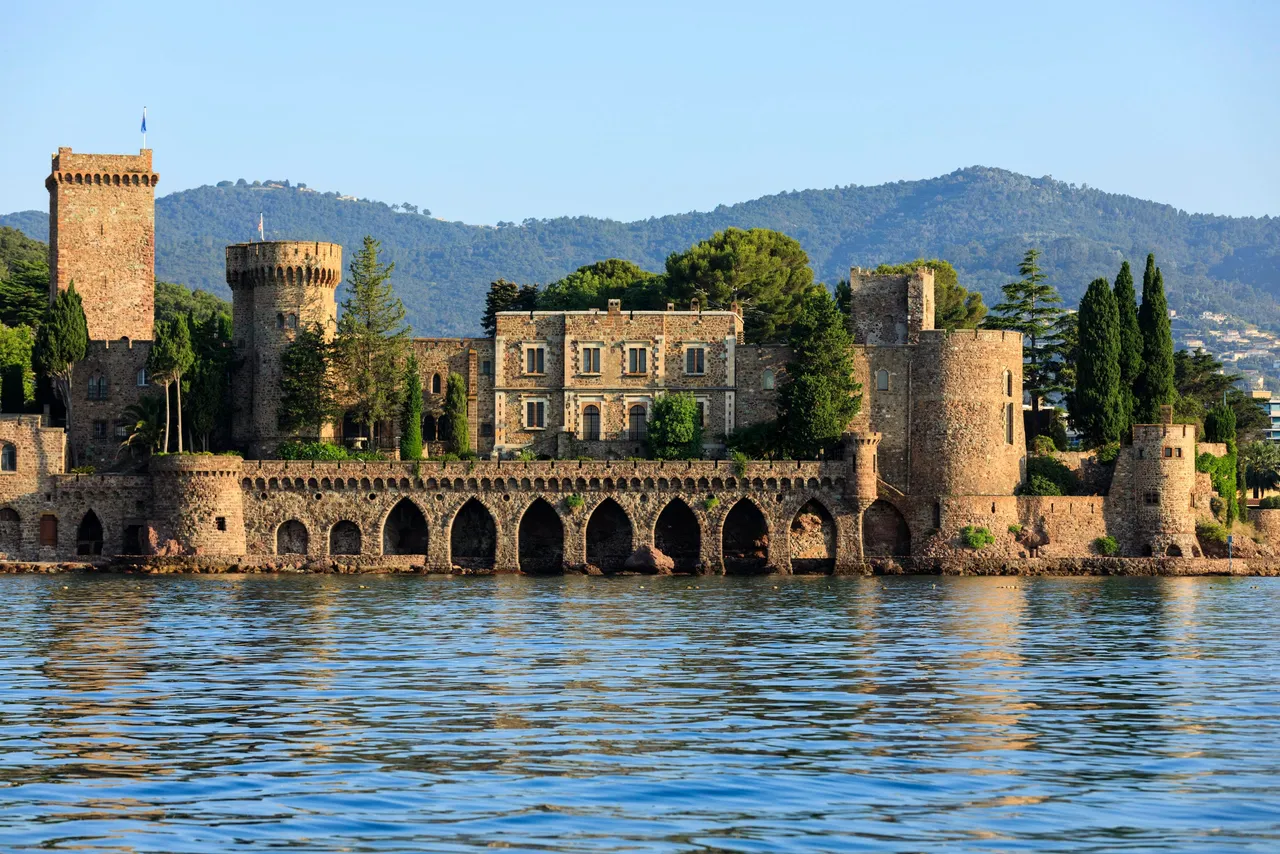 Château de la Napoule
- Maximum capacity
- 450 guests
- Starting budget
- €150,000+
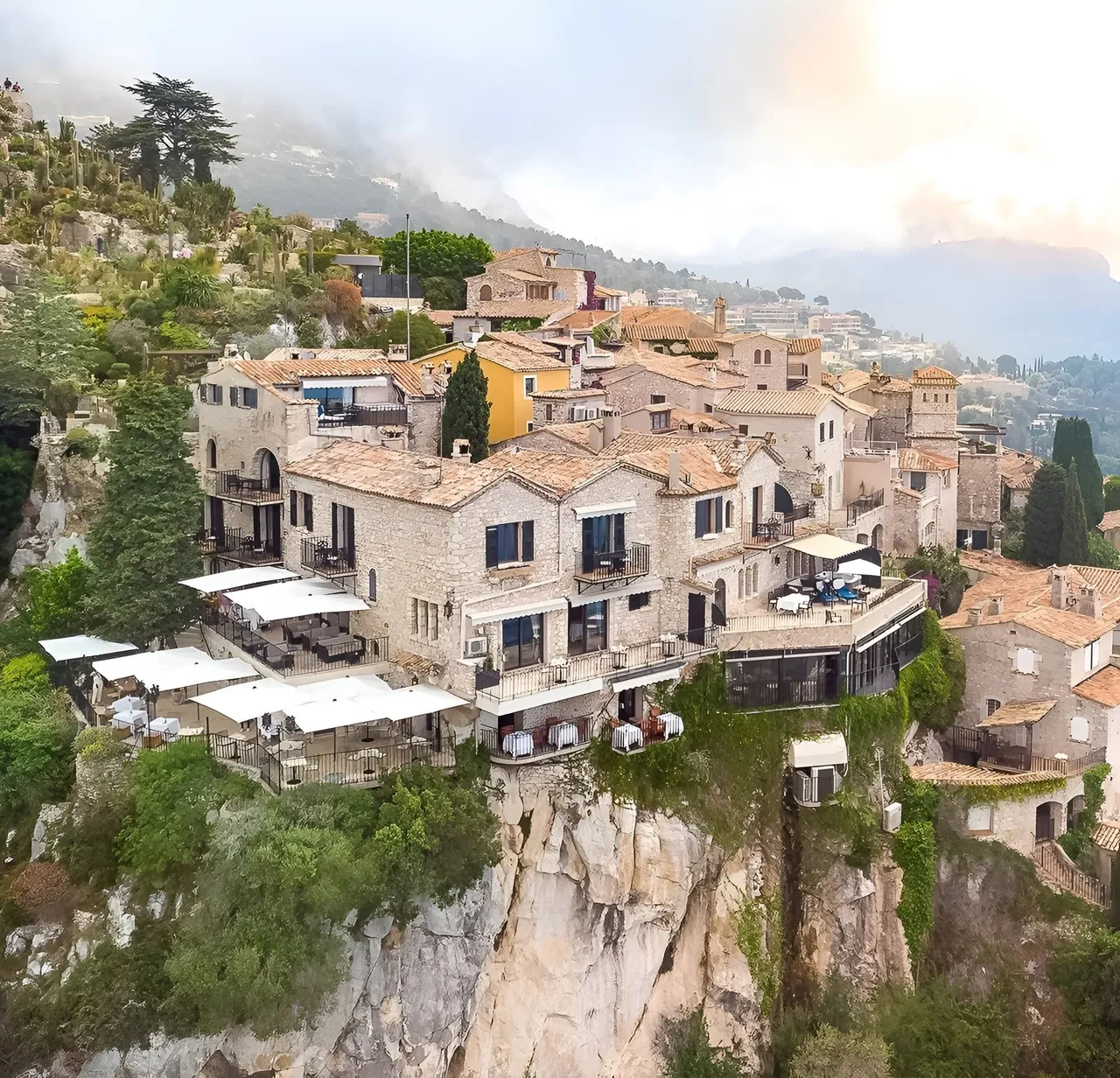 Château Eza
- Maximum capacity
- 38 guests
- Starting budget
- €100,000+
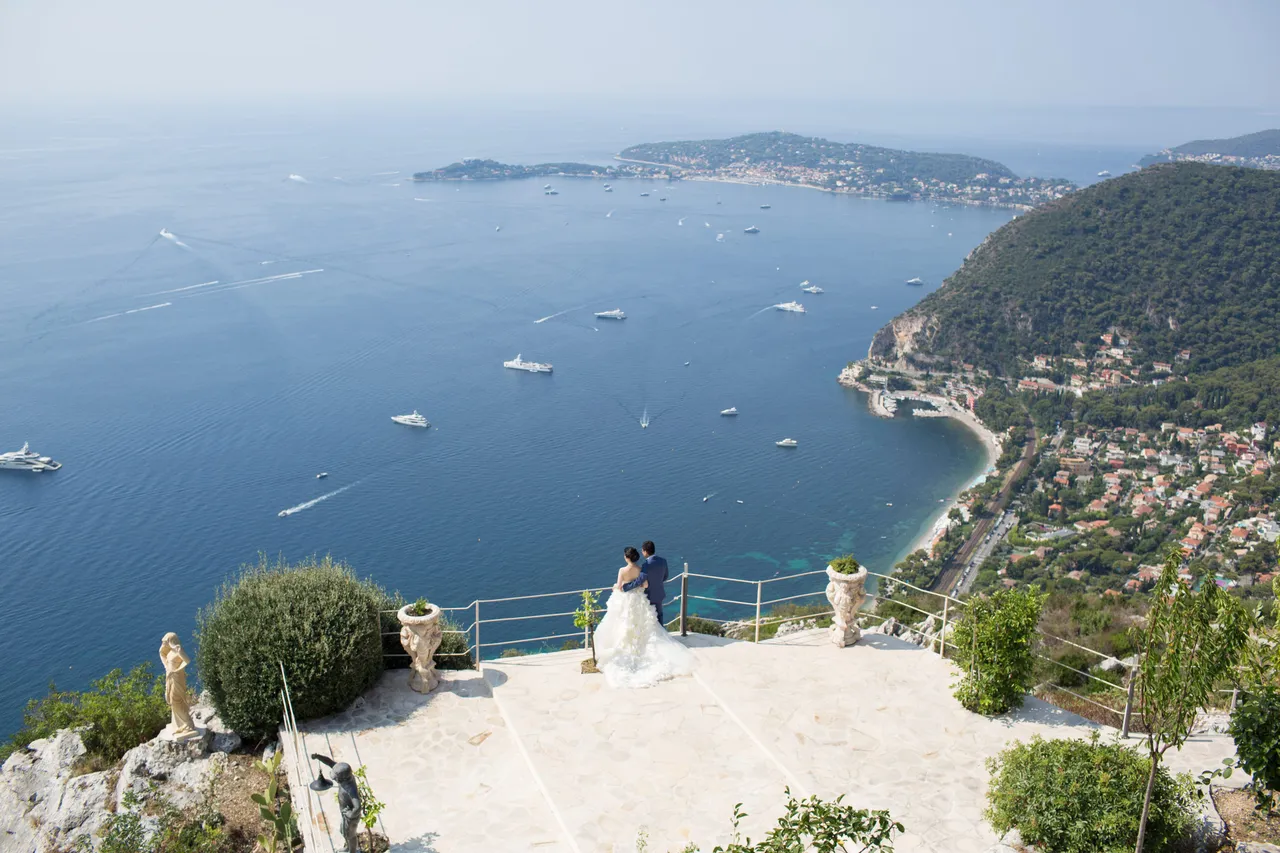 Château de la Chèvre d'Or
- Maximum capacity
- 80 guests
- Starting budget
- €100,000+
Where to Marry on the French Riviera, Cap d'Ail to Saint-Tropez
The coast reads as one place from a distance and separates into eight on the ground. Each has its own commune, its own curfew and its own answer to where guests sleep.
Running west from the Italian border:
Cap d’Ail and Èze sit at the eastern end, where three corniche roads stack above the same two kilometres of water and the ground falls 500 metres from the top road to the bottom one. Monaco is ten minutes away, which decides where a lot of guests stay, and it is where a wedding goes when the guest list passes what these venues seat.
Èze is really two addresses. Cap Estel is at the bottom, on the water at Èze-Bord-de-Mer. The medieval village is at the top, 430 metres up, where La Chèvre d’Or and Château Eza both take weddings on terraces cut into the rock.
Those two are small and unlike anything else on this coast: Eza seats 38 and no more, and the Chèvre d’Or stops at 80 and asks for fourteen rooms before it will let you dance. All three, and the choice between the village and the sea, are compared on the Èze wedding venues page.
Villefranche-sur-Mer has the deepest natural harbour on the coast and a hillside above it that climbs to 600 metres. The town has almost no wedding venues and a great many places to have dinner. The venues are above it, on the ridge.
Saint-Jean-Cap-Ferrat is a residential peninsula of large private houses, most of which will never be rented for anything. The exceptions are the two venues here: Villa Ephrussi de Rothschild on the neck of the peninsula, and the Grand-Hôtel du Cap-Ferrat near its tip, with its gardens running down to the sea.
Nice is where the airport is, where the hotel rooms are, and where almost nobody gets married. It is the arrivals hall and the guest accommodation for the eastern half of the coast, twenty minutes from Villefranche and thirty from Antibes.
Antibes and Cap d’Antibes hold the coast’s grandest hotels on a gated, wooded peninsula between Nice and Cannes, with Hôtel du Cap-Eden-Roc at the tip and Hôtel Belles Rives on the water at Juan-les-Pins. Bastide du Roy is inland of both, on the ridge towards Biot. Antibes town is a working port with a fort and a morning market, and it is the most pleasant place on this coast for guests to spend a free afternoon. All three have their own page, because the music rules change completely between one end of that commune and the other.
Cannes, Mandelieu, Le Cannet, Mougins and Grasse are one cluster: a seafront town, the castle on the rocks seven kilometres west of it, the hills immediately behind, a hill village twenty minutes inland, and the perfume town half an hour up. Five of the venues above are in it and the festival calendar governs the lot.
Vence, Saint-Paul-de-Vence and Saint-Jeannet sit twenty minutes up into the hills, cooler in summer and greener than the coast, with the light that brought the painters and kept them. Château Saint-Martin is here, looking down over the coast from its terraces, and Château Saint Jeannet is on the next hill east, closer to the airport than anything else in this band.
The Estérel and Saint-Tropez close the western end, where the red rock of the massif runs into the water and the coast road slows to a crawl. Saint-Tropez is a different proposition from the rest of the Riviera and has its own page, with its own venues, its own curfew map, and a peninsula that fills in August.
The practical version of all that: the eastern end is closest to Monaco and the airport, the middle holds the hotels, the western hills hold the private estates, and Saint-Tropez is ninety minutes past the last of it.
Can You Legally Marry on the French Riviera?
No, in almost every case. French law puts the civil ceremony at the mairie, and one of you must have lived in the commune for 30 days before the banns are published. That rules out most foreign couples, and no venue on this coast can change it.
What happens instead is straightforward. Couples marry legally at home some weeks before, usually at a registry office, and hold a symbolic ceremony on the Riviera that carries the whole weight of the day. Guests rarely know the difference.
A Catholic ceremony is a separate question, because the church requires the completed civil marriage first and the parish will ask for the certificate.
Monaco is worth one line, because the border is ten minutes from Cap d’Ail and the question comes up on nearly every enquiry at the eastern end. It is a different country with its own residency requirements, and those are no easier than the French ones. Proximity does not make it a workaround.
Planning a wedding on the French Riviera?
INQUIREMusic Curfew and Noise on the French Riviera
This is the part that decides your timeline, and it is settled before you choose a venue.
The rule that binds is the venue’s. The Alpes-Maritimes order names no hour and leaves exceptions to the mayor, and in practice outdoor amplified music on this coast stops by 23h. A commune’s own arrêté sits over the top only where one exists.
So what governs is the venue’s contract, and whether it covers live music as well as amplified sound. On the Saint-Tropez peninsula, in the Var, all four communes run to the same 23h, with no address buying a later evening anywhere on it. Realistically it is 23h outdoors here too, and anything later is the venue’s to offer and to put in writing.
Where a later night comes from is a derogation rather than an address. On the peninsula it is the beach concessions, which hold music to midnight. On this coast the answer is specific to the property and never appears in a brochure, so we get it from each one directly. Two properties on this page hold a later hour, and both hold the same one: Domaine du Mont Leuze and Bastide du Roy run outdoor music to midnight and then move it inside, to the first floor at one and to the Olive Tree Pavilion at the other, until half past two.
Most properties also run a decibel limiter, set around 90 to 95 dB(A) against a legal ceiling of 102 dB(A), and monitored by a technician who is not on your side of the argument. A limiter is not a curfew. It caps the band all night, including the part you were counting on.
We build the evening backwards from whichever binds first. The band peaks early, the last hour belongs to a DJ working under the meter, and the after-party moves indoors or into a town that is still awake. On this coast there is usually one within fifteen minutes, which is a real advantage over the more isolated parts of Provence.
Getting Guests to the French Riviera
This is the strongest practical argument for marrying here rather than anywhere else in the south of France.
Nice Côte d’Azur is France’s second busiest airport, it carries direct routes from both the US and the UK, and it is 25 to 40 minutes by road from every venue on this page. Guests connect once, or not at all. Against that, Saint-Tropez is ninety minutes further west with no airport of its own, and the inland Provençal estates further again.
Cannes-Mandelieu takes light private aviation and sits fifteen minutes from Cannes, with a runway short enough to rule out the larger jets. Nice handles the rest of private aviation directly.
The Monaco heliport runs a seven-minute shuttle from Nice, and it is the arrival we book for guests staying at the eastern end. A handful of properties on this page take a helicopter directly, Mont Leuze among them.
Rail matters here in a way it does not elsewhere in France. The coastal line runs from Cannes through Antibes, Nice and Villefranche to Monaco and Menton, stopping in most of the towns your guests will sleep in, and in August it is often faster than the road. The TGV reaches Nice from Paris in about six hours.
The road is the thing that goes wrong. The A8 carries the whole coast and it stops moving on summer afternoons, and the corniches are slow by design. For any wedding between June and September we write the transfer plan before the venue is signed, and we build in more time than the map suggests.
Season, Weather and the Riviera Events Calendar
April to October, and the shoulders are better here than almost anywhere in France. The coast holds its warmth into October and comes back in April, which gives a wider usable season than the Saint-Tropez peninsula or the inland estates.
June and September are the two months worth paying for. Warm evenings, water still worth swimming in, and light that holds past nine.
Then the calendar, which is the Riviera’s own problem, and nobody warns couples about it.
The film festival takes Cannes for most of the second half of May, and with it every hotel room from Antibes to Mandelieu at several times the usual rate. The Grand Prix at Monaco follows within days and does the same to the eastern end. An advertising festival takes Cannes again in June, and two boat shows land in September, one at Cannes and one at Monaco.
A wedding that collides with any of them will still happen. What will not happen is your guests finding a room at a sane price, or a transfer crossing Cannes on the Saturday, or a supplier with a free van.
We check those dates before venue availability, because a venue will sell you the Saturday of the film festival quite happily and the consequences land on your guest list rather than on theirs. August is hot, full and expensive without any help from an event. May before the festival is beautiful and materially cheaper. Most of these properties close between November and March.
Where Guests Stay on the French Riviera
The Riviera solves this better than any destination we work in, and it is a real reason to choose the coast.
Nice alone has more hotel rooms than the entire Saint-Tropez peninsula, at every price from a two-star in the old town to the Promenade. Cannes, Antibes, Beaulieu-sur-Mer and Villefranche all hold blocks within half an hour of the venues on this page, and the coastal railway links most of them, so guests who want to explore on the Thursday can do it without a car.
That changes the shape of the wedding. On a peninsula the venue’s room count is the constraint and the guest list bends to it. Here you can put 150 people within twenty minutes of the ceremony at three price points and let them choose.
We hold the blocks, publish one guest page with the options priced by tier, and run the transfers so nobody drives after dinner.
The exception is the festival weeks. In the third week of May there are no rooms on this coast at any price, and no amount of planning invents them.
We were stunned when we reached our venue, and we were very happy that we had trusted them in the process.
Magic Day Insights
The commune boundary. It decides your curfew, and on this coast the boundaries sit close together and rarely where you would guess. We establish which one a venue is in before it reaches a shortlist, not after.
Approved lists. Most properties here keep a closed list for catering and mean it. The list is short, the good ones are booked eighteen months out for June and September, and we read it before a venue is signed rather than after.
The build. At the private estates, budget the temporary infrastructure as a line item rather than a contingency: kitchen, power, furniture, lighting, cover. It is the largest thing couples fail to price, and at 150 guests it can exceed the venue hire.
Wind. The Riviera gets the tail of the Mistral and its own thermal winds off the sea in the afternoon, and both arrive without much notice in spring and autumn. Anything hung overhead is a decision, not a detail.
Fireworks. Restricted through the summer for fire risk across the Alpes-Maritimes, and refused outright in several communes. Drone shows and projection onto a façade are what we use instead.
Yachts. Guests will ask. A chartered day out of Antibes or Golfe-Juan is the strongest welcome event this coast offers, and it needs booking months ahead for July and August.
Light. The coastal light goes hard and white by ten in the morning and stays that way until five. First looks work here. A midday ceremony on an unshaded terrace does not.
Common Questions
How much does a French Riviera wedding cost?
A French Riviera wedding runs €100,000 to €700,000 all-in for 40 guests, €100,000 to €3,500,000 for 80, and from €250,000 at 150. The spread at any one guest count is wider here than on the rest of the French coast, because a Palace hotel on Cap d'Antibes and a private estate above Le Cannet are not the same purchase. Catering is €200 to €500 a head. At the private estates the hire buys the ground and little else, so kitchens, furniture, power and staff are all budgeted on top. Realistically a wedding lands near €500,000 at the Grand-Hôtel du Cap-Ferrat, near €1 million at Château Saint-Martin and near €1.5 million at Château de la Croix des Gardes, and starts from €1.8 million with the Hôtel du Cap-Eden-Roc taken whole. Magic Day weddings on the French Riviera start from €100,000.
What are the best wedding venues on the French Riviera?
Fifteen properties between Cap d'Ail and Grasse take a full wedding, and what separates them is what the hire includes rather than how they look. Hôtel du Cap-Eden-Roc, the Grand-Hôtel du Cap-Ferrat and Château Saint-Martin are hotels with rooms and kitchens. Cap Estel is a private peninsula taken whole for three nights. Villa Ephrussi de Rothschild is a museum that closes to the public and seats 300 among the fountains. Château de la Croix des Gardes, Domaine du Mont Leuze, Château Saint Jeannet, Bastide du Roy, Château de Garibondy, Le Park Mougins and Château Saint Georges are private estates where you bring the wedding in with you. Hôtel Belles Rives is the small end of the list, a beach and a fixed running order for sixty. Saint-Tropez sits at the far end and has its own page.
Can you legally get married on the French Riviera?
Not as a foreign couple in most cases. French law puts the civil ceremony at the mairie, and one of you must have lived in the commune for 30 days before the banns are published. Couples marry legally at home first and hold a symbolic ceremony on the Riviera, which is what almost every wedding on this coast is. Monaco is a separate country with its own requirements, and being ten minutes from Cap d'Ail does not make it an easier option.
What time does music have to stop on the French Riviera?
No prefectural order here names an hour, so the hour that binds is the venue's, and in practice outdoor amplified music on this coast stops by 23h, with a commune's own arrêté over the top only where one exists. On the Saint-Tropez peninsula, which is in the Var, all four communes run to the same 23h and no address buys a later evening. Most properties also run a decibel limiter, so the band's peak is capped all night rather than only at the end.
How many guests can you have at a French Riviera wedding?
Up to 400 at Hôtel du Cap-Eden-Roc, seated in the Glasshouse, its permanent pavilion in the park, and 300 at Villa Ephrussi de Rothschild among the fountains or at Château de la Croix des Gardes, under a structure built in its gardens. The estates behind Cannes, above Villefranche take 250 to 280, and so does Bastide du Roy at Antibes. The Grand-Hôtel du Cap-Ferrat takes 200 with the whole hotel, and Cap Estel and Château Saint Jeannet 130. Château Saint Georges at Grasse takes 100 outdoors, and Hôtel Belles Rives 90 on its beach or 70 once a dance floor is in the marquee, which makes it the answer under a hundred. We would build most Riviera weddings at 80 to 150, because above that the choice narrows and the price of the properties that can seat you rises faster than the guest list does.
Which airport is best for a French Riviera wedding?
Nice Côte d'Azur, and it is not close. It is France's second busiest airport, it carries direct routes from both the US and the UK, and it is 25 to 40 minutes by road from every venue on this page. Cannes-Mandelieu takes light private aviation and sits fifteen minutes from Cannes, with a runway that rules out the larger jets. The Monaco heliport runs a seven-minute shuttle from Nice, which is the arrival we book for guests staying at the eastern end of the coast.
When is the best time to get married on the French Riviera?
June and September, with a caveat that does not apply anywhere else in France. The Riviera's calendar is full of events that take every hotel room on the coast: the film festival in May, the Grand Prix at Monaco the week after, the advertising festival in June, and the two boat shows in September. Weddings work around them, but a date that collides with one costs your guests double for their rooms and can leave them with none at all. We check the calendar before venue availability.
Do you need a wedding planner on the French Riviera?
At the private estates, yes, because there is nobody there to do any of it. Croix des Gardes, Mont Leuze, Garibondy, Saint Georges and Le Park Mougins give you the keys and the view. At the hotels the answer is still yes, for a different reason: a Palace hotel runs a hotel well, and a wedding is not a hotel. The approved lists, the curfew, the transfer plan between four hotels and the venue, and the events calendar all sit outside what any property here is responsible for. Magic Day has run this coast from an office in Nice since 2010.
Planning a wedding on the French Riviera?
Thank you — we have it.
One of our planners will be in touch personally, usually within one working day.