
What a Tuscany Wedding Costs
A Tuscany wedding runs €40,000 to €250,000 all-in for 40 guests, €80,000 to €500,000 for 80, and from €150,000 at 150. Catering is €150 to €350 a head before drinks. Magic Day weddings in Tuscany start from €100,000.
The number that misleads people in Tuscany is the hire, and it misleads them in a specific direction.
Tuscany sells two different things under the same word. A hotel hire at Castiglion del Bosco or Borgo Santo Pietro buys a kitchen, a staff, a floor, a licence and people who have done this before. A private villa hire buys walls, a garden and a set of keys. The second number is always lower and it is frequently the more expensive wedding by the time it is over.
What arrives on lorries at a bare villa is longer than most couples expect.
A mobile kitchen and the crew to run it. Tables, chairs, linen, glass and china for everyone. Generators, because a 15th-century villa’s supply will not carry a band and a kitchen and a lighting rig at once. Sometimes water.
Then two days of build on gravel tracks that were never designed for a seven-tonne truck, and two days of strike afterwards.
None of that is a reason to avoid villas, and villas are the reason to come to Tuscany. It is a reason to compare the two models on the all-in figure rather than on the hire, which is the comparison nobody publishes.
Against the rest of Italy, Tuscany sits below the Amalfi Coast and roughly level with the Italian Lakes, and above Puglia and Sicily at a comparable standard. What you are paying the premium for is depth of supply: this is the most developed wedding market in the country, and everything you need exists within an hour.
Wedding Planner Tuscany
Magic Day has been established in Florence at 41 Via Simone Martini since 2014.
Magic Day has planned weddings across 11 countries since 2008, and Tuscany is the region where the most attractive option is also the one that needs the most building. A wedding planner in Tuscany spends the first month on the question nobody enjoys: what does this hire actually contain.
The answer at a hotel is most things. The answer at a private villa is walls, a garden and permission, and everything else is a supplier list: a kitchen able to serve 150 covers, the staff to run it, furniture and glass for everyone, generators sized for a band and a lighting rig, and two days of build at each end on a track a lorry can barely use.
That is not a warning about Tuscan villas, which are the reason to come. It is the difference between the number in the brochure and the number on the invoice.
Then the Italian administration, which is the same everywhere and unforgiving of a late start. A nulla osta from your embassy, sworn translations, apostilles and a declaration of intent to the comune, over three to six months, with each step waiting on the one before it.
And then the local knowledge that only comes from having worked here. Which comuni approve which venues. Which villa has power and which has a generator hidden behind the cypresses. Which track a coach can take, and which of these six will still look like itself on a wet Saturday in October.
Tell us the month, the guest count and whether you want a hotel or a house, and we will tell you which of these six is actually the cheaper wedding.
Tuscany Wedding Venues
Seventeen properties, most of which have a page of their own with the figures in full.
The indoor capacity is a separate number from the outdoor one, and it is the one that decides an October wedding: Castiglion del Bosco seats 200 outdoors and between 45 and 70 in a room, and that gap is the wet-weather plan.
For numbers
Il Borgo di Vignamaggio above Greve takes 250 across five orchards and four painted halls, and sleeps 45, which is the widest gap on this page. Castello di Vicarello in the Maremma seats 220 in a field below the castle with no curfew on the music at all. Villa Valentini Bonaparte on the Umbrian border reaches 200 and includes a 370-square-metre marquee in the rental, so the wet-weather plan is already paid for. Il Borro in the Valdarno runs to 195 guests and requires every one of them to sleep on the estate.
For a whole village
Borgo San Felice near Siena is a restored Chianti hamlet with its own Romanesque church in the piazza, 62 rooms and a flat rate of €98,000 a night that does not move with the season. Borgo Scopeto, 23 minutes from Siena, holds a civil ceremony licence from its comune, which almost nothing else in the Chianti can offer. Borgo Vescine above Radda takes the whole hamlet for 100 guests and sets no curfew on the music.
For the cooking
Rosewood Castiglion del Bosco holds three Michelin Keys and two stars at Campo del Drago, on 5,000 acres of the Val d’Orcia, and requires a full buyout from 130 guests upwards. Borgo Santo Pietro near Siena holds three Keys of its own and a star and a Green Star at Saporium, and grows most of what it serves on a 300-acre organic farm. Borgo Finocchieto in the Val d’Orcia sells one three-night package with its chef and his entire team inside the figure.
For a late night
Castello di Spaltenna at Gaiole runs to four in the morning in its Bar Taverna, the latest finish in the Chianti, because a comune ordinance moves the party indoors at midnight. Conti di San Bonifacio in the Maremma permits music until three and prices the open bar by the hour to match. Castello di Gargonza above Monte San Savino sets its curfew at half past two and charges no venue hire at all.
For a small wedding
Lupaia above Montefollonico caps every function at 36 guests, indoors and out, and there is no structure or overflow that changes it. In exchange the whole hotel is yours for three nights and nothing limits the music, because everyone on the hill is at the wedding.
Taken as a bare house
Three estates let as private houses rather than sold as wedding venues, and none has a page here yet.
Villa Cetinale west of Siena is a baroque villa of the 1680s with a holy wood behind it, taking 100 outdoors and 26 inside, let by the week. Borgo Pignano above Volterra stands in 750 hectares of organic farmland and runs to about 120 on a two-night minimum; we recommend it for couples who want Tuscany without the traffic of it, and the trade is an hour and a half from Florence. Castello di Casole between Siena and Volterra hires its spaces one at a time, with ten rooms as a minimum, and seats 150 on the Limonaia terrace.
Florence and Fiesole
Villa Cora above the Oltrarno, Dimora Ghirlandaio at Impruneta and Belmond Villa San Michele on the Fiesole hillside are Florence venues, and they live on the Florence wedding page with the Four Seasons and the Medici villa on the Arno. This page does not repeat them.
The distinction is worth making rather than treating as filing. A Florence wedding is walkable, has no transfers and finishes earlier; a countryside wedding is the opposite on all three counts.
Venue guides in Tuscany
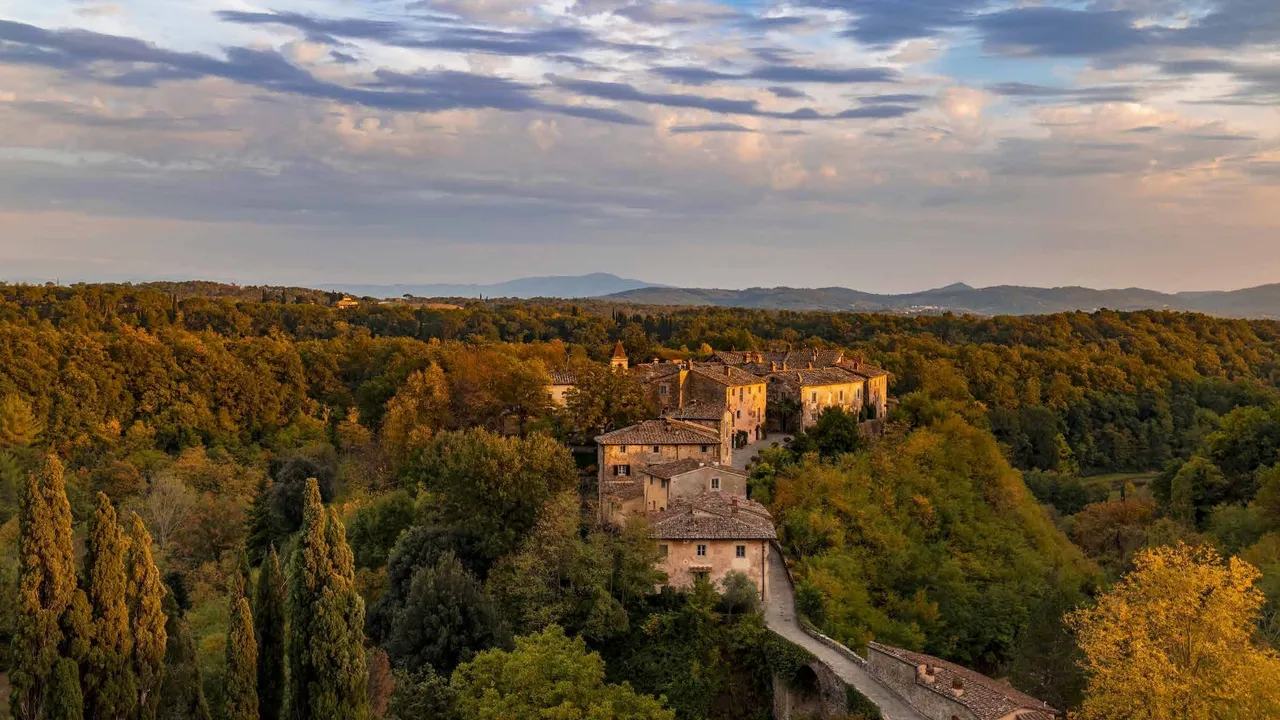 Il Borro
- Maximum capacity
- 195 guests
- Starting budget
- €300,000+
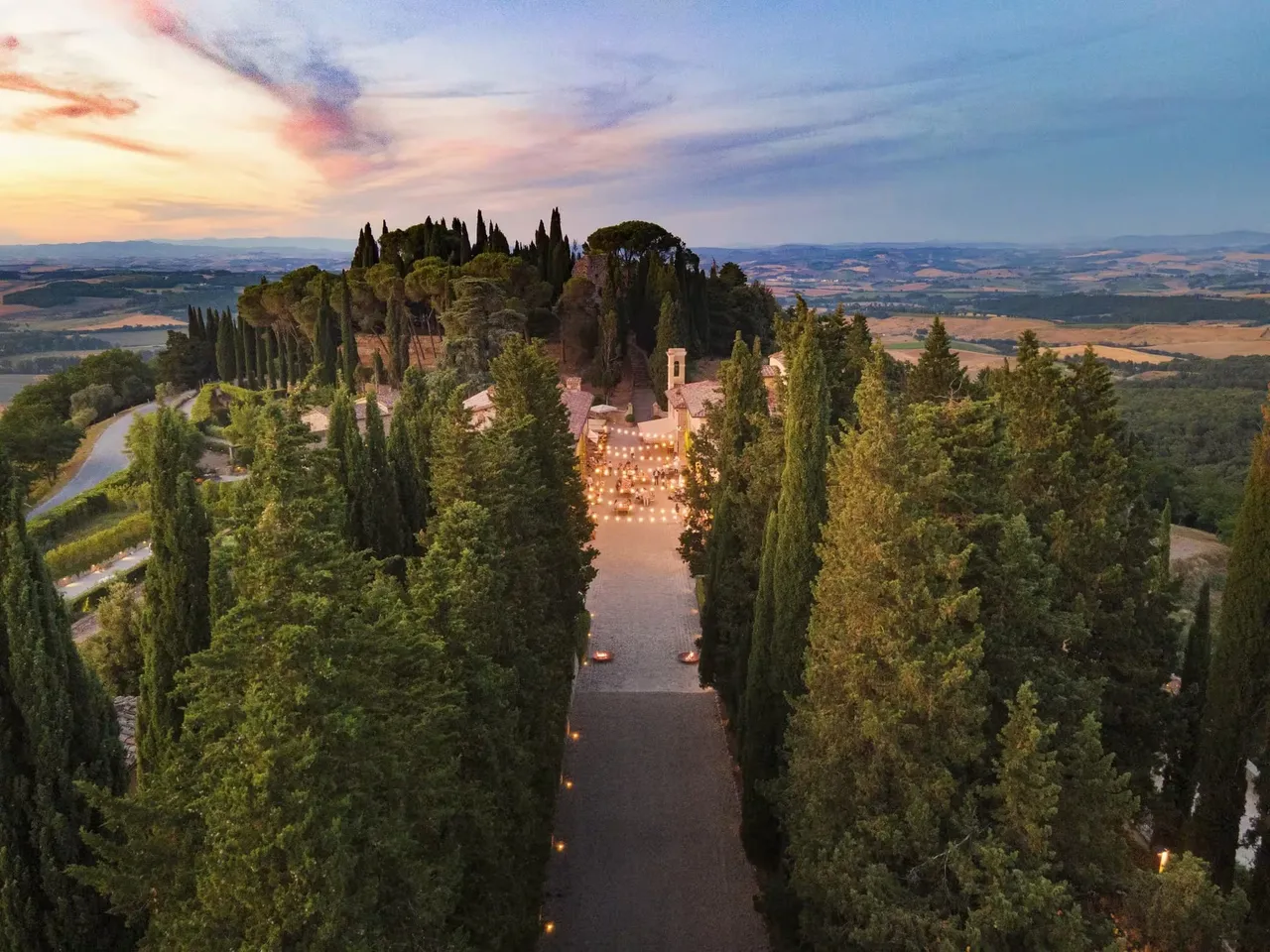 Rosewood Castiglion del Bosco
- Maximum capacity
- 200 guests
- Starting budget
- €350,000+
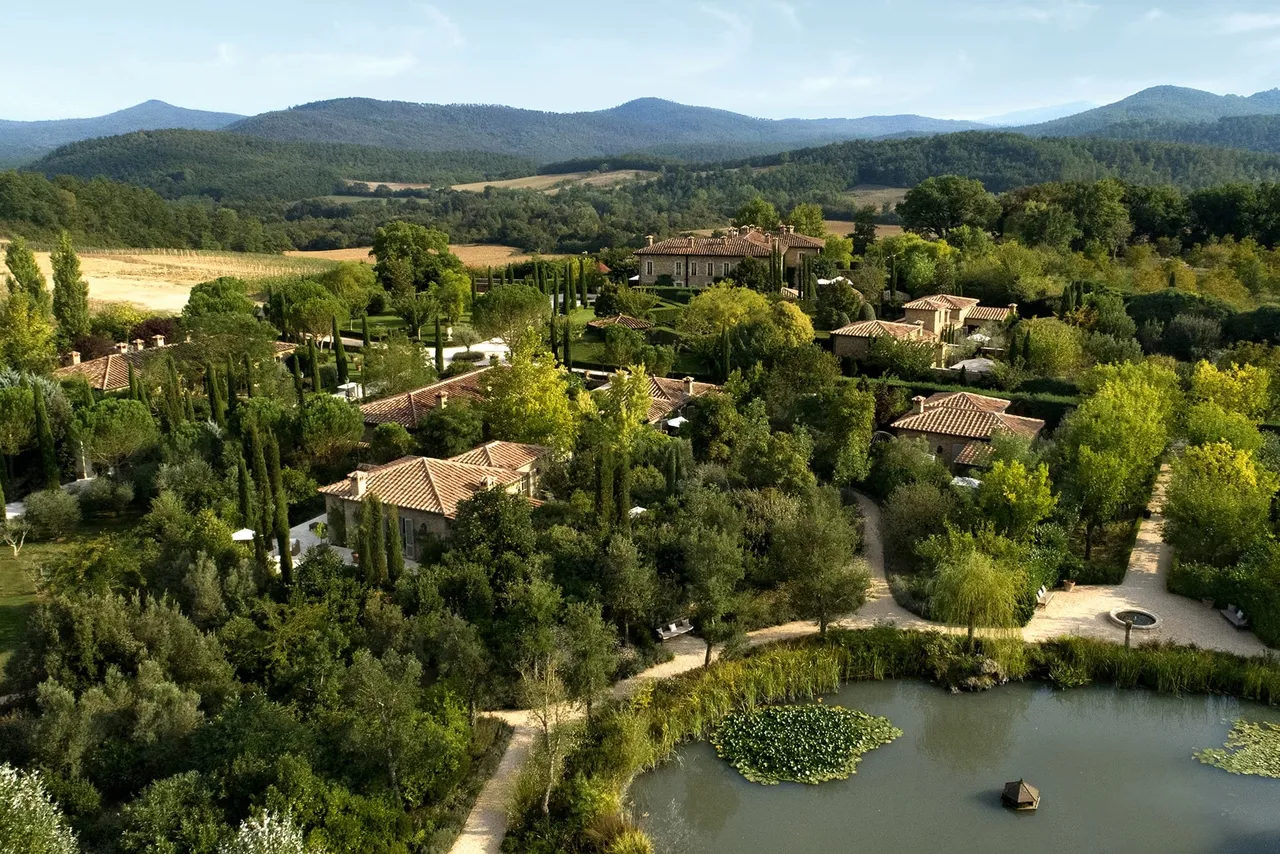 Borgo Santo Pietro
- Maximum capacity
- 100 guests
- Starting budget
- €550,000+
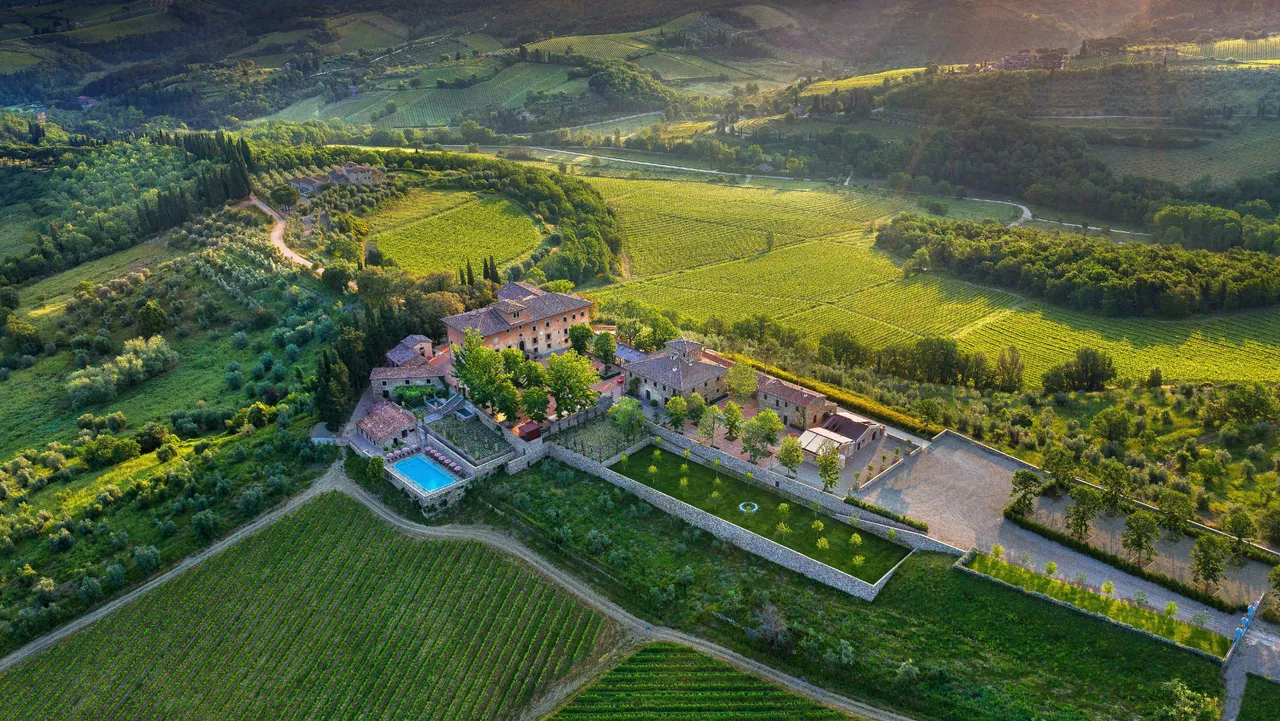 Il Borgo di Vignamaggio
- Maximum capacity
- 250 guests
- Starting budget
- €250,000+
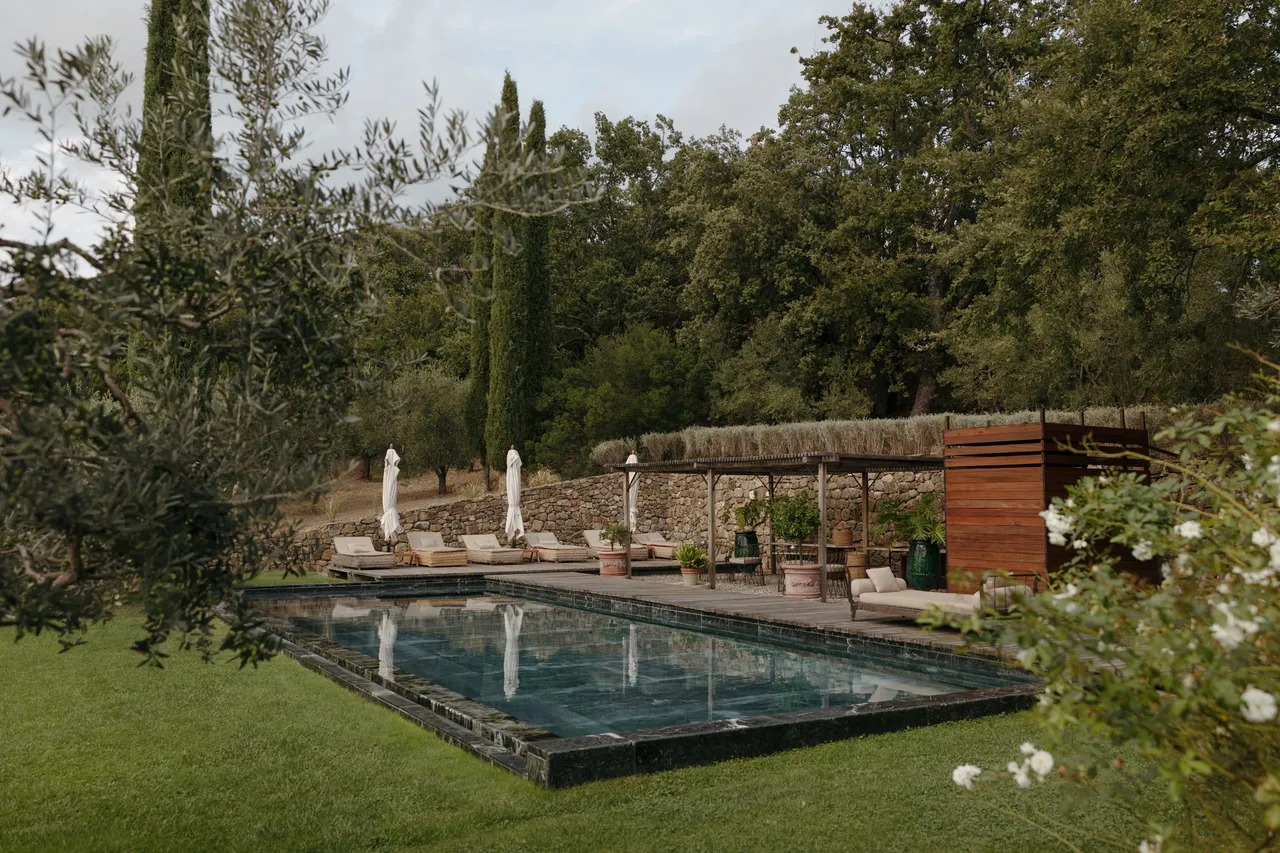 Castello di Vicarello
- Maximum capacity
- 220 guests
- Starting budget
- €150,000+
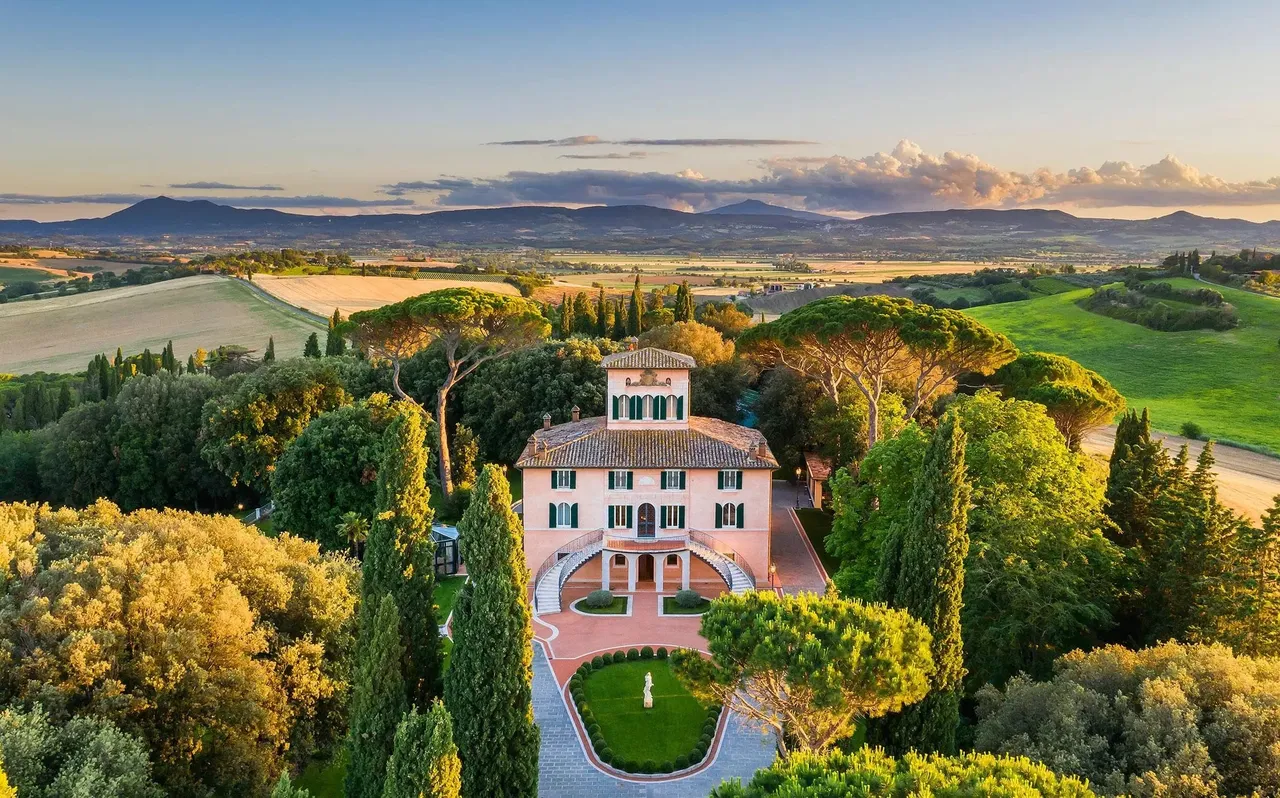 Villa Valentini Bonaparte
- Maximum capacity
- 200 guests
- Starting budget
- €250,000+
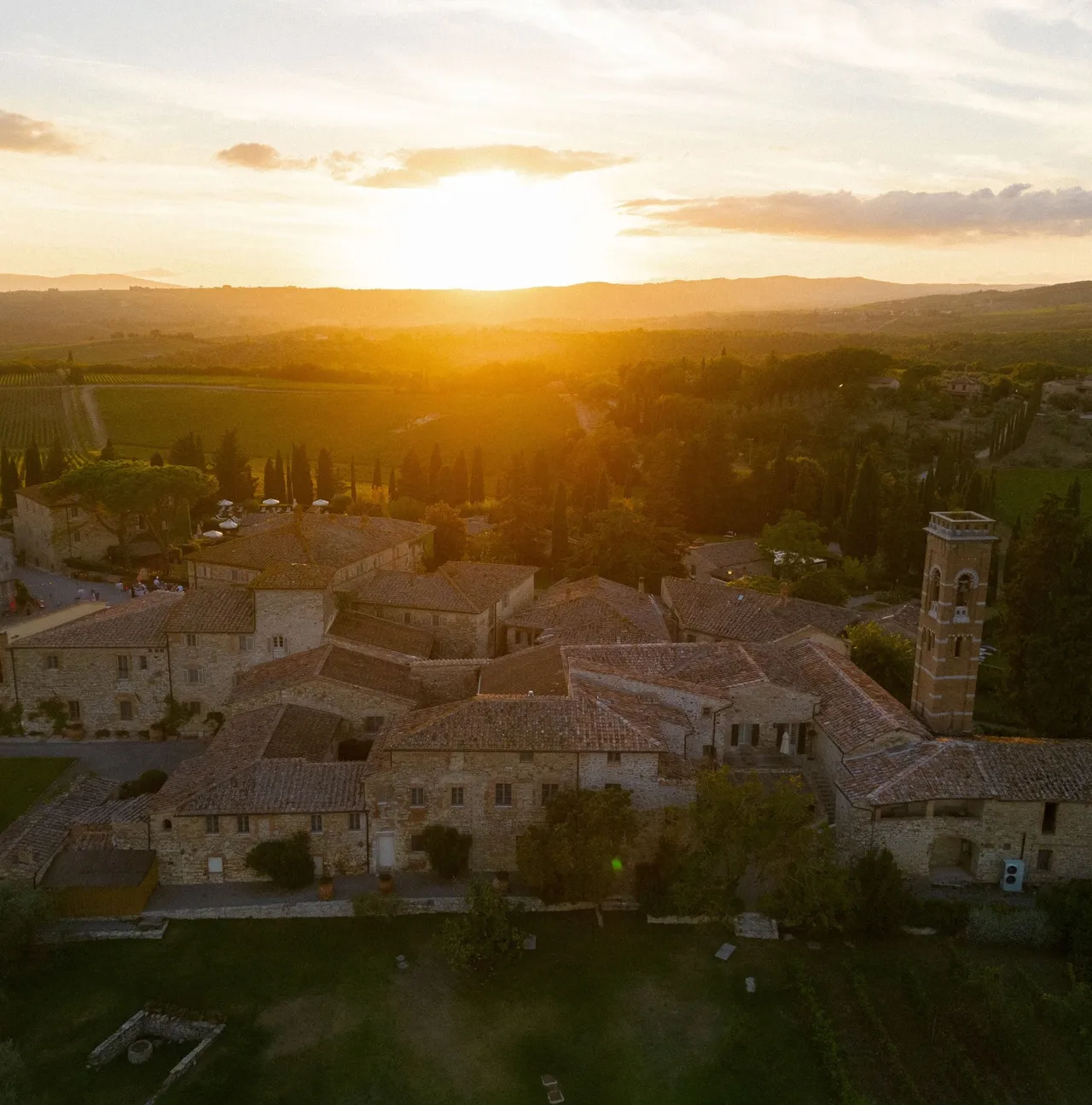 Borgo San Felice
- Maximum capacity
- 135 guests
- Starting budget
- €350,000+
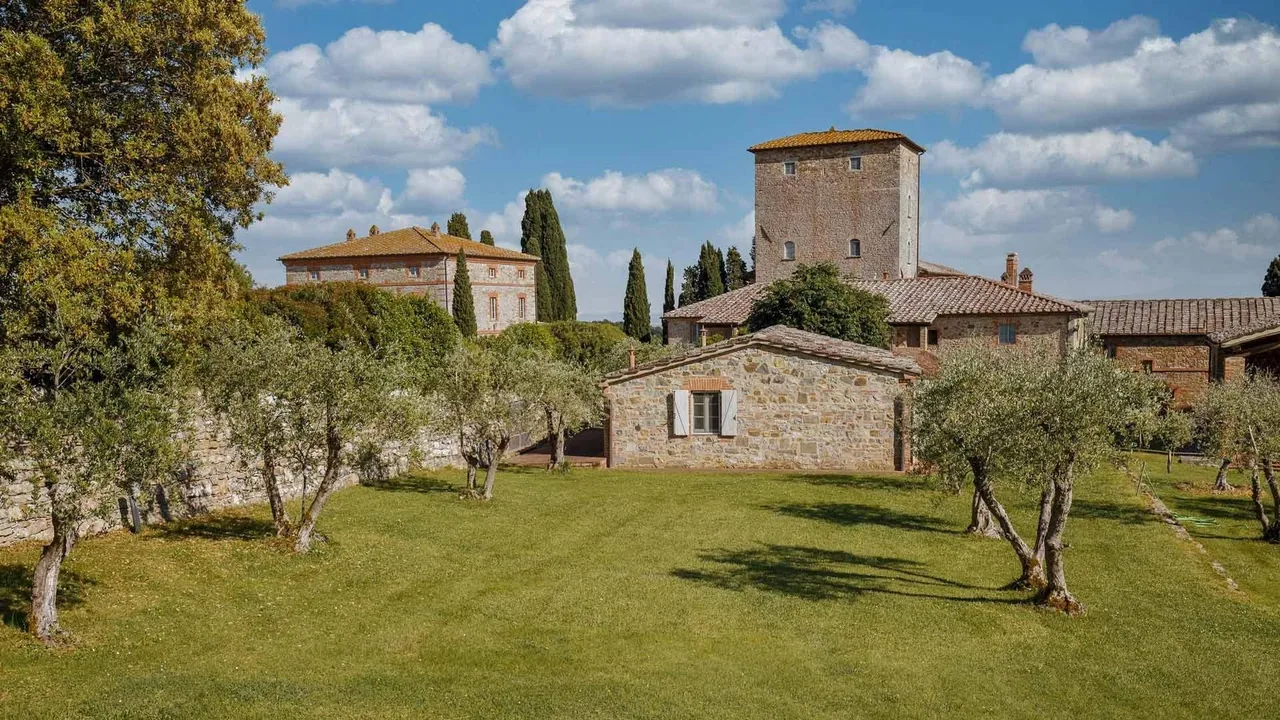 Borgo Scopeto
- Maximum capacity
- 130 guests
- Starting budget
- €250,000+
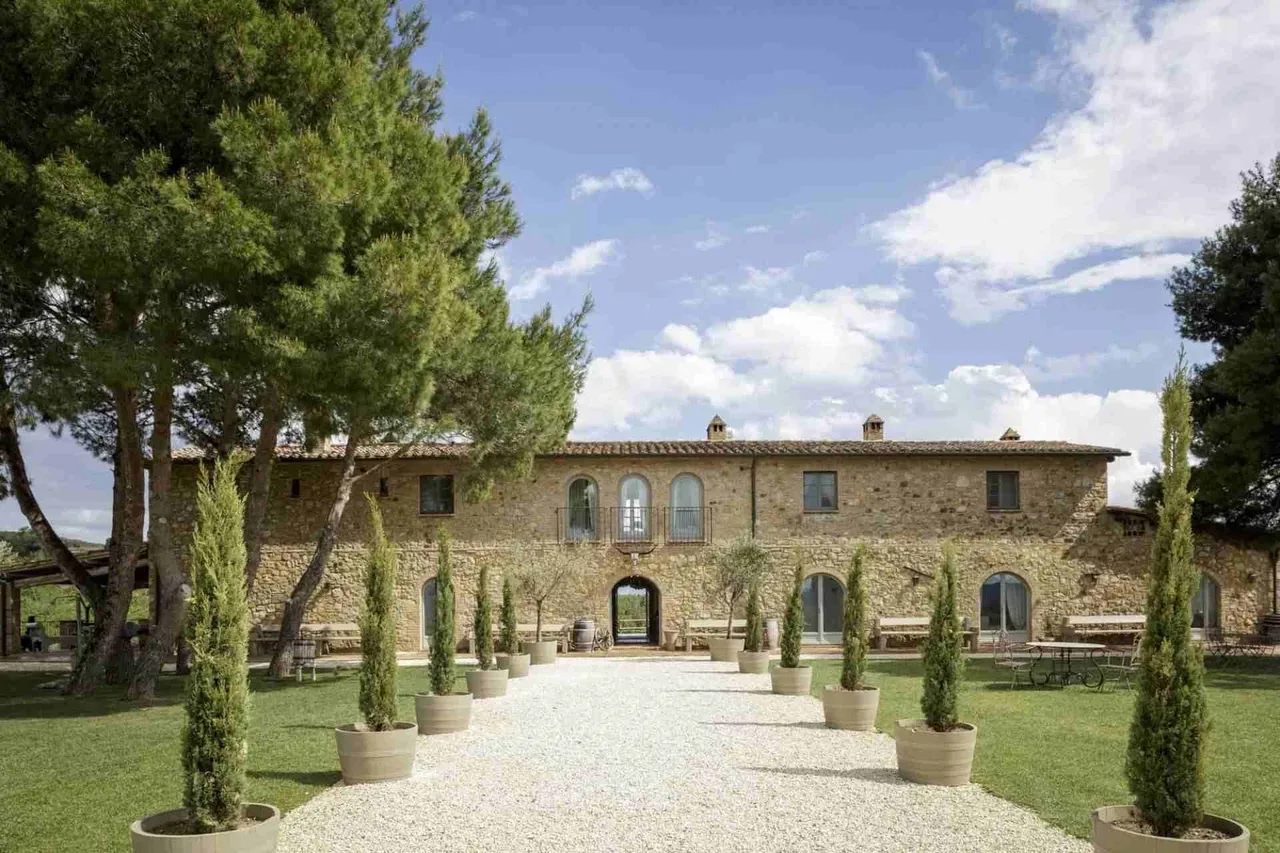 Conti di San Bonifacio
- Maximum capacity
- 130 guests
- Starting budget
- €150,000+
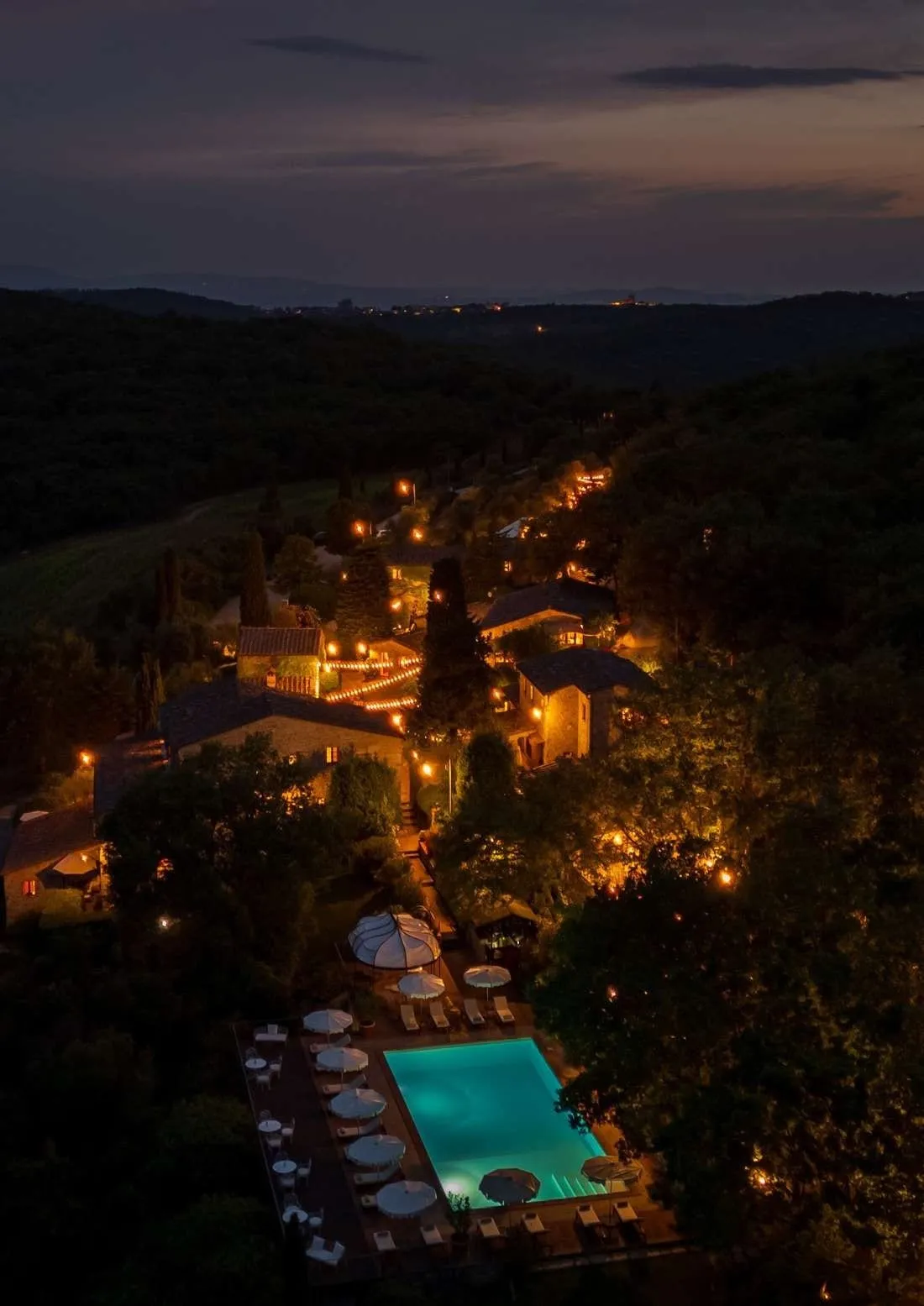 Borgo Vescine
- Maximum capacity
- 100 guests
- Starting budget
- €250,000+
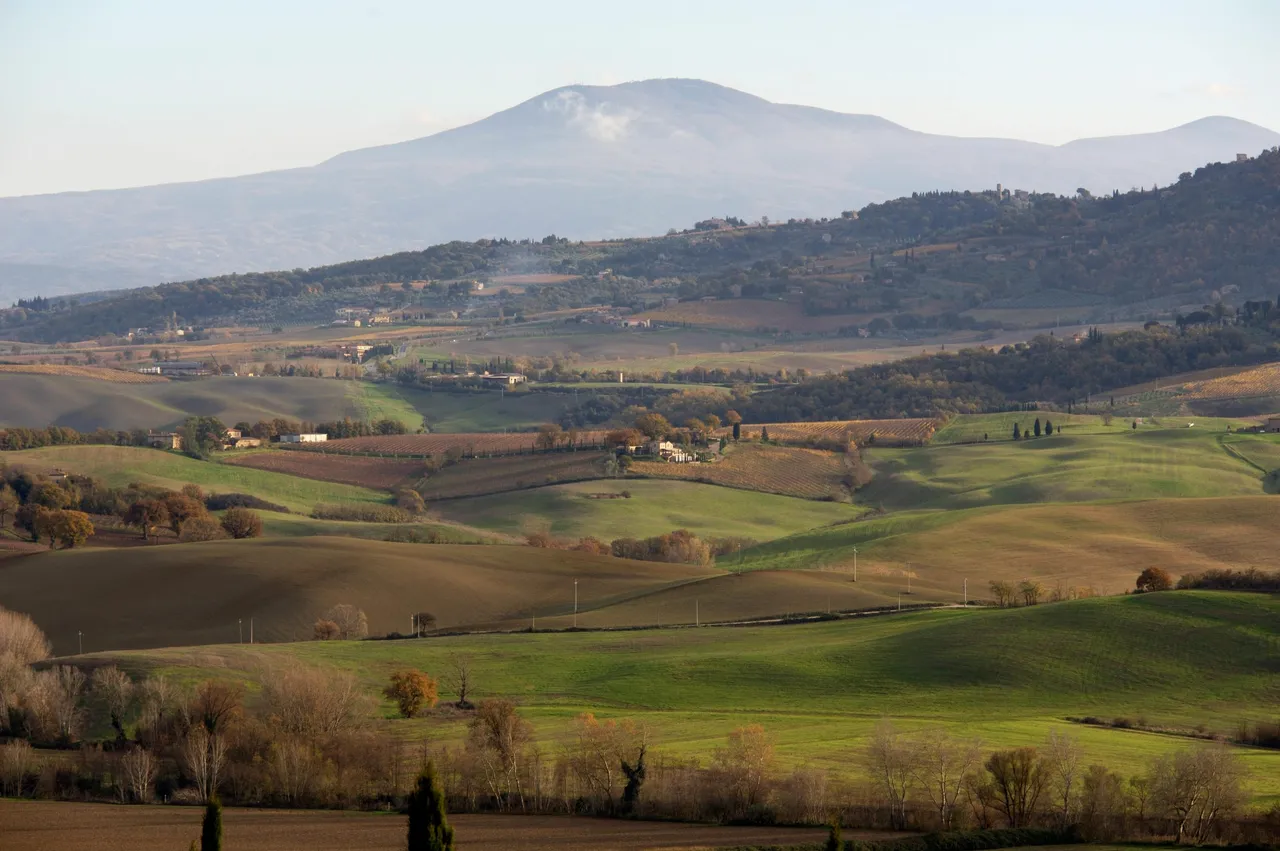 Borgo Finocchieto
- Maximum capacity
- 100 guests
- Starting budget
- €300,000+
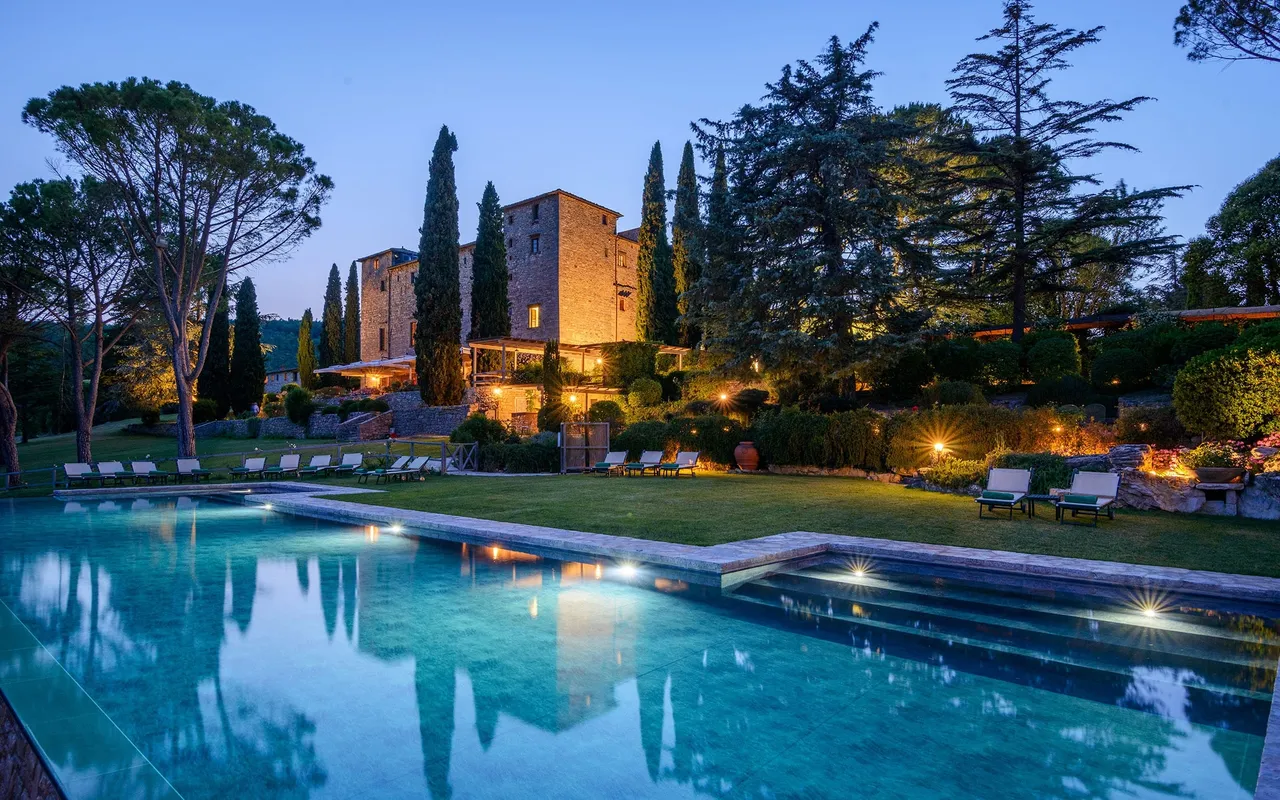 Castello di Spaltenna
- Maximum capacity
- 100 guests
- Starting budget
- €150,000+
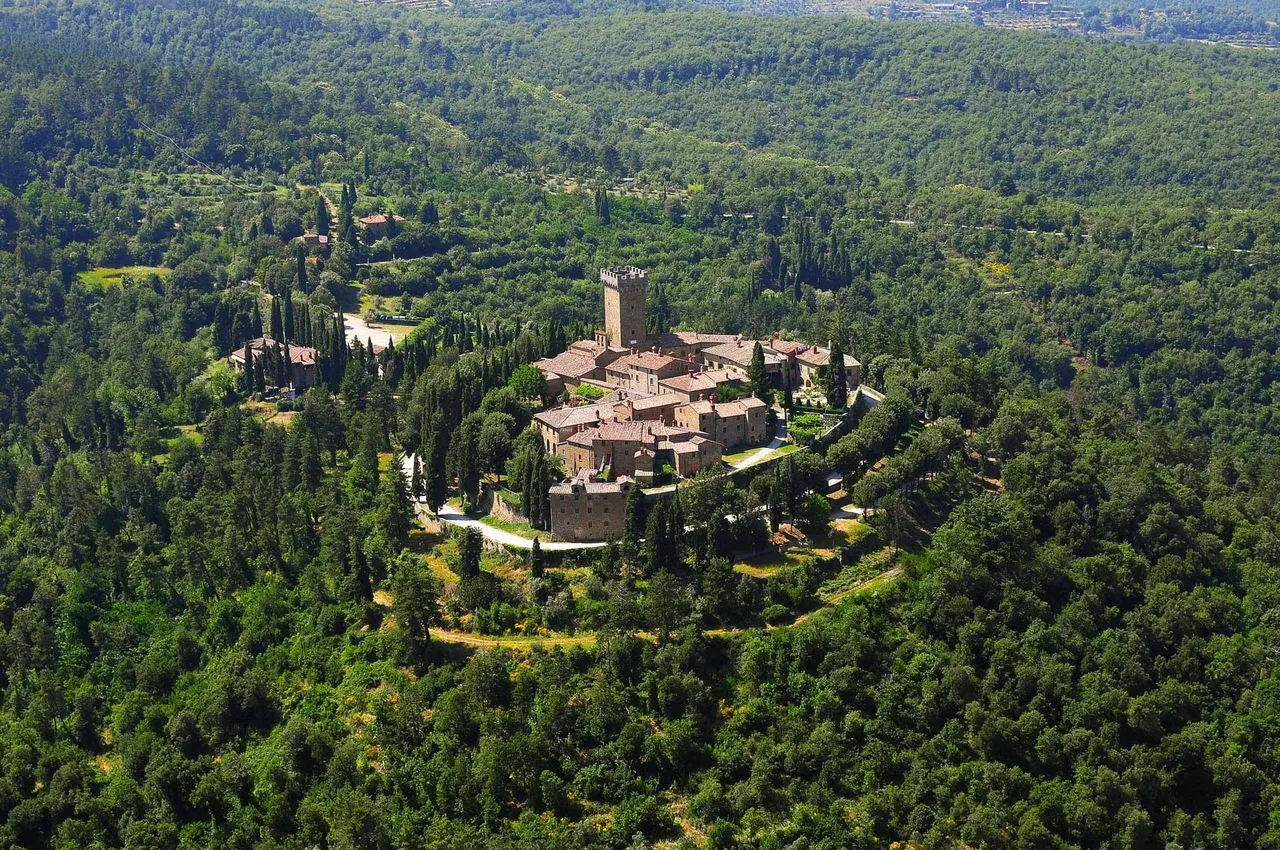 Castello di Gargonza
- Starting budget
- €150,000+
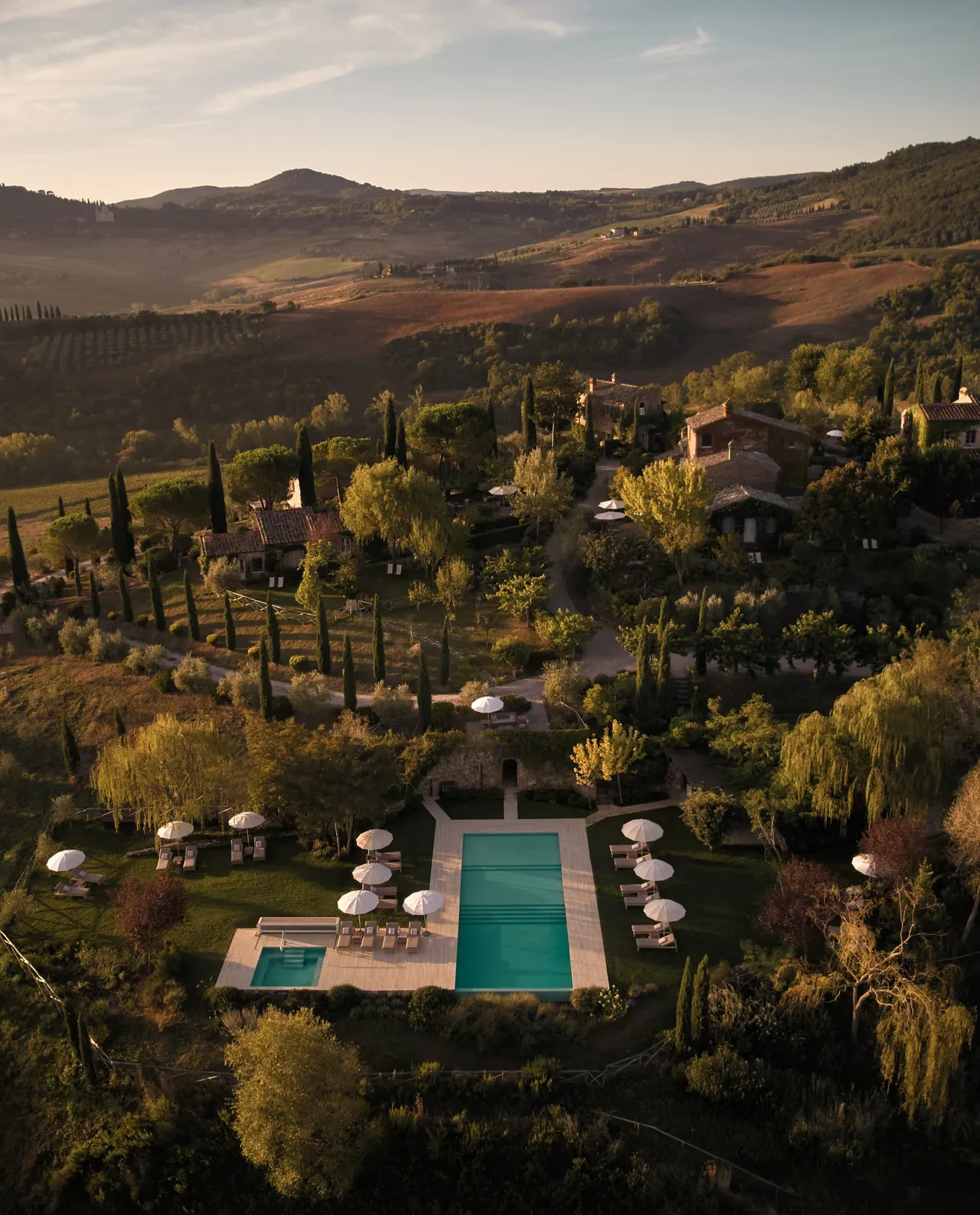 Lupaia
- Maximum capacity
- 36 guests
- Starting budget
- €150,000+
Where to Marry in Tuscany
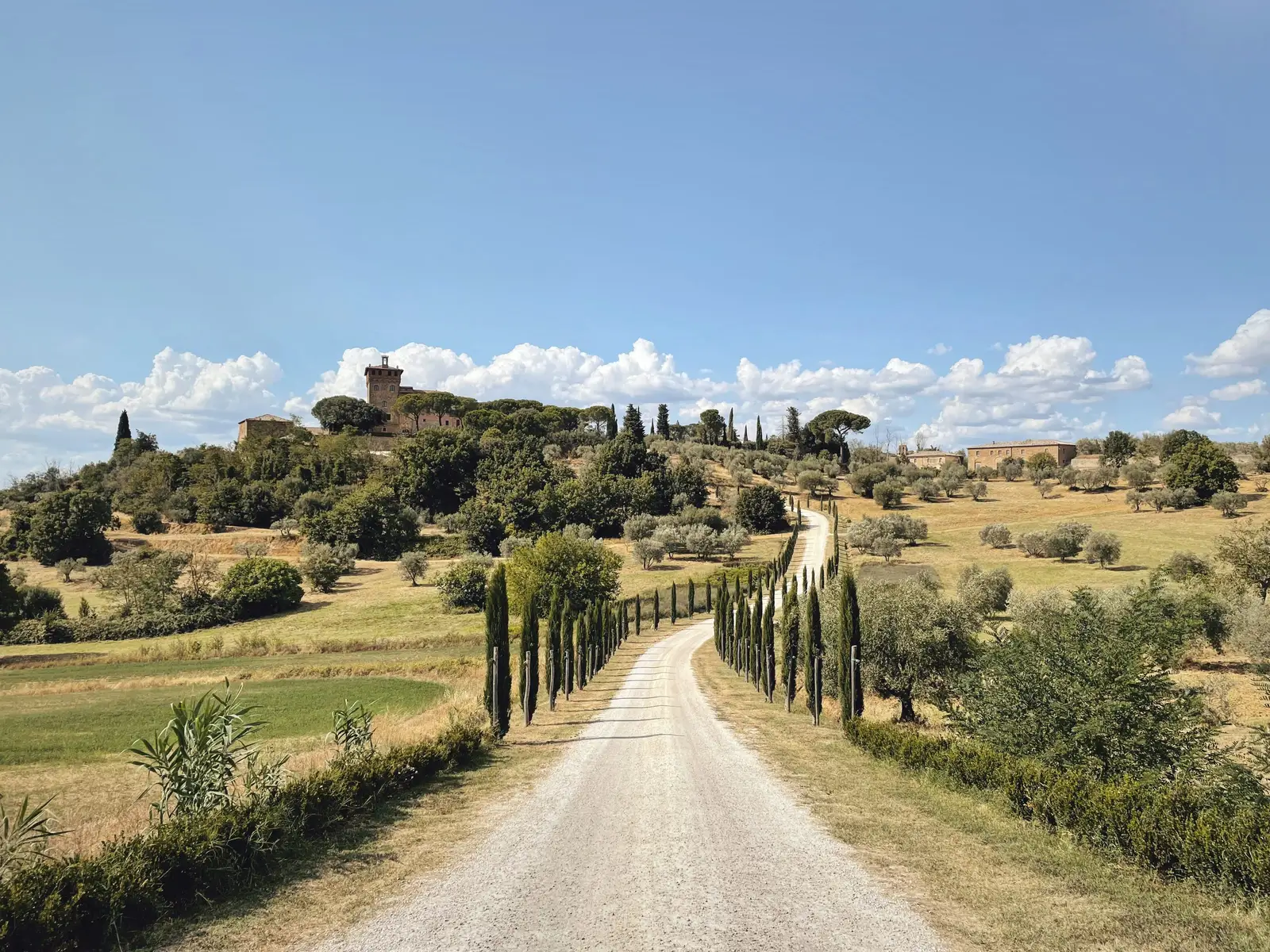
Tuscany is compact by Italian standards and the drives are slower than the distances suggest, because the roads are hill roads and the last kilometre to most of these places is gravel.
Four areas hold everything on this page.
Florence and Fiesole is the choice for a wedding that wants a city underneath it, and it has its own page with the venues on it. Guests spend the days in museums rather than by a pool, and nobody needs a coach. It is also the hottest and busiest part of Tuscany in high summer, and the strictest about noise.
The Siena hills, meaning the country west and south of the city, hold Villa Cetinale and Borgo Santo Pietro. This is the classic Tuscan countryside, close enough to Siena to be useful and rural enough that the noise hour relaxes.
The Val d’Orcia, south past Montalcino, is the postcard: cypress ridges, Brunello vines and the light everyone comes for. Castiglion del Bosco is here, and so is the longest drive from any airport.
The western hills, around Volterra and Casole d’Elsa, are the least visited and the emptiest, with Borgo Pignano and Castello di Casole in them. Etruscan rather than Renaissance, and considerably quieter in August.
Il Borro sits apart from all four, east of Florence in the Valdarno toward Arezzo, which is why it feels different from everything else here.
One planning note that matters more in Tuscany than anywhere. The last approach to most of these estates is an unsealed track, sometimes a long one, and it decides what can be delivered, how coaches arrive and whether guests in heels are walking the final hundred metres. It is one of the first things we establish about an estate.
Can You Legally Marry in Tuscany?
Yes, and of everywhere on this site Tuscany makes it easiest.
There is no residency requirement for foreign couples. The civil ceremony performed here is a legal marriage recognised at home, and a Catholic ceremony carries civil effect in its own right, so a church wedding is legally a wedding rather than a blessing.
The paperwork is the standard Italian set. A nulla osta from your own embassy or consulate stating there is no impediment, passports, birth certificates, sworn translations into Italian, and apostilles where documents were issued outside the EU, with a declaration of intent to the comune. It takes three to six months, and it begins with the embassy.
Then the question that varies by region, and the reason this section is short here.
A civil ceremony in Italy belongs to the comune and the default place for it is the town hall, with individual comuni free to approve external venues. Tuscany has been doing this longer and more widely than anywhere else in the country, because it has had a foreign wedding market for forty years and the comuni built for it. Villas, castles and gardens across the region are approved, and a legal ceremony at your venue is usually available rather than exceptional.
In Puglia the answer moves sharply between neighbouring towns and is often no.
It is still a question rather than an assumption, and it is still asked of the comune rather than the venue. But in Tuscany the expected answer is yes, and that removes the trip to a municipal office on the Friday that shapes so many Italian weddings elsewhere.
Planning a wedding in Tuscany?
INQUIREMusic Curfew and Noise in Tuscany
Set by the comune, as everywhere in Italy, and in Tuscany the split is predictable enough to plan around before you have the number.
Rural comuni are permissive. A villa standing in its own land near Siena, Volterra or in the Val d’Orcia frequently runs to one or two in the morning, because there is nobody within earshot and the comune’s interest is in residents rather than in you.
Florence and Fiesole are the opposite. Venues there have neighbours, the enforcement is real, and the hour is earlier.
So the geography that decides your view also decides your last dance.
That is worth knowing at the shortlist stage rather than the contract stage, because it is not a negotiation. A couple choosing a terrace above Florence is choosing an earlier finish than a couple choosing Cetinale, and no amount of goodwill from the venue changes it.
We get the hour in writing, and we have amplified sound and live music treated separately. A band and a DJ are often treated differently, and where they are, the difference is an hour of the night.
Getting Guests to Tuscany
Three airports serve this region and the right one depends on where the guests are coming from rather than where the venue is.
Florence is closest to most of these venues and the smallest of the three. Short runway, limited route map, and the first airport in Italy to divert when the weather turns, so it is the easiest arrival when it works and the least reliable when it does not.
Pisa carries more European traffic and sits about an hour and a half from Siena, which makes it the better arrival for the western hills and for Volterra.
Bologna is roughly an hour from Florence on a good motorway and has far and away the widest route map of the three. For a guest list scattered across Europe, Bologna often produces better flights than Florence at a cost of one extra hour on the ground.
None of them carries a direct flight from the United States. American guests connect through Rome, Milan, or a European hub, which puts Tuscany at two legs against Sicily’s one in season, and it belongs in the first conversation when the guest list is substantially American.
Once here it is all road, and the last kilometre is the part to plan. Coaches cannot always reach the door on an unsealed track, so the transfer plan for several of these venues ends in minibuses.
Season, Weather and the Harvest
May to October, and September is the month we would choose.
Tuscany is gentler than the Italian south. It reaches the mid-thirties inland in July and August and it cools properly at night, and the hills carry a breeze the Puglian plain does not. That said, an August wedding here is still an August wedding: hot at four in the afternoon, and sharing the region with everybody else’s holiday.
The vendemmia is the argument for September.
Through late September and into October the grapes come in, and the whole landscape shifts from being looked at to being worked. Tractors on the tracks, crates stacked in the yards, and the smell of fermentation around every estate that makes wine, which here is most of them. Guests who have seen a thousand photographs of Tuscany have not seen that, and it is the one week of the year the region offers something the pictures do not already contain.
May and early June are lovely, greener than people expect, and carry real rain risk.
October is a gamble that pays off more often than not, and it is the month where the indoor capacity stops being a detail. A wedding of 150 booked at a venue that seats 70 under a roof is a marquee decision made in advance or a crisis made on the day.
Where Guests Stay in Tuscany
Every property here except Il Borro and Castiglion del Bosco seats considerably more people than it sleeps, which is the familiar Italian pattern, but Tuscany answers it better than Puglia or Sicily do.
The reason is the villa rental market. Tuscany has the deepest stock of private houses to let in Italy by a wide margin, so a guest list can be distributed across three or four farmhouses within fifteen minutes of the venue, each taken by a family or a group of friends, at a cost per head well below hotel rates.
That is a genuinely better guest experience than a block of hotel rooms, and it is the thing Tuscany does that nowhere else on this site can match.
Il Borro is the exception that needs no solving. Guests sleep in the village itself, along the same street as the party, which is why it suits a large wedding better than its capacity alone suggests. Castiglion del Bosco sleeps 178 and comes closest to the same trick.
At the other end, Borgo Santo Pietro’s 22 rooms against 100 seated is the tightest gap here, and the Val di Merse has fewer alternatives than the Chianti. We solve that one before the guest list goes out.
We take the venue’s own rooms for family first, then two or three houses within a quarter of an hour, and publish one guest page with drive times and what each house holds.
Magic Day Insights
Compare the all-in, never the hire. A hotel hire and a bare villa hire are different products sold under one word, and the villa is often the more expensive wedding once the kitchen arrives on a lorry. This is the single most common budgeting mistake in the region.
The indoor capacity is the number that decides October. Several of these seat two or three times as many people outdoors as under a roof, and the smaller figure is the one that matters. It is not in most brochures, so we get it in writing.
The last kilometre is unsealed. The approach to most Tuscan estates is unsealed, and it governs deliveries, coach access and whether guests arrive at the ceremony dusty. It has scuppered more timelines here than weather has.
Power is a real question at a private villa. A band, a kitchen and a lighting rig will exceed what a 15th-century supply provides. Generators are normal here, and pricing them late is how a budget moves by five figures in one conversation.
The comune says yes more often in Tuscany. Forty years of foreign weddings means most comuni approve external venues, so the legal ceremony can usually happen where the party does. We confirm it with the comune rather than the estate, every time, because the estate’s answer is about habit and the comune’s is about law.
September is worth moving the date for. The harvest turns the landscape from a backdrop into a working place, and it is the one thing guests have not already seen in photographs.
Bologna beats Florence by air. Guests default to Florence, which is small and the first to divert. Bologna is an hour further by road and frequently two hours better by air.
Tuscany has been done, and that is the brief. Everybody at your wedding has seen a Tuscan wedding. The venues that still surprise people are the ones on the page that are not a villa with a cypress avenue, and choosing well here matters more than it does in a region nobody knows.
Common Questions
How much does a Tuscany wedding cost?
A Tuscany wedding runs €40,000 to €250,000 all-in for 40 guests, €80,000 to €500,000 for 80, and from €150,000 at 150. Catering is €150 to €350 a head. The figure to interrogate is the hire, because Tuscany sells two things under one word: a hotel hire that includes a kitchen, a staff and a floor, and a bare villa hire that includes walls and a garden. The second looks cheaper and frequently is not, once the kitchen and the furniture arrive on lorries. Magic Day weddings in Tuscany start from €100,000.
What are the best wedding venues in Tuscany?
Six in the countryside, with the Florence venues on their own page. Il Borro in the Valdarno is a medieval village restored by the Ferragamo family and seats 250. Rosewood Castiglion del Bosco takes 200 outdoors in the Val d'Orcia. Villa Cetinale near Siena takes up to 100, Borgo Pignano sits above Volterra, Castello di Casole spreads over 4,200 acres, and Borgo Santo Pietro is the 22-room farmhouse for a wedding of about 100.
Can you legally get married in Tuscany?
Yes, and Tuscany is the easiest region in Italy for it. There is no residency requirement, and the civil ceremony performed here is a marriage recognised at home. You need a nulla osta from your own embassy stating there is no impediment, plus passports, birth certificates, sworn translations and apostilles where documents came from outside the EU. It realistically takes three to six months. Tuscan comuni approve external venues more readily than anywhere else in the country, so a legal ceremony at the villa is usually available rather than exceptional.
What time does music have to stop at a Tuscany wedding?
It is set by the comune, and Tuscany splits along a line that is easy to predict. Rural comuni around Siena, Volterra and the Val d'Orcia are generally permissive, and a villa standing alone in its own land often runs to one or two in the morning. Florence and Fiesole are stricter, because the venues there have neighbours and the city enforces. We get the hour in writing at contract stage, with live music and amplified sound treated separately.
How many guests can you have at a Tuscany wedding?
Up to 250 at Il Borro and 200 outdoors at Rosewood Castiglion del Bosco. Borgo Pignano takes 120, Villa Cetinale 100 and Borgo Santo Pietro about 100. The indoor figure is often far lower: Castiglion del Bosco seats 200 outside and 45 to 70 in a room, so a wet October evening there is a different wedding from the one in the brochure.
Which airport is best for a Tuscany wedding?
Florence for convenience and Pisa or Bologna for choice. Florence airport is close to the city and small, with a short runway and a limited route map, so it is the easiest arrival when it works and the first to be disrupted. Pisa is about an hour and a half from Siena, and Bologna is roughly an hour from Florence with far better European connections. None of the three carries a direct flight from the United States, so American guests connect through Rome, Milan or a European hub.
When is the best time to get married in Tuscany?
June and September, and September for preference. The season runs May to October. July and August are hot and busy, and while Tuscany is milder than Sicily or Puglia it still reaches the mid-thirties inland. September brings the vendemmia, when the vines are picked and the whole landscape is working rather than posing, which is the one time of year Tuscany offers guests something the photographs have not already shown them.
Do you need a wedding planner in Tuscany?
For a villa wedding, yes, because a Tuscan villa hire is frequently a building rather than a service. No kitchen you can cook 150 covers in, no staff, no furniture, and sometimes not enough power, so the wedding is built from suppliers who arrive over two days. There is also a comune that sets your music hour and rules on the civil ceremony, a nulla osta that takes three to six months, and guests connecting through a third country. Magic Day has planned weddings across 11 countries since 2008.
Planning a wedding in Tuscany?
Thank you — we have it.
One of our planners will be in touch personally, usually within one working day.