
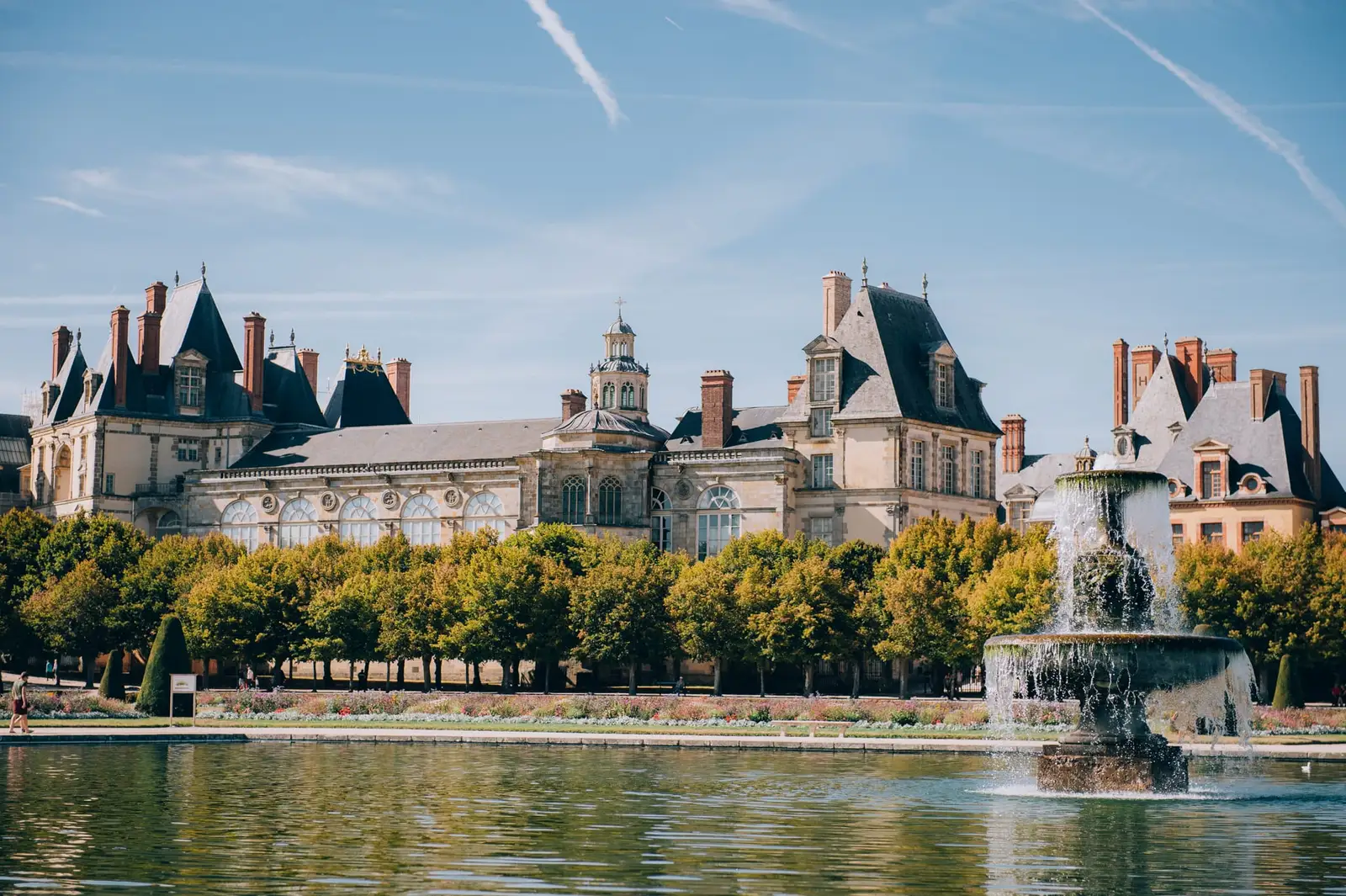
What a Château Wedding in France Costs
A château wedding in France runs €100,000 to €500,000 all-in for 40 guests, €150,000 to €1,500,000 for 80, and from €350,000 at 150. Magic Day weddings at a château in France start from €100,000.
Venue hire is the figure couples ask for first, and the least useful one on the page. A gallery at a monument hires for an evening, or a house for a weekend, for a fraction of what the wedding costs, and nothing a wedding needs is in it: not the food, the furniture, the light, the rooms or the coaches.
So here is where a wedding at each of these châteaux realistically lands, all-in, with the figure it starts from:
- The Palace of Versailles: near €1.5 million, from €1 million
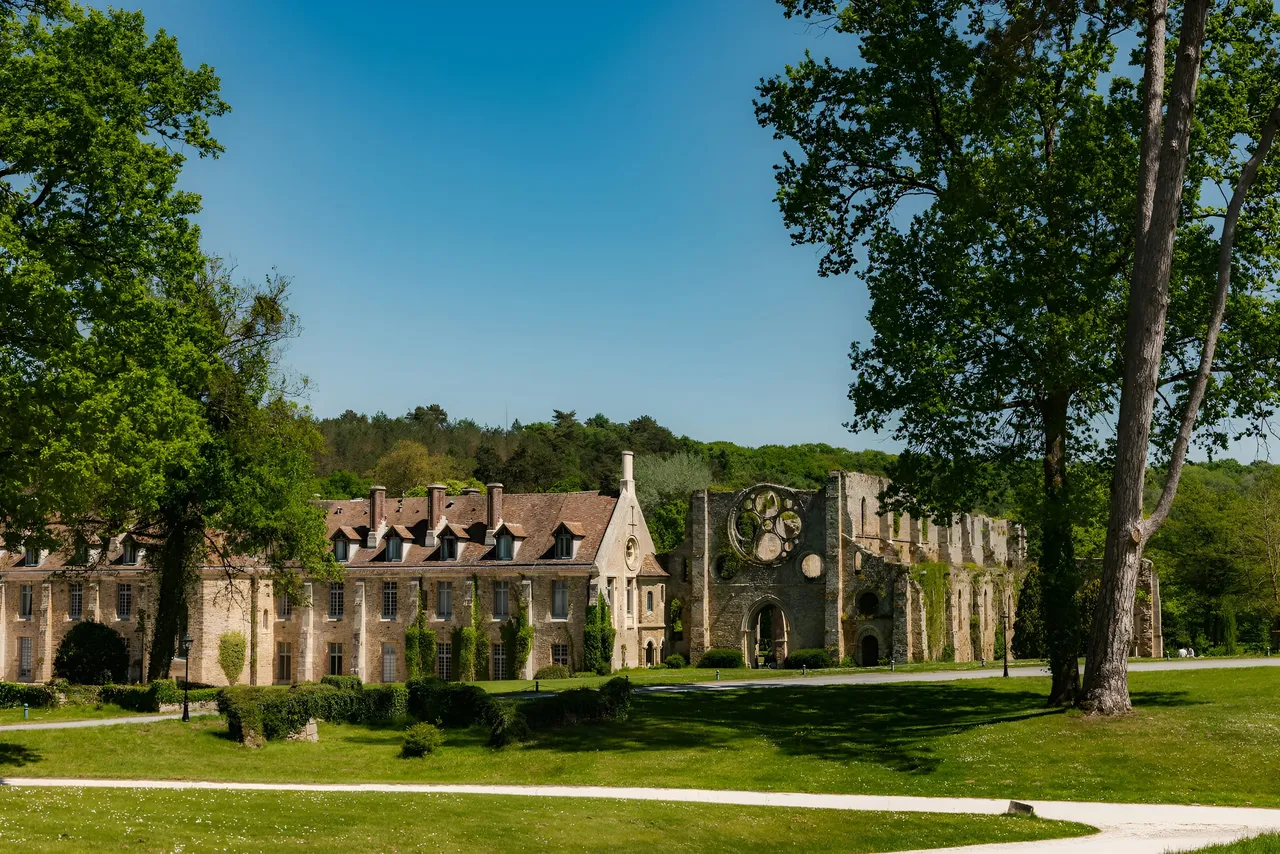
- Abbaye des Vaux-de-Cernay, taken whole: near €1.6 million, from €1.1 million
- Vaux-le-Vicomte: near €1 million, from €500,000
- Château de Chantilly: near €750,000 under a marquee, from €500,000, and near €300,000 in its galleries, from €200,000
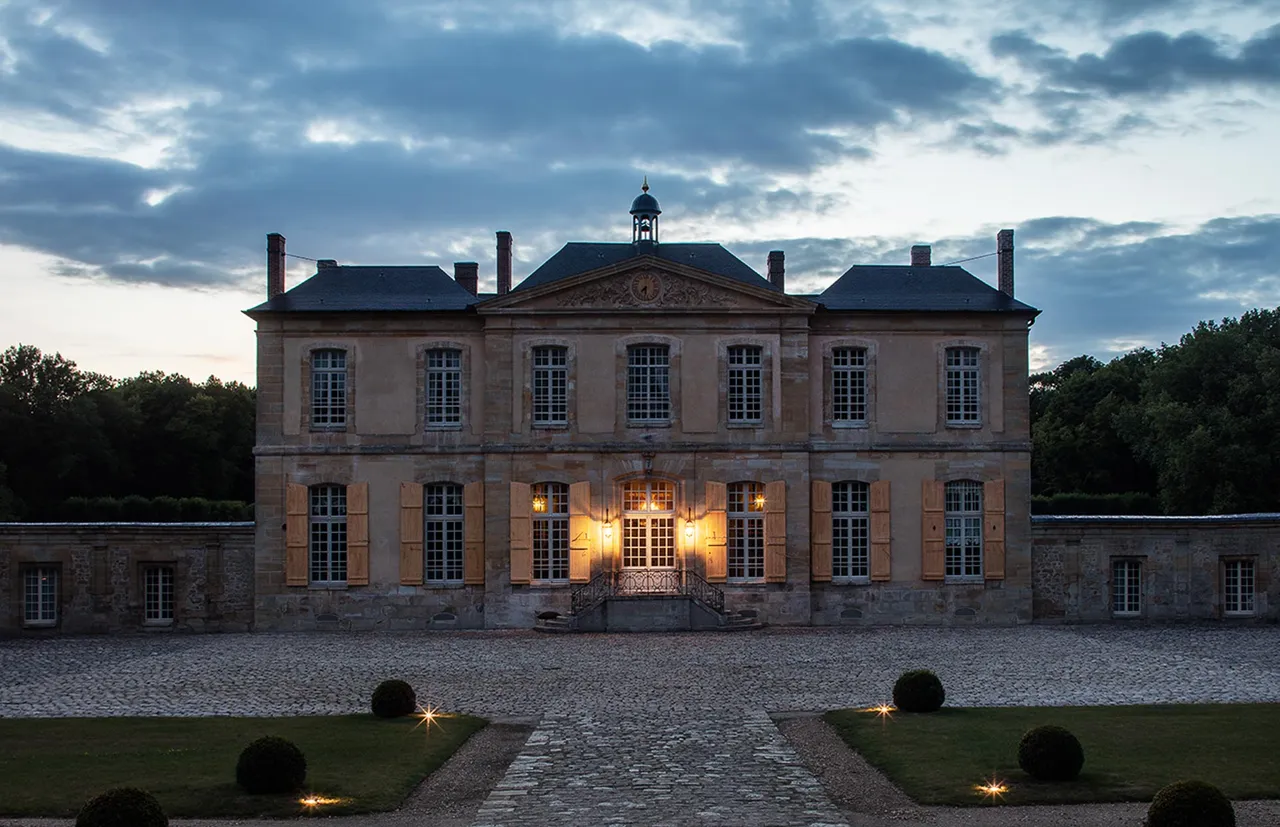
- Château de Villette: near €450,000, from €300,000
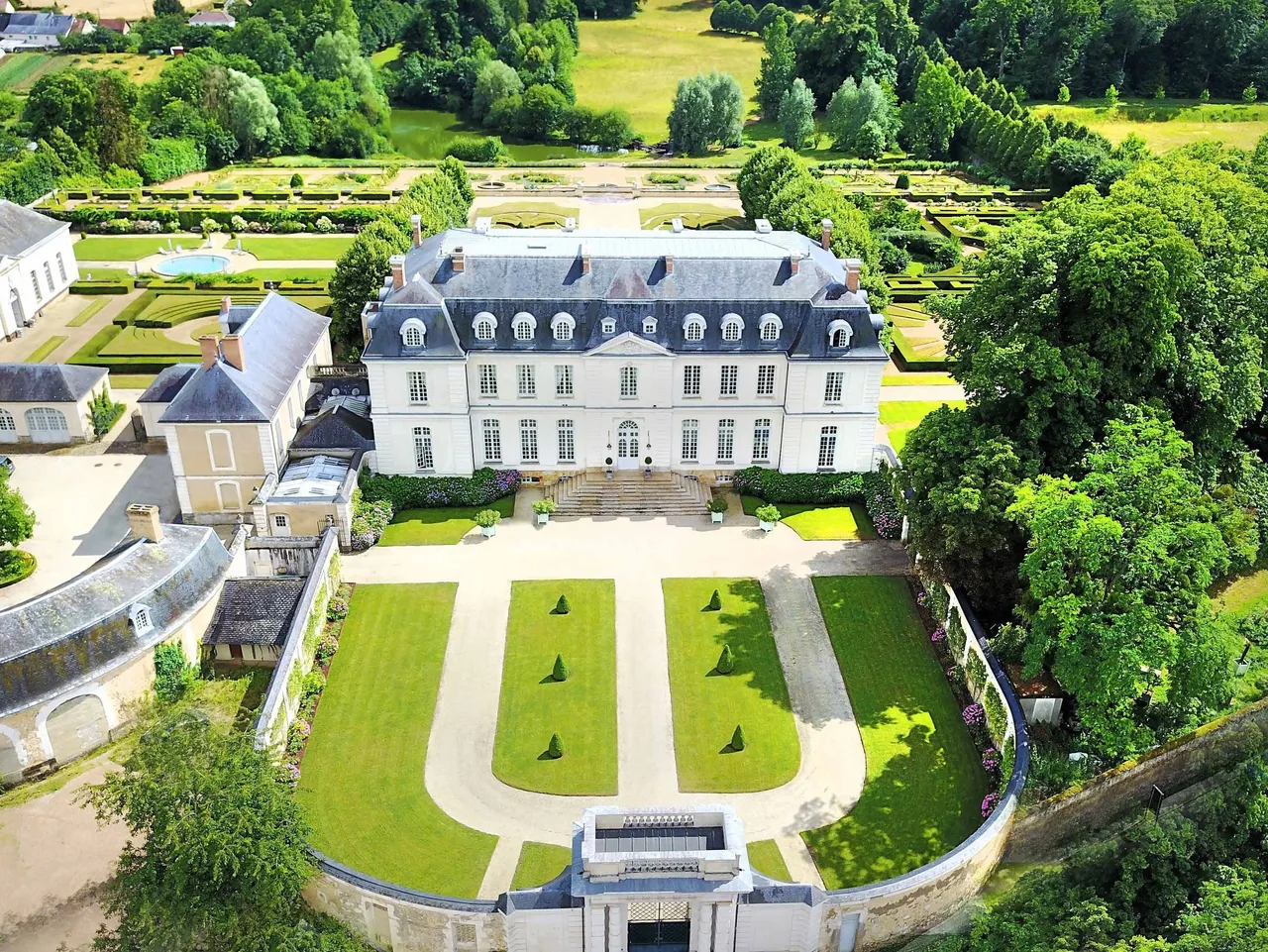
- Château du Grand-Lucé: near €350,000, from €200,000
- Château Challain and Château de Vallery: near €250,000, from €150,000
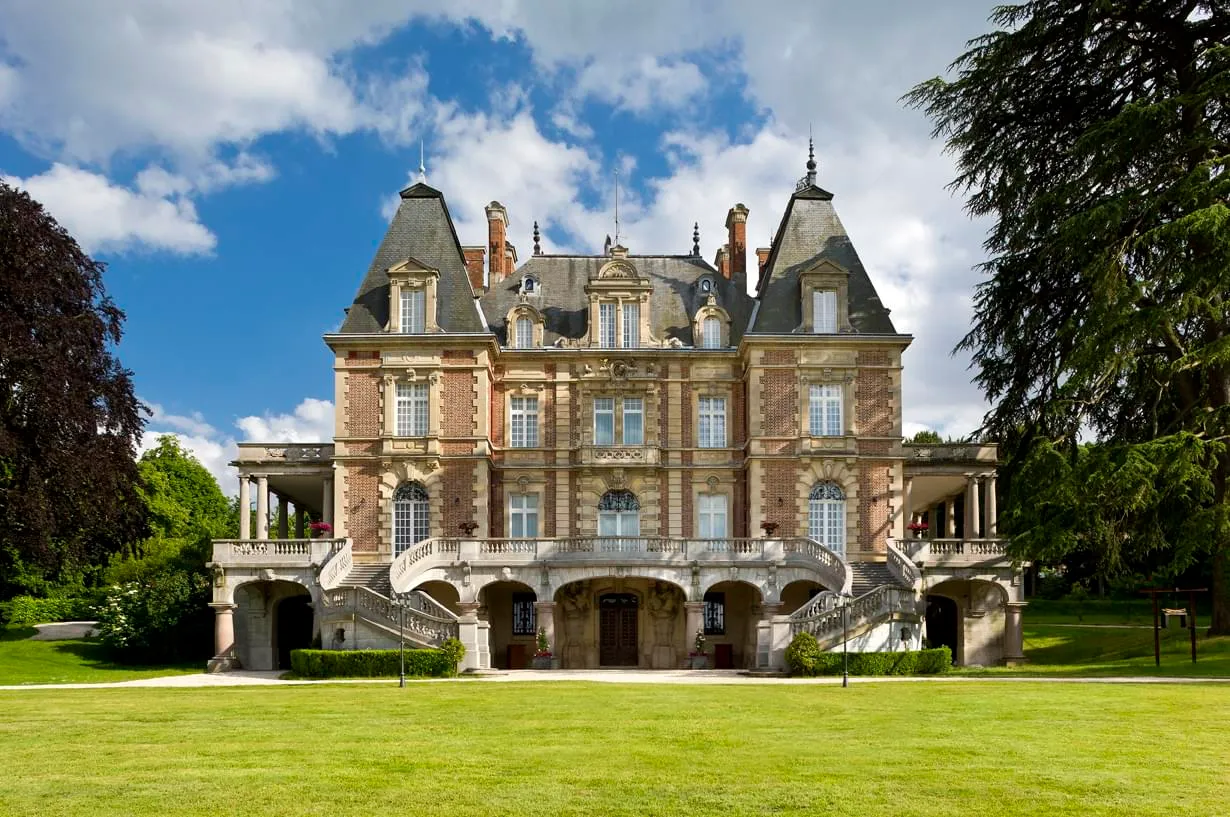
- Château Bouffémont: near €150,000, from €100,000
The spread follows the kind of château more than its grandeur. At a monument everything comes in on a truck, the kitchen to cook in, the furniture to eat at and the lighting to see by, and all of it leaves the same night inside a window the site sets. There are no bedrooms, so 150 guests means 150 rooms somewhere else and coaches at both ends.
The château-hotels and the houses taken whole invert it: a kitchen already standing, rooms upstairs, and a total that is easier to predict in the first meeting than in the ninth.
French Château Wedding Planner
Magic Day has been established in Paris at 63 Av. Franklin Delano Roosevelt since 2008.
Magic Day has run the Île-de-France châteaux from a team in Paris since 2008, and works the private estates in Provence, on the Riviera and in the Loire from the offices there.
What a château’s hire covers is the question that decides everything else, and it splits along the same line this whole page splits along.
A monument hires you a space, a security cost and a cleaning cost. A château-hotel hires you a space with a kitchen and rooms behind it. An estate on buyout hires you a house. None of the three plans a wedding, and at the first of them almost nothing exists until somebody brings it.
What falls to a French château wedding planner is therefore largest exactly where the hire looks cheapest. A full temporary kitchen, furniture for 300, lighting a room that has none, a supplier list you cannot leave, coaches at both ends, 150 hotel rooms in another town, and a load-out at an hour a conservator decided.
Being in Paris rather than visiting matters more for the monuments than for anything else we do. These are institutions rather than businesses, they move at an institutional pace, and the relationships that get an evening released are built over years and in person.
There is a case for a French château wedding planner who has worked the monuments rather than only the estates. Availability sets your date before anything else does. Load-out sets your timeline. The supplier list sets your menu.
And the bedrooms, or the absence of them, set where 150 people sleep. Every one of those is easier to design around than to discover in week eleven.
Château Wedding Venues in France
Château is not castle
Half the couples who write to us about this say castle, and they are usually picturing something France mostly does not rent: towers, battlements, a moat, a building raised to be defended.
French keeps those apart. A château is a country house built to be looked at, and the fortified kind has a name of its own, a château fort. Almost every great house on this page is the first sort, which is why they have windows the size of doors and no arrow slits.
Two things follow from that. If what you want is the house, the gravel and the avenue, then château is the word and everything below is yours.
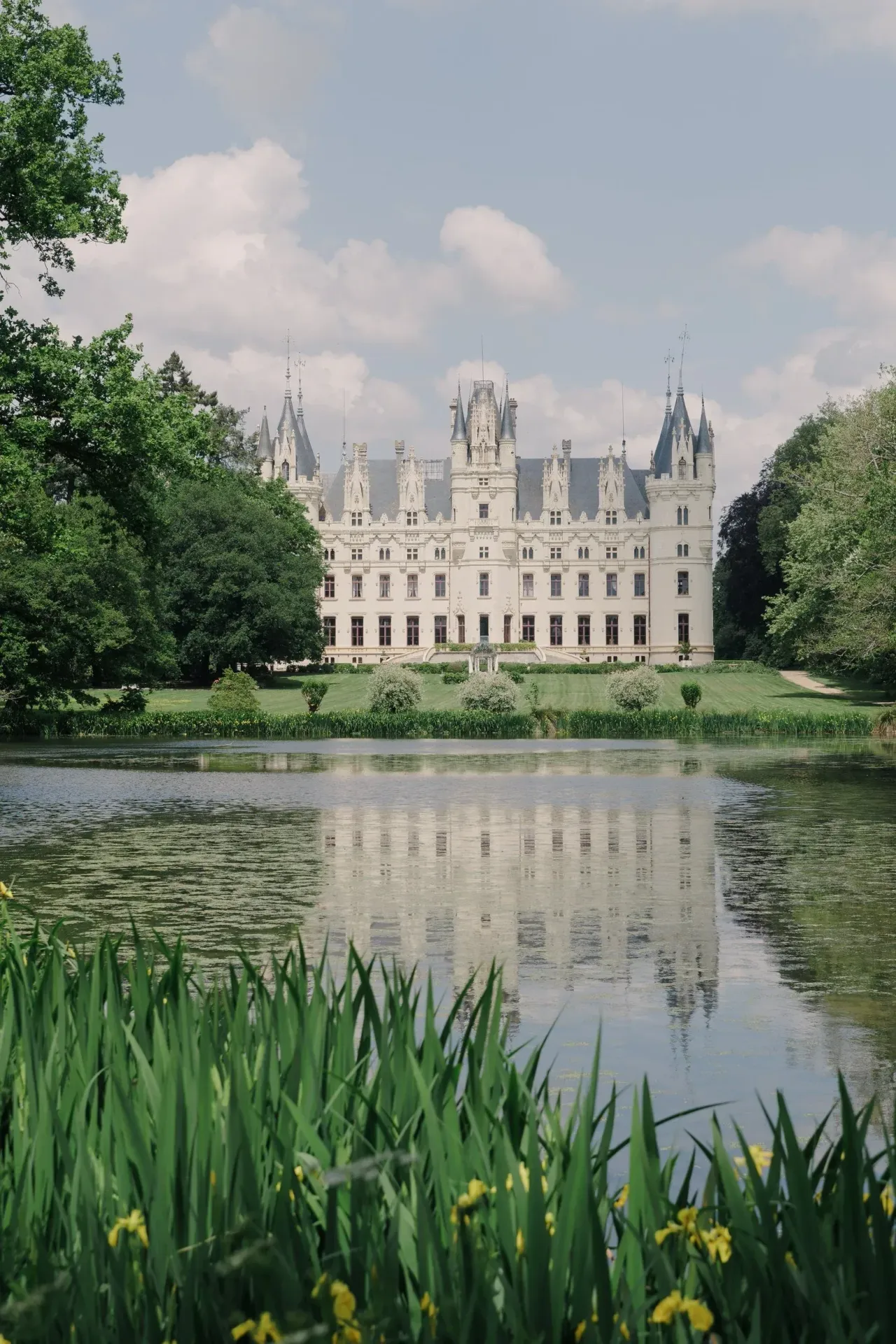
If what you want is the castle, the nearest we hold are Château Challain in Anjou, neo-Gothic and built in the 1850s to look four hundred years older than it is, and Château de la Napoule on the Riviera, a medieval ruin rebuilt between the wars with ramparts over the sea. Both photograph exactly as people imagine a French castle wedding. Neither has been a fortress in the sense the English word promises for a very long time.
Three different purchases
The word château does a lot of work in French, and couples arrive using it to mean three incompatible things.
The first is a monument. Versailles, Fontainebleau, Chantilly and Vaux-le-Vicomte belong to the state, to a foundation or, at Vaux, to a family, open to the public by day, and hire out a limited number of dates a year around their visitors. They are the grandest rooms in France and they have no bedrooms at all.
The second is a château-hotel. A historic building running as a hotel, with a kitchen, a licence and rooms upstairs. Abbaye des Vaux-de-Cernay, near Paris, has 144 of them, and Château du Grand-Lucé, in the Loire, 19.
The third is a house you take whole. Château de Villette and Château Bouffémont north of Paris, Château de Vallery in Burgundy, Château Challain in the Loire, the estates on the Provence page, most of what people mean when they picture a private château wedding. You get the keys, the rooms and the grounds, and you bring the wedding in with you.
What a château sleeps matters more than what it seats. It sorts these three kinds instantly, and it is the fact that decides the wedding.
A monument
Palace of Versailles is the largest and most heavily protected private-event address in France, a palace receiving some eight million visitors a year that releases a handful of evenings against them.
Château de Chantilly, the house of the Montmorencys and the Condés, was rebuilt by the duc d’Aumale to hold the Musée Condé and sits in a park around a French garden by Le Nôtre, under an hour from Paris and half an hour from Charles de Gaulle. Its galleries take a wedding of up to 160 for the evening, and a marquee on the Terrasse d’Enghien one of any size.
Vaux-le-Vicomte is the château that got its owner arrested. Nicolas Fouquet put Le Vau, Le Brun and Le Nôtre on one project, gave Louis XIV a fête here in August 1661 and was in prison within three weeks, and the king took all three men to build Versailles. It is still privately owned, an hour from Paris, with dinner for 200 under the dome of the Grand Salon, a marquee of any size in the grounds, and the garden lit by candles.
A château-hotel
Abbaye des Vaux-de-Cernay is not a château and belongs here anyway: a Cistercian abbey founded in 1118 in the Haute Vallée de Chevreuse, fifty minutes from Paris, the Rothschilds’ country house in the nineteenth century and a Paris Society hotel since 2023. It is taken whole for the weekend, with 144 rooms that sleep the entire wedding and dinner for up to 220 in the monks’ candlelit refectory.
Château du Grand-Lucé is a neoclassical house finished in 1764 for the baron of Lucé, a confidant of Louis XV, in 80 walled acres south-east of Le Mans, restored by the American designer Timothy Corrigan and a hotel since 2019. It is taken whole for a weekend, with 19 rooms that sleep 44 and a ballroom in the old stables for a wedding of up to 100.
A house you take whole
Château de Villette is Le Petit Versailles, forty-five minutes north-west of Paris in the Vexin: a château finished by Jules Hardouin-Mansart, a park of 75 hectares attributed to Le Nôtre, and the chapel where Sophie de Grouchy married Condorcet in 1786. Seven suites decorated by Jacques Garcia, and dinner for up to 200 in its Glasshouse.
Château Bouffémont is a Second Empire château of 1860 on the edge of the Montmorency forest, forty minutes north of Paris and twenty-five from Charles de Gaulle, where three generations of the Empains lived for half a century. Dinner for up to 150 in three salons opened into one, and dancing on the garden level until four.
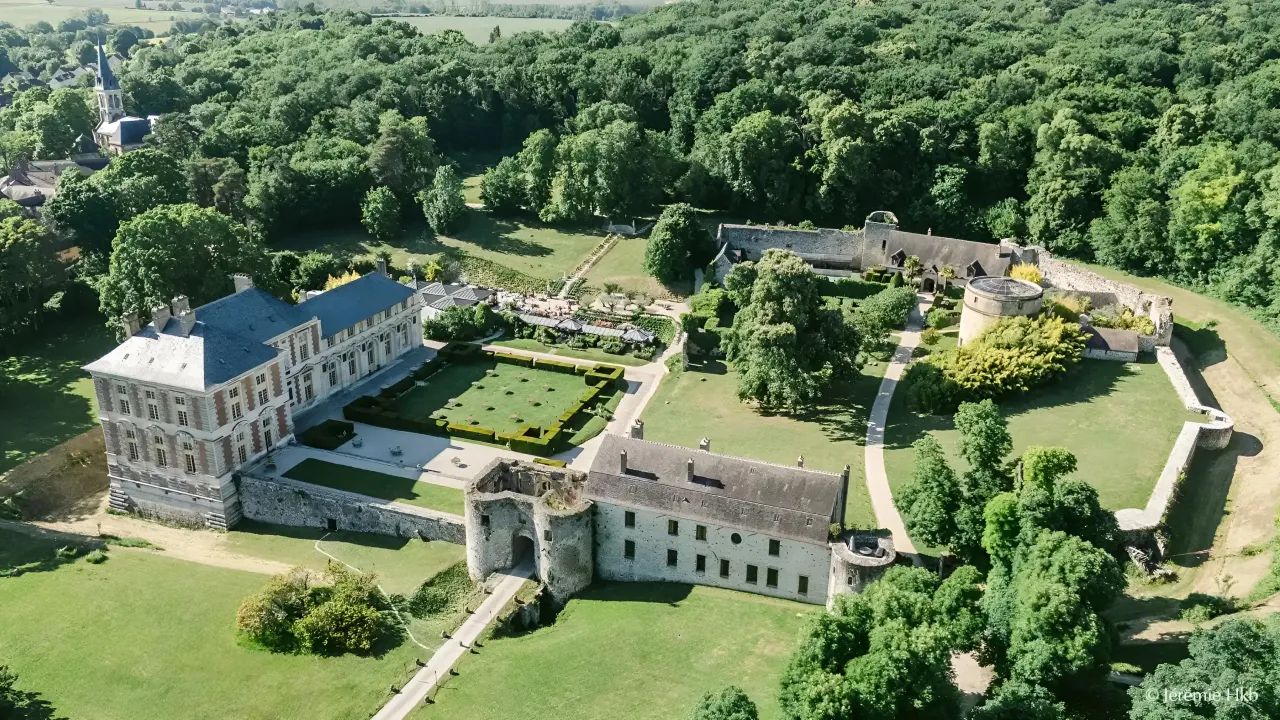
Château de Vallery is Pierre Lescot’s Renaissance château for a marshal of Henri II, on the site of a twelfth-century fortress in northern Burgundy, an hour and a half from Paris, and the Condés’ house for almost two centuries. Twenty-eight rooms sleep 60, the Music Room seats 330, and there is no curfew at all.
Château Challain is neo-Gothic and unapologetic, built between 1847 and 1854 by René Hodé in the Troubadour style, in the Anjou countryside four hours from Paris: the château that looks the way people who have never been to France imagine one looks. Twenty-one suites for 50 guests, its own kitchen and florists, and packages for up to 100.
Château de Fontainebleau Wedding
Eight hundred years of French monarchy in one building, from Louis VII to Napoleon, who signed his abdication on a table still in the room. Fifteen hundred rooms and 130 hectares of park and garden an hour south-east of Paris, and far less visited than Versailles.
The Galerie des Cerfs is the only room inside the palace that makes sense for a wedding: Henri IV’s gallery, 74 metres long and lined with twenty stag heads, seating 250 for dinner and 350 standing. Its published event rates are not wedding rates, and a wedding at Fontainebleau starts above €150,000.
As at every monument, catering, kitchen, furniture, lighting, sound, flowers and the people to run them all arrive with you and leave that night.
We use Fontainebleau for the wedding that wants a room no private house can offer, for up to 250 at dinner, with guests staying in the town or in Paris. It is nothing like the cheapest château in France and nothing like the easiest.
Venue guides at a château in France
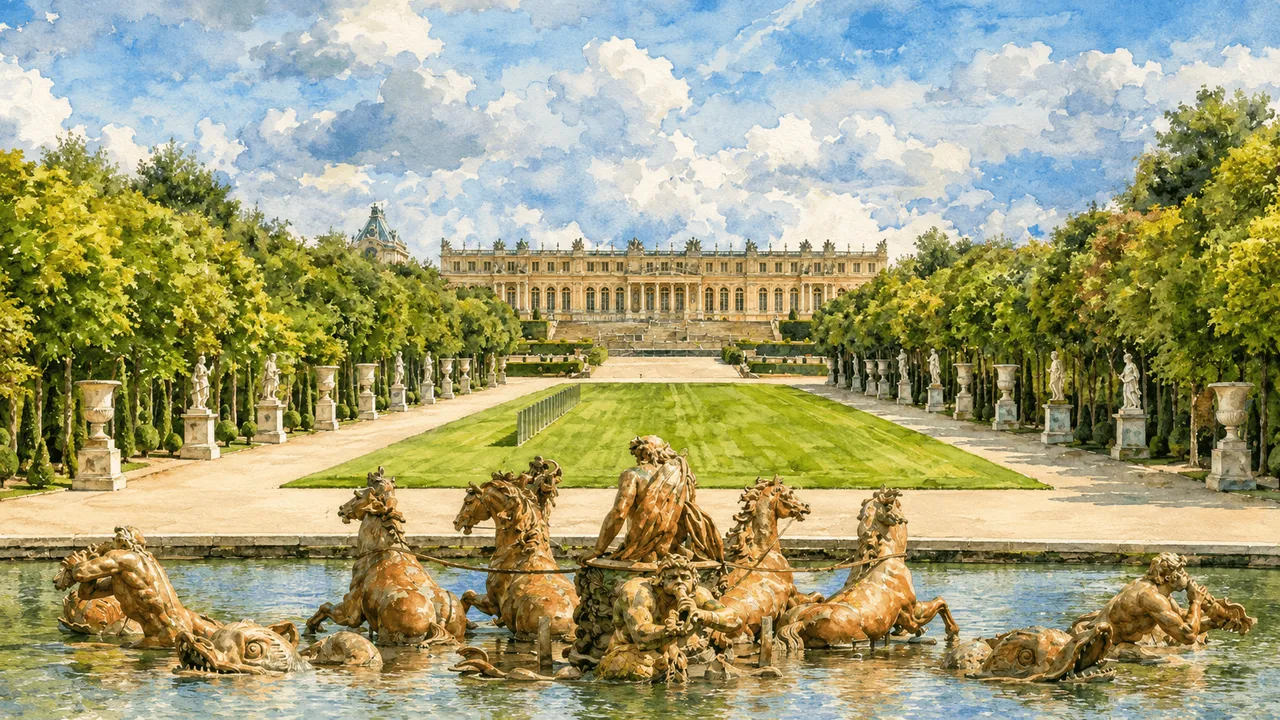 Palace of Versailles
- Maximum capacity
- 1,000 guests
- Starting budget
- €1,000,000+
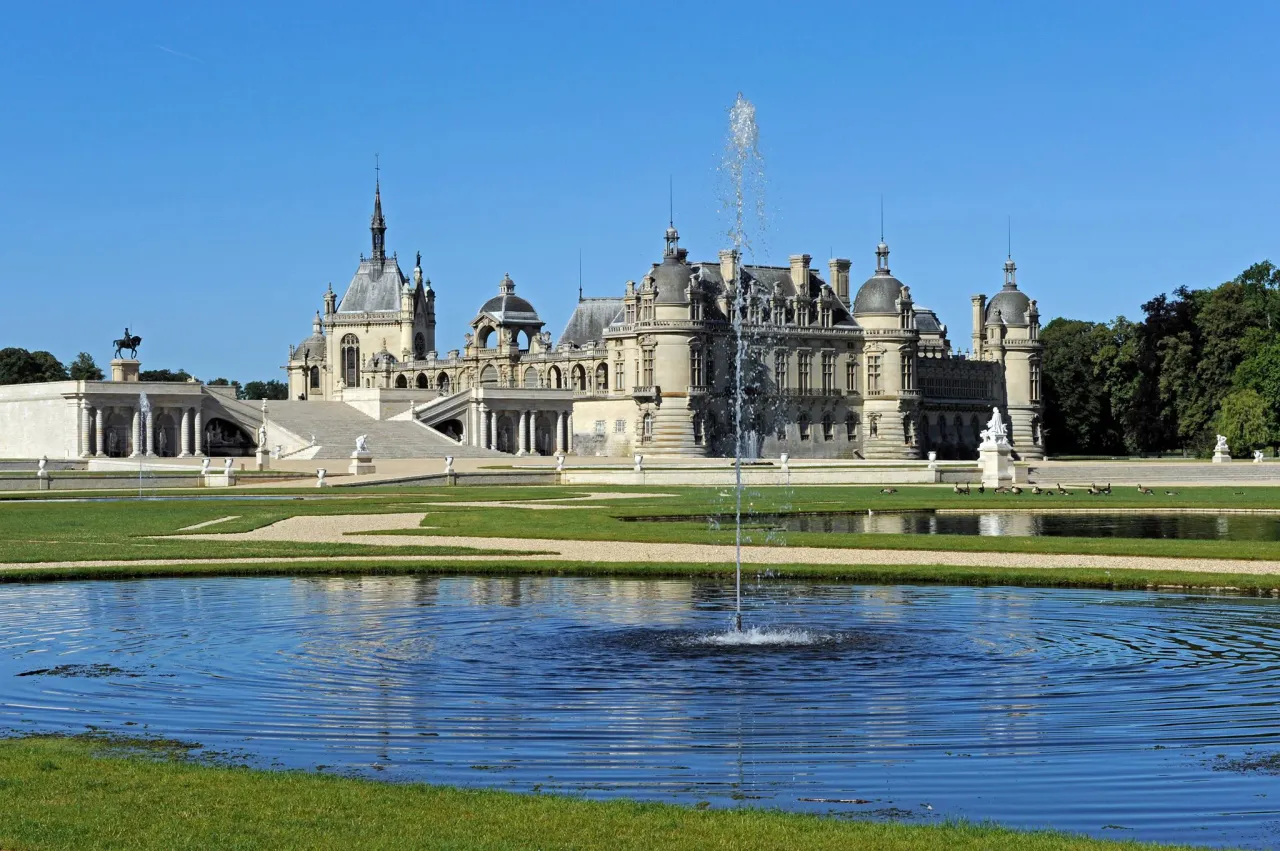 Château de Chantilly
- Maximum capacity
- No limit
- Starting budget
- €200,000+
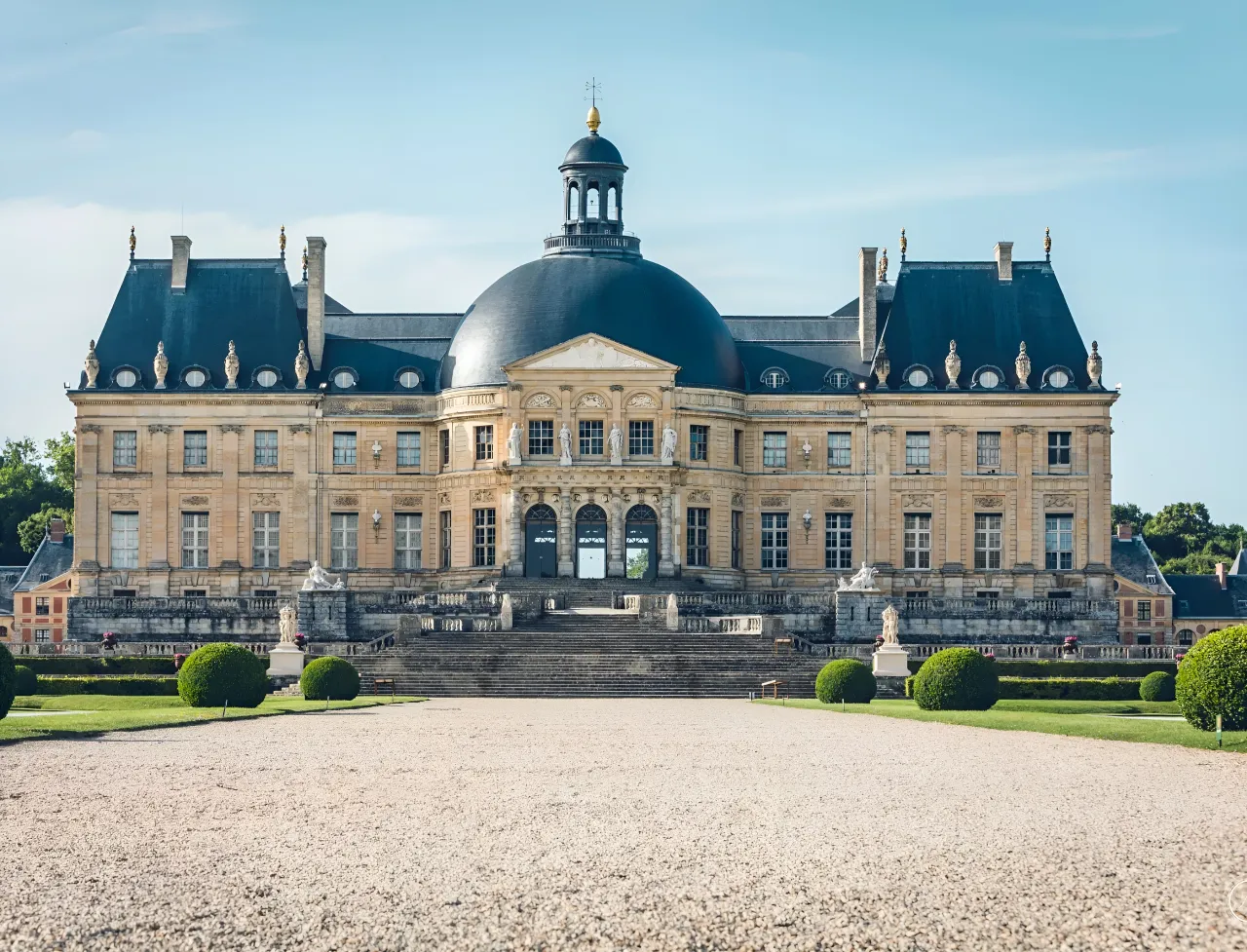 Château de Vaux-le-Vicomte
- Maximum capacity
- No limit
- Starting budget
- €500,000+
 Abbaye des Vaux-de-Cernay
- Maximum capacity
- 220 guests
- Starting budget
- €1,100,000+
 Château de Villette
- Maximum capacity
- 200 guests
- Starting budget
- €300,000+
 Château Bouffémont
- Maximum capacity
- 150 guests
- Starting budget
- €100,000+
 Château du Grand-Lucé
- Maximum capacity
- 100 guests
- Starting budget
- €200,000+
 Château de Vallery
- Maximum capacity
- 330 guests
- Starting budget
- €150,000+
 Château Challain
- Maximum capacity
- 100 guests
- Starting budget
- €150,000+
Château Weddings Beyond Paris: Provence, the Riviera and the Loire
Most of what is above sits inside an hour or so of Paris, in the belt of royal and princely estates that the court built along the Seine and the Oise. That belt has the grandest rooms in France and almost none of the beds. Grand-Lucé and Challain lie beyond it in the Loire, and Vallery in Burgundy.
South of there the arithmetic reverses.
Provence is where the private château wedding actually lives. The estates there are working wine and olive properties with rooms, kitchens and their own chapels, taken whole for three or four days, at guest counts between 80 and 200. Château de Tourreau, Château de Fonscolombe, Château d’Estoublon and the rest are on the Provence page, with what they seat, what they sleep and what they cost.
The French Riviera has its own châteaux and they behave differently again, because on that coast the château competes with the hotel and the villa rather than with the farmhouse. Château de la Croix des Gardes above Cannes, Château Saint-Martin at Vence and Château de Garibondy at Le Cannet are all on the French Riviera page.
The Loire has more châteaux than anywhere in France and we use fewer of them than the number suggests, because most are museums with a gift shop rather than places that can hold a wedding. Challain and Grand-Lucé above are the exceptions we return to.
The honest summary is that geography decides which of the three kinds you can have. Around Paris you get the rooms. In Provence and on the Riviera you get the estate and the beds. If you want both in the same place, Abbaye des Vaux-de-Cernay is close to the only answer, and it is an abbey.
Can You Legally Marry in a French Château?
No, and this is the question we answer more often than any other on this subject.
French law puts every civil marriage at the mairie of a commune where one of you has lived for 30 days before the banns are published. There is no exception for a private château, none for a state monument, and none for the chapel inside either. Versailles cannot marry you. Neither can a farmhouse.
What happens instead is straightforward and universal. Couples marry legally at home some weeks before, usually at a registry office in a morning, and hold a symbolic ceremony at the château that carries the whole weight of the day.
Several of these estates have a chapel, and a blessing in one carries no legal restriction at all. A Catholic ceremony is the one case with a further condition, because the church requires the completed civil marriage first and the parish will ask to see the certificate.
Planning a wedding at a château in France?
INQUIREMusic Curfew and Closing Times at French Châteaux
At a private château the rule is the same as anywhere in France: the prefectural arrêté of the département sets the frame, with a commune arrêté over the top where one exists. In the Loire, Challain keeps music outside to 1h, or down to 90 decibels, with no hour inside, and Grand-Lucé keeps it to 22h outside and 3h in its ballroom. Vaux-de-Cernay is in the Yvelines, where the arrêté requires venues to bring the noise down from 22h, while Vallery, in the Yonne, sets no limit at all on the hour or on the volume in its halls. In the Val-d’Oise, Château de Villette writes its own hours into the rental, music outside until 23h and the party on until 1h, and Château Bouffémont is the wedding’s until 4h.
At a monument the binding constraint is a different thing entirely, and it is the part couples are least prepared for.
Versailles, Fontainebleau, Chantilly and Vaux-le-Vicomte are open to the public. At most of them your evening begins when the last visitor has left, which in summer is late, and it ends at an hour the site sets rather than one a préfecture does: two in the morning in Chantilly’s galleries, one at Vaux. Load-in has a window, load-out has a window, and both are enforced by people whose job is the conservation of the building rather than the success of your party.
Practically, that shapes the whole day. There is no morning at the venue, no getting ready in the château, no long afternoon with guests wandering the grounds unless you have paid for a daytime slot as well. The wedding is an evening, it is a superb evening, and it is over at an hour agreed months earlier.
We build backwards from load-out, not from the last dance. On this kind of page that is the single most useful sentence we can write.
Getting Guests to a French Château
Six of the ten here are inside an hour of Paris, which makes this the easiest destination-wedding geography in France for international guests.
Paris Charles de Gaulle and Orly between them carry direct routes from almost everywhere, and Château Bouffémont is 25 minutes from CDG and Chantilly half an hour, both closer to the airport than to the city. Villette, Fontainebleau, Vaux-le-Vicomte and Vaux-de-Cernay are 45 minutes to an hour from central Paris by road.
The train does more work here than people expect. Fontainebleau-Avon is 40 minutes from Gare de Lyon, and Chantilly is 25 minutes from Gare du Nord, which means guests staying in Paris can reach either without a car. For a wedding where most people sleep in the city, publishing a train time rather than a coach schedule changes how many of them arrive relaxed.
Coaches are still the answer on the night. A monument has no rooms, the last train back is earlier than the party, and taxis do not come to Maincy at one in the morning. We run coaches at both ends for every monument wedding, and it is a fixed cost rather than an option.
Challain and Grand-Lucé, in the Loire, are further out, as is Vallery. Challain is four hours west of Paris, and Angers, the nearest city, is three quarters of an hour away and an hour and a half from Paris by TGV. Grand-Lucé is half an hour from Le Mans, which the TGV reaches from Paris Montparnasse in under an hour, and Vallery is an hour and a half south-east of Paris by road. For a buyout where the wedding party sleeps on site, the journey is made once.
Season and When Châteaux Open
The estates run April to October, like every other outdoor wedding in France.
The monuments run a longer year, and that is worth knowing. Their appeal is indoors, their rooms are heated and their gardens are a backdrop rather than the venue, so a February wedding at Fontainebleau or in the galleries at Chantilly is a real proposition in a way a February wedding in a Provençal courtyard is not. Winter dates are also easier to get and cheaper.
Availability is the real constraint at a monument rather than weather. Each of these sites runs a public programme, exhibitions, concerts and its own events, and releases a limited number of private evenings around it. Those go early and they are not evenly distributed through the year.
The available dates come before the room. It is the reverse of how couples approach every other kind of venue, and at Versailles or Vaux-le-Vicomte it is the only order that works.
Where Guests Stay
This divides exactly the way everything else on this page divides.
At the six properties with rooms it is solved, in part or in full. Abbaye des Vaux-de-Cernay sleeps a wedding of 150 across the estate, and Château de Vallery sleeps 60 and finds rooms for the rest in the villages around. Château Challain sleeps 50 and Château du Grand-Lucé 44, which is the wedding party and the closest family, with the rest in Angers or Le Mans. Château de Villette sleeps 29 and Château Bouffémont 25, and the rest of their guests stay in Paris, under an hour away.
At the four monuments nobody sleeps anywhere near the wedding, and the answer is Paris. That is less of a hardship than it sounds: guests get a city with unlimited rooms at every price, something to do on the Thursday and the Sunday, and a coach to the château on the Saturday. For most international guest lists that is a better weekend than a village with one hotel.
Fontainebleau and Chantilly both have towns with real hotel stock if you would rather keep everyone close. Maincy does not, so a Vaux-le-Vicomte wedding is a Paris-and-coaches wedding whether you planned it that way or not.
We hold the Paris blocks a year out, publish one guest page priced by tier, and run the coaches so nobody is working out the last train.
Magic Day Insights
Dates come before rooms. At a state monument availability is the binding constraint, not price and not capacity, and the released evenings go a long way ahead.
The hire figure is the smallest number in a monument wedding. Kitchen, furniture, lighting, sound, coaches and 150 hotel rooms sit outside it. We build the budget from the total, never from the tariff.
Load-out is a real time. It is in the contract, it is enforced, and the band finishing late costs money rather than goodwill. We design the evening backwards from it.
Nothing is fixed to a listed surface. No fixings, no adhesive, no rigging from anything historic, and often no naked flame. Every design for a monument is freestanding, and it costs more than one that is not.
Approved supplier lists are stricter here than anywhere. A historic monument’s caterer list exists to protect the building, and there is no arguing with it. We read it before anything is signed, because it decides the food.
A chapel on the estate is worth more than a lawn. French weather is not Provençal weather this far north, and a symbolic ceremony indoors in a building that was built for ceremonies photographs better than a marquee.
Château is not a protected word. Any house with a tower can use it, and plenty of listings do. What a house sleeps and what it seats tell you what you are actually looking at.
Common Questions
How much does a château wedding in France cost?
A château wedding in France runs €100,000 to €500,000 all-in for 40 guests, €150,000 to €1,500,000 for 80, and from €350,000 at 150. The venue hire is the least useful number in that sum, because nothing a wedding needs is in it. Realistically a wedding at Château Bouffémont lands near €150,000, at Château Challain or Château de Vallery near €250,000, at Chantilly near €300,000 in its galleries and €750,000 under a marquee, at Vaux-le-Vicomte near €1 million, and at Versailles near €1.5 million. Magic Day weddings at a château in France start from €100,000.
What are the best château wedding venues in France?
It depends which of three things you mean by château. Versailles, Fontainebleau, Chantilly and Vaux-le-Vicomte are monuments you hire for an evening or a day around their public programme, with no bedrooms at all. Abbaye des Vaux-de-Cernay is a château-hotel with 144 rooms 45 minutes from Paris, and Château du Grand-Lucé in the Loire one of 19, both taken whole. Château de Villette in the Vexin is a private house taken whole, with seven suites and dinner for 200 in its Glasshouse, and Château Bouffémont, 25 minutes from CDG, is taken whole for the wedding night, with nine rooms and dinner for 150. Château Challain in the Loire and Château de Vallery in Burgundy are buyouts, 21 bedrooms and 28, with the place to yourself. Provence and the French Riviera have their own châteaux and their own pages.
Can you get married in a castle in France?
Yes, though castle and château are not the same word, and the difference decides what you get. A château is a country house built to be looked at; a fortified castle is a château fort, and very few of those take weddings. If you want the towers and the ramparts, Château Challain in Anjou is neo-Gothic and built in the 1850s to look far older, and Château de la Napoule on the Riviera is a medieval ruin rebuilt between the wars. If you want the avenue and the formal garden, every venue on this page is one.
Can you legally get married in a French château?
No. French law puts every civil marriage at the mairie of a commune where one of you has lived for 30 days before the banns are published, and no château of any kind can hold the legal ceremony. That applies to Versailles and Vaux-le-Vicomte exactly as it applies to a farmhouse. Couples marry legally at home first and hold a symbolic ceremony at the château, which is what almost every château wedding in France is. Several of these estates have a chapel, and a blessing in one is unrestricted.
What time does music have to stop at a French château?
At the monuments the binding rule is the site's own, not the commune's. Versailles, Fontainebleau, Chantilly and Vaux-le-Vicomte are historic monuments open to the public, and each writes its hours into the contract, from six in the evening to two in the morning in Chantilly's galleries and from eight in the morning to one at Vaux-le-Vicomte, with load-in and load-out windows that are enforced rather than negotiated. The château-hotels are governed by the prefectural arrêté of their département in the usual way: the Yvelines requires venues to bring the noise down from 22h, and the Maine-et-Loire names no hour at all.
How many guests can you have at a château wedding in France?
Vaux-le-Vicomte and Chantilly have no limit at all: both take a marquee of any size in their grounds, beyond the 200 of Vaux's Grand Salon and the 160 of Chantilly's Galerie de Peinture. The Orangery at Versailles seats up to 1,000 and the Galerie des Cerfs at Fontainebleau 250. The privately held estates are mostly smaller: Château de Vallery seats 330 in its Music Room, the Abbaye des Vaux-de-Cernay 220 in the monks' refectory, Château de Villette 200 in its Glasshouse, Château Bouffémont 150 in its salons, and Château Challain and Château du Grand-Lucé 100 each. The rule of thumb is that capacity and bedrooms move in opposite directions here.
Do French châteaux have bedrooms for wedding guests?
The monuments have none. Versailles, Fontainebleau, Chantilly and Vaux-le-Vicomte are not hotels and never have been, so every guest sleeps elsewhere and travels. That is the single most consequential fact on this page and the one couples discover last. Abbaye des Vaux-de-Cernay has 144 rooms across the estate, Château de Vallery 28 sleeping 60, Château Challain 21 sleeping 50 and Château du Grand-Lucé 19 sleeping 44, so those four hold a wedding overnight in a way no monument can. Château de Villette sleeps the wedding party, 29 in all, as Château Bouffémont does with 25.
When can you get married at a French château?
April to October for the estates, which is when the gardens are worth having and the evenings hold. The monuments run a longer year because their rooms are heated and their appeal is indoors, so a winter wedding at Fontainebleau or Chantilly is a real option in a way a winter wedding in a Provençal courtyard is not. Availability at the monuments is the harder constraint: they hold a limited number of private evenings a year around their public programme.
Do you need a wedding planner for a château wedding in France?
At a monument, unavoidably. Versailles, Fontainebleau, Chantilly and Vaux-le-Vicomte hire you a space and a security and cleaning cost, and everything else, catering included, arrives with you and leaves the same night inside a fixed window. There is no kitchen waiting and no rooms to put anyone in. At a château-hotel the work is smaller and still real. Magic Day has run the Île-de-France châteaux from a team in Paris since 2008.
Planning a wedding at a château in France?
Thank you — we have it.
One of our planners will be in touch personally, usually within one working day.